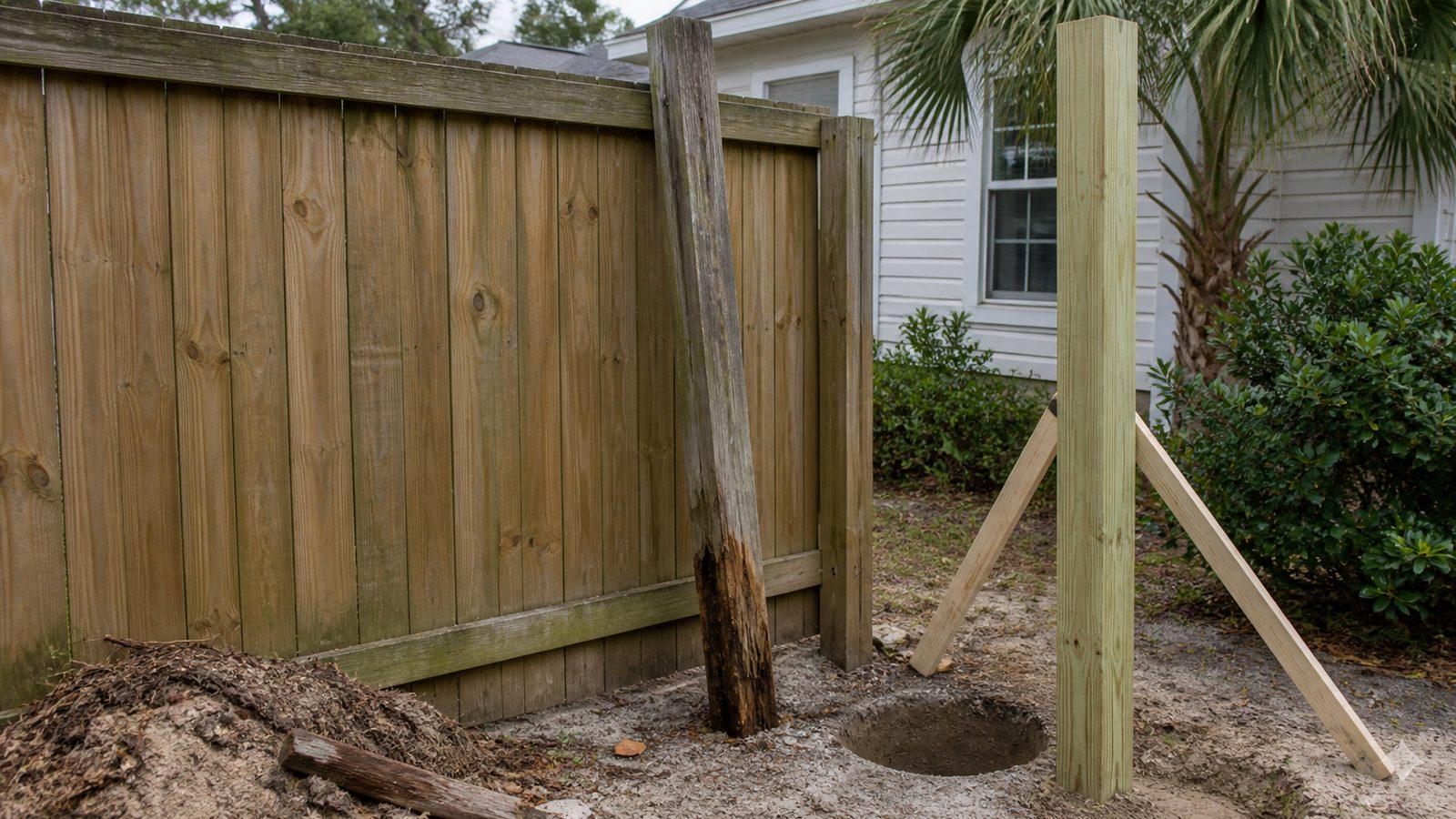
If you have found a wood fence post that wobbles when you push on it, or one with soft, spongy wood at the base, you are dealing with rot. It is a common repair for homeowners across Jacksonville. Between the humidity, the sandy soil, and the heavy rain we get from June through September, wood posts set in the ground here take a beating that posts in drier climates never see. Replacing a single post or a short run of posts is a project most homeowners can handle in a weekend with the right tools. This guide covers when you need a permit, what to buy, how to do the job correctly, and what it costs if you decide to hire it out instead.
When You Need a Permit in Jacksonville
The City of Jacksonville and Duval County operate under a consolidated government, and building permits for construction work run through the Development Services Division. In most cases, repairing or replacing a small number of existing posts in the same location, at the same fence height and with similar materials, is treated as routine maintenance and does not trigger a new permit. That changes if you are replacing the entire fence, changing the height, moving the fence line, or switching materials, which generally requires a permit application before you dig.
Permit rules and exemption thresholds get updated, so do not rely on secondhand information, including this article. Call the City of Jacksonville Building Inspection Division or check the current permitting portal before you start, especially if you are replacing more than two or three posts.
Two things apply no matter what. First, Florida law requires you to call 811 (Sunshine 811) at least two full business days before you dig, including for fence post holes. This is free, and it gets underground gas, electric, water, and cable lines marked, which matters in older Jacksonville neighborhoods where lines were not always installed at consistent depths.
Second, know your property line before you set a new post. If you are not sure where the line runs, pull your plat or survey through the Duval County Property Appraiser or your closing documents before you commit concrete. Setting a post a foot into a neighbor's yard is a headache nobody needs.
Tools and Materials
- Post hole digger or gas-powered auger for multiple posts
- Reciprocating saw or handsaw
- Pressure-treated wood post rated for ground contact
- Quick-setting concrete mix or gravel, depending on your soil
- 4-foot level
- Tape measure and string line
- Wood preservative or post protector sleeve
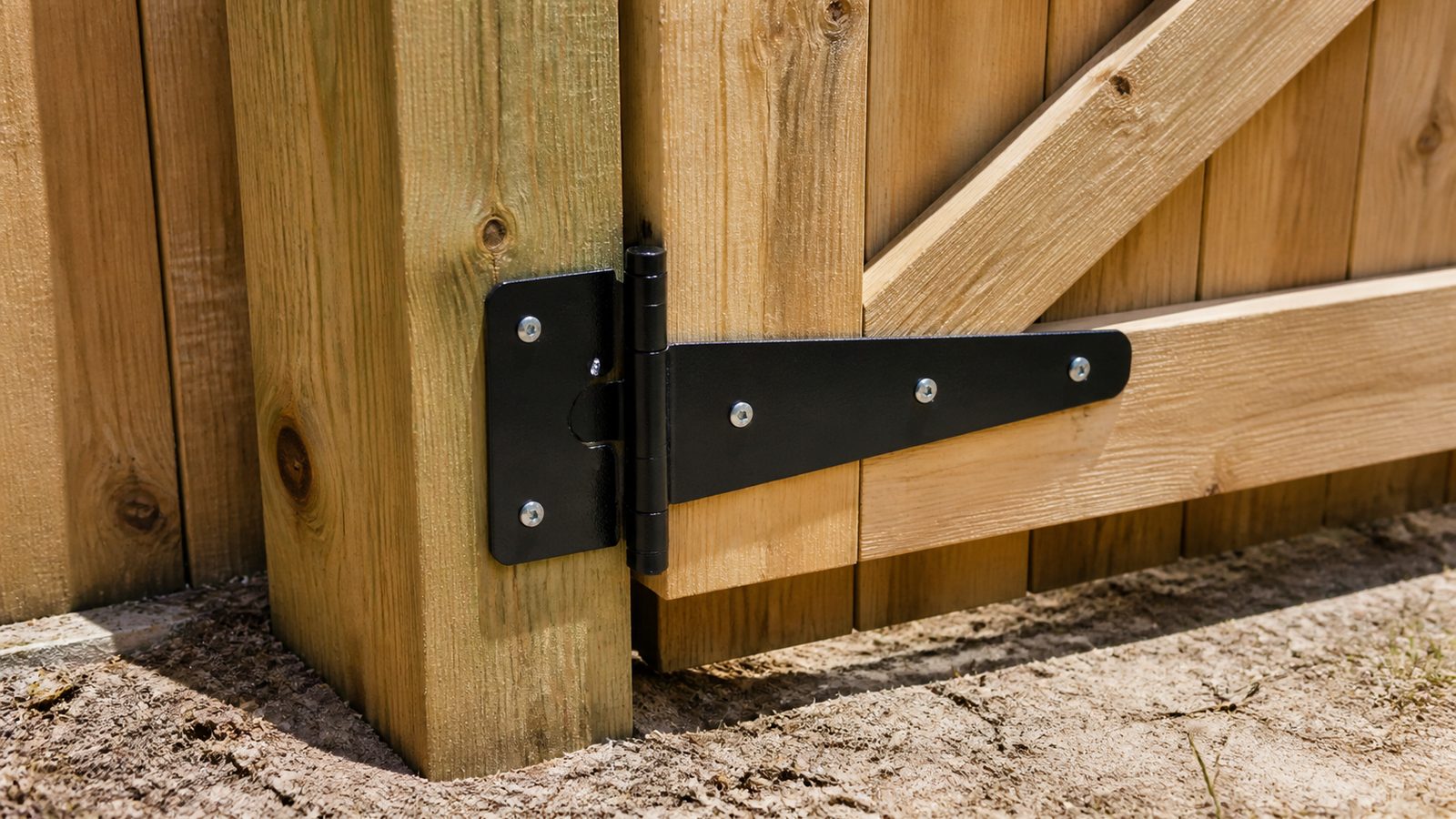
- Galvanized or stainless fasteners and post brackets
- Shovel and digging bar
- Work gloves and safety glasses
Step-by-Step
- Call 811 and wait for your locate confirmation before digging anything.
- Remove the fence panels or rails attached to the rotted post so you have clear access.
- Dig out the old post and footing. If it was set in concrete, break the footing apart or lift the whole plug out.
- Check hole depth and width. As a general rule, bury roughly one-third of the post length below grade, with room for 3 to 4 inches of concrete or compacted gravel on all sides.
- Add a few inches of gravel at the bottom of the hole for drainage. This step alone does more to prevent premature rot than almost anything else.
- Set the new pressure-treated post, rated for ground contact, and brace it plumb using scrap wood and a level, checked from two directions.
- Pour and set your concrete, or backfill with compacted gravel, following the product instructions for cure time.
- Let the post cure fully, typically 24 to 48 hours, before reattaching fence rails or panels.
- Reattach hardware, check the fence line for level and alignment, and touch up stain or sealant to match the rest of the fence.
Jacksonville Climate Considerations
Northeast Florida is hard on wood fences. Humidity stays high most of the year, which keeps posts damp longer after rain and accelerates rot at the soil line where moisture and oxygen meet. If you live near the river, the Intracoastal, or the beaches, salt air corrodes cheap fasteners faster than it will inland, so galvanized or stainless fasteners are worth the small upcharge.
Jacksonville also sits in a wind-borne debris region under the Florida Building Code, and fences take real wind load during tropical storms and hurricanes. A post set shallow, or backfilled loosely instead of with compacted gravel or concrete, is one of the first things to fail in a summer storm. Intense sun also degrades wood finish faster than in milder climates, so plan on resealing every couple of years.
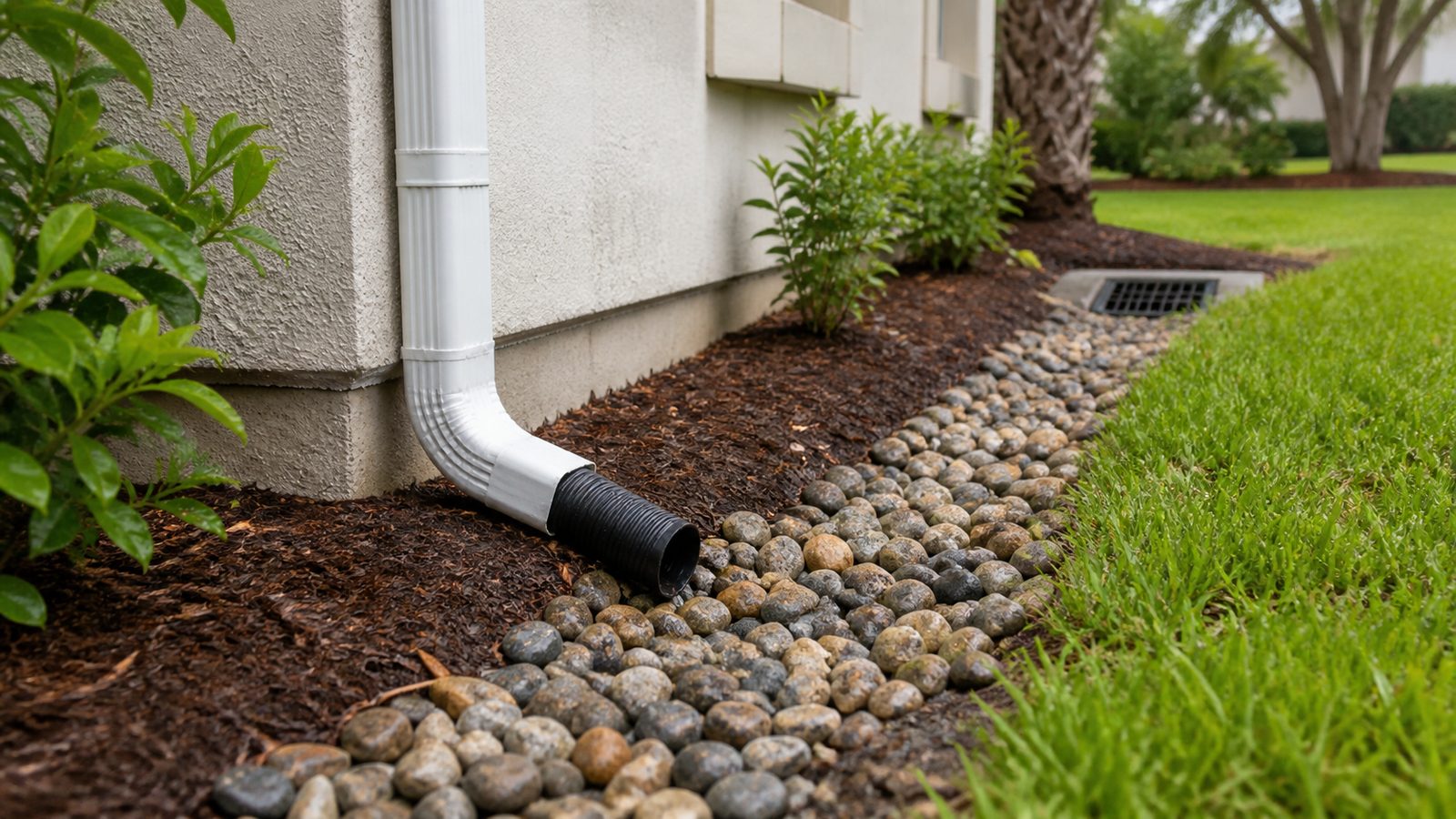
Jacksonville's soil and water table also vary by neighborhood. Much of the area is sandy and drains well, but low-lying yards and areas with a high water table hold moisture against buried wood longer, so gravel drainage at the base of the post matters even more there.
What It Costs in Jacksonville (DIY vs. Hiring a Pro)
| Scope | DIY Estimate | Professional Estimate |
|---|---|---|
| Single post replacement | $30 to $80 in materials | $150 to $350 |
| 2 to 4 posts | $80 to $250 in materials | $350 to $800 |
| Full section rebuild (posts, rails, pickets) | $200 to $600 in materials | $800 to $2,000+ |
These are general market-range estimates for the Jacksonville area and will vary based on wood species, fence height, access, and how much old concrete or root removal is involved. Get a written estimate before hiring anyone.
When to Call JK Prestige
If you are looking at more than a couple of rotted posts, a fence leaning across multiple sections, or you are unsure about property lines, permits, or the wind-load bracing your fence needs for hurricane season, bring in a licensed contractor. JK Prestige is a principal-led, self-performing general contractor based in Jacksonville, and we handle everything from a single post repair to a full fence rebuild under one fixed-price contract.
No call center. No coordinator. A JK principal reviews every inquiry and replies with a real number, not a range, not a follow-up form.
Request Free Estimate →