Jacksonville is in the Atlantic hurricane belt. The city has not taken a direct Category 3 or higher hit in recorded modern history, but the region gets brushed by storms regularly — and even a tropical storm with 60 mph winds exposes every weak point on a roof that wasn't maintained.
What separates a roof that comes through a storm intact from one that generates an insurance claim isn't luck. It's the work done before June 1.
JK Prestige performs roofing on commercial and residential projects across Jacksonville. GAF Master Elite certified. CRC licensed. This is what pre-season roof preparation looks like when it's done at the standard the insurance carriers expect.
Why Jacksonville Roofs Need Annual Pre-Season Attention
Jacksonville's climate accelerates roofing system degradation in ways the rest of the country doesn't experience:
- 300+ annual UV days bake asphalt shingles and degrade sealants faster than northern climates
- Humidity and afternoon rain events create conditions for mold and algae growth on north-facing roof surfaces
- Salt air from the Atlantic and St. Johns River affects exposed metal components: flashing, gutters, fasteners
- Temperature cycling — hot days, cooler nights — works sealants loose at penetrations over time
- High cumulative wind exposure from the annual tropical weather pattern
An annual inspection protocol that catches these degradation patterns before June means the difference between a roof that performs in a storm and one that fails at its oldest point of stress.
The Pre-Season Roof Inspection Protocol
What you're looking for:
Shingles and Surface Condition (Residential Asphalt)
- Missing shingles: any missing shingle is a direct water infiltration path
- Lifted or curled tabs: common on older asphalt shingles, indicates age and brittleness
- Granule loss: gutters full of asphalt granules means the shingles are shedding their UV protection layer
- Algae or moss: surface cleaning needed; ongoing biocide treatment if recurring
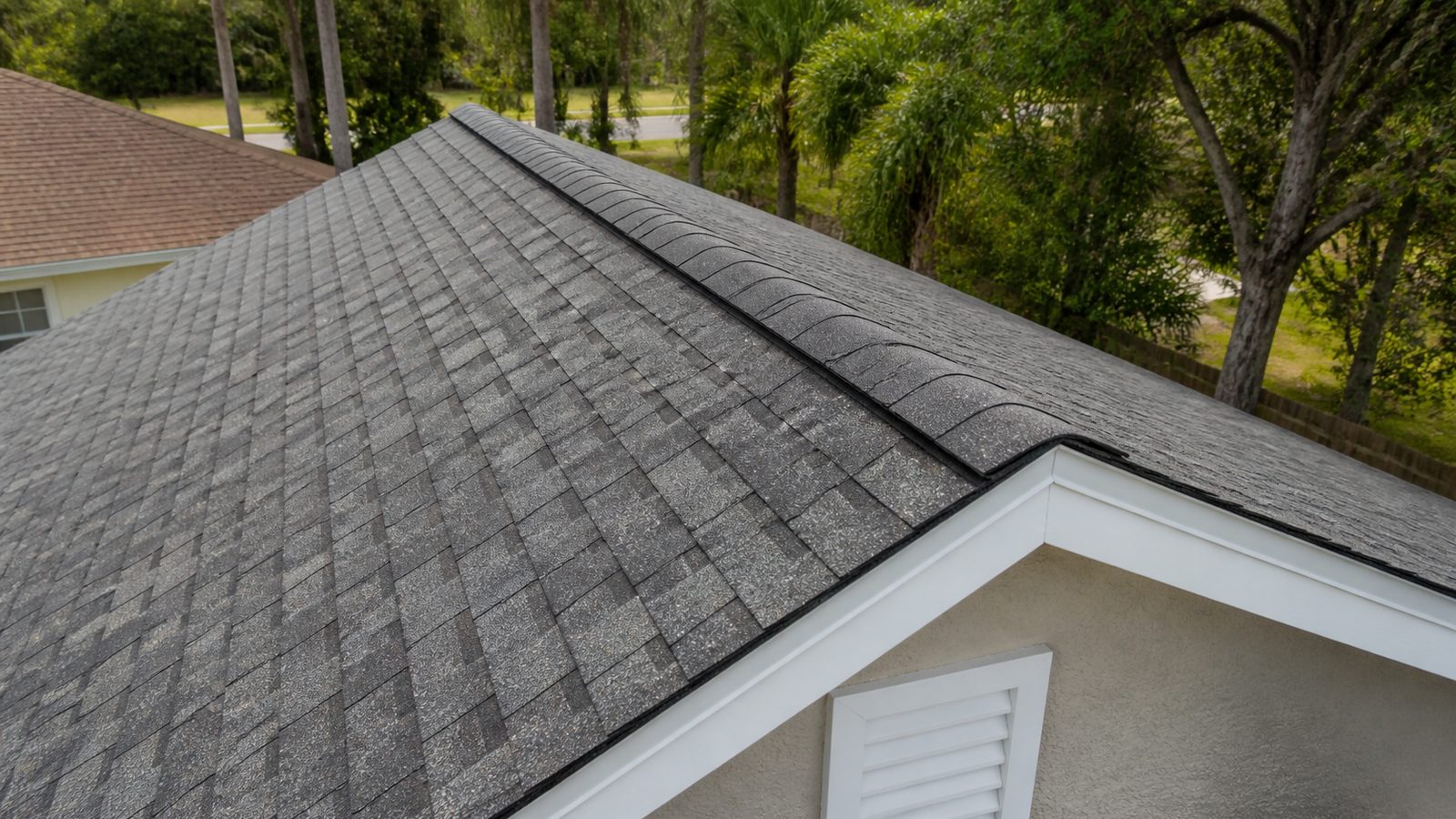
- Cracked ridge cap: ridge cap is the first material to fail; common on 10+ year roofs
Flashing Condition (All Roof Types)
Flashing is the most common failure point on Florida roofs in storm conditions. Check:
- Chimney flashing: step flashing and counter-flashing separation is the #1 source of interior water damage
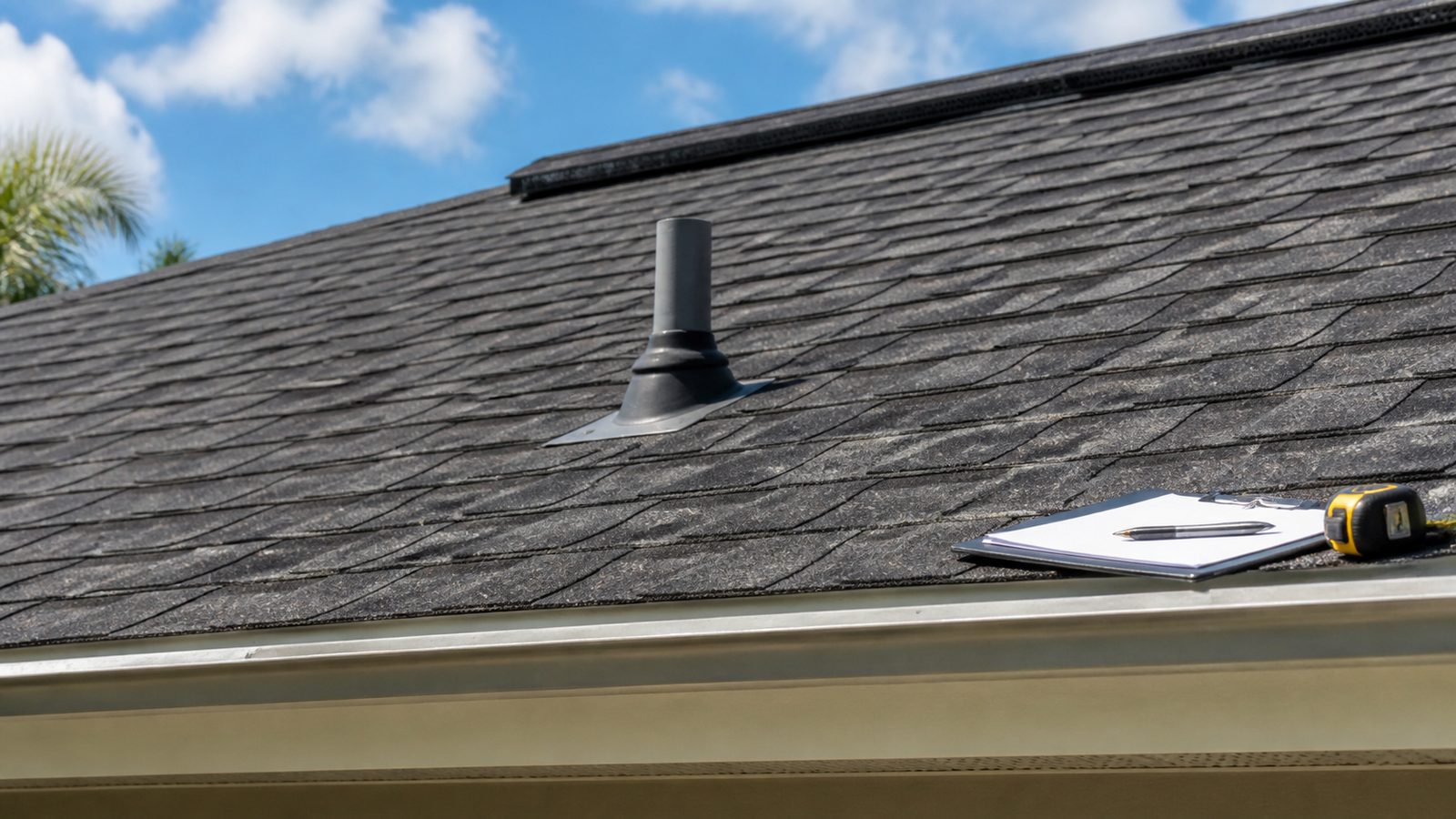
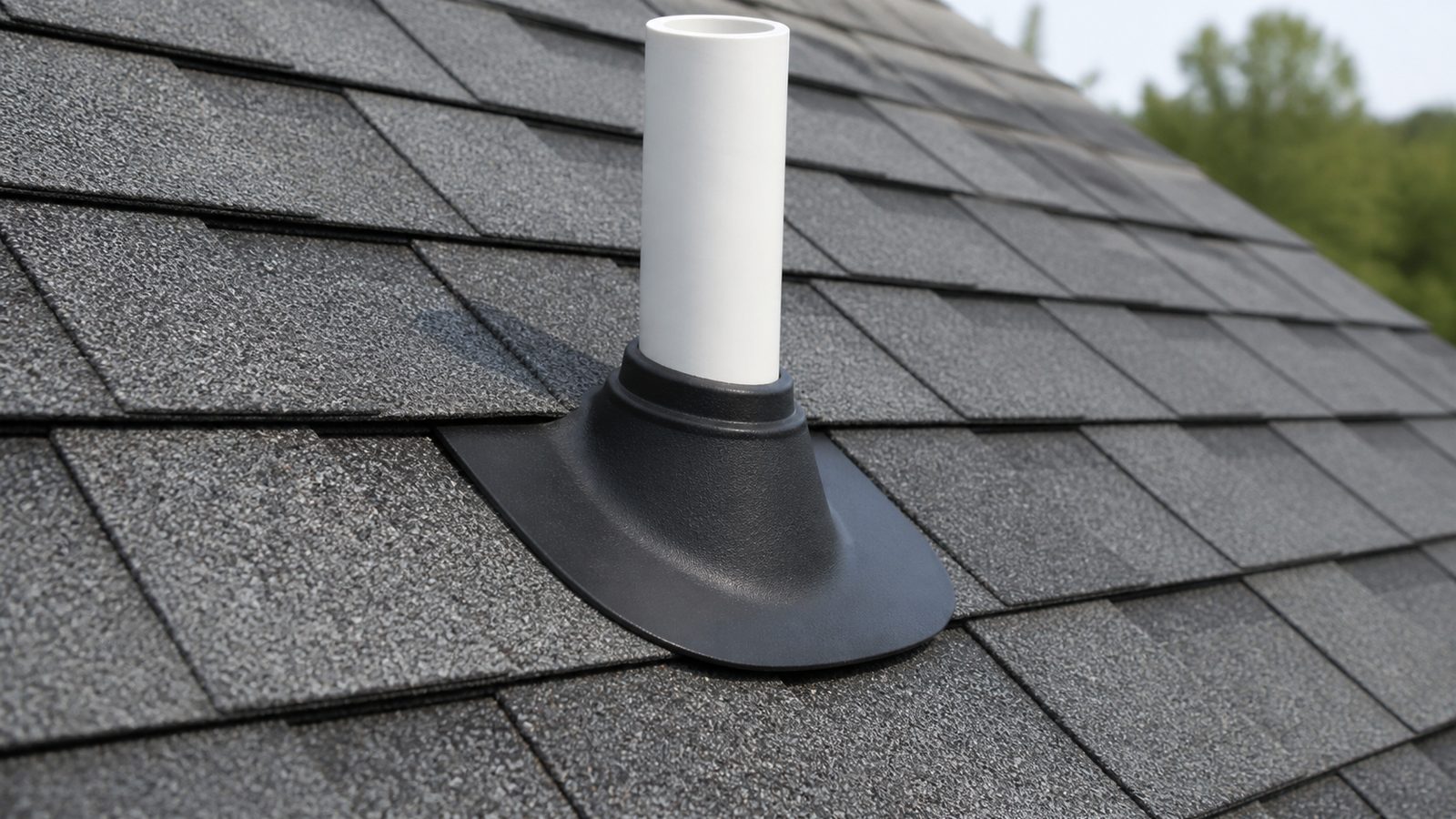
- Pipe boot flashings: rubber boots degrade; cracks around plumbing penetrations are active leak paths
- Valley flashing: closed or open valleys, check for lifted metal edges or deteriorated sealant
- Skylight curb flashing: especially at up-slope edge where water backs up
- HVAC curb flashing on flat roofs: the seam between the curb and membrane is a chronic leak point
Gutters and Drainage
- Clear all gutters and downspouts before June 1
- Check that gutters are properly pitched toward downspouts — standing water in gutters backs up under shingles at the fascia
- Downspout discharge: verify discharge is not pooling against the foundation
- Check gutter hangers: hurricane-force winds and water volume will strip inadequately attached gutters from the fascia
Attic and Soffit Ventilation
Proper attic ventilation prevents moisture buildup that accelerates sheathing rot and reduces the thermal stress on shingles from below. Before storm season:
- Verify that soffit vents are clear (bird nests, insulation blown against vents)
- Confirm ridge vent is functioning
- Check attic for signs of moisture: dark staining on rafters, attic insulation that has compressed or moved
Roof Deck and Sheathing
If you have attic access, inspect the underside of the roof deck for:
- Dark staining at seams (indicates past moisture infiltration)
- Soft spots (delaminated or rot-affected sheathing)
- Rust rings below nail penetrations (indicating galvanic reaction in older roofs)
Any soft sheathing section is a wind failure risk — roof failure under hurricane loads typically initiates at weak sheathing sections.
What Should Be Fixed Before June 1
Immediate action items:
- Any missing shingles — replace before storm season, not after
- Deteriorated pipe boots — $150 to $400 per boot; negligible cost relative to the leak damage they prevent
- Chimney flashing separation — re-bed and seal or re-flash; a separated chimney flashing can allow 20+ gallons of water per storm event into the attic
- Lifted flashing edges — mechanically fasten and seal
- Cracked ridge cap — replace; ridge cap holds the entire ridge line closed against wind-driven rain
Longer-horizon items:
- Roof older than 15 years with significant granule loss: full replacement is the correct call before the shingles start failing individually
- Gutters with multiple hanger failures: replacement rather than point repair
- Any evidence of soft sheathing: spot repair or full sheathing replacement depending on extent
Roof Replacement Before Storm Season: The Decision Framework
If your Jacksonville roof is within 3 to 5 years of expected end-of-life, replacing it before hurricane season is the right decision. The calculation:
- Risk of storm damage to an aging roof: potential 100% replacement cost + interior damage + deductible
- Cost of proactive replacement: fixed price, scheduled timeline, no emergency premium
Insurance carriers are increasingly denying claims on roofs older than 15 to 20 years in Florida — some policies have moved to ACV (actual cash value) rather than RCV (replacement cost value) for older roofs. A new roof changes your policy status.
JK Prestige provides 48-hour written estimates for residential roof replacement. Fixed price. GAF Master Elite certified — eligible for manufacturer warranty coverage up to 50 years.
What GC-Grade Preparation Includes That Basic Maintenance Doesn't
A homeowner cleaning gutters and eyeballing the roof from the ground is maintenance. A GC-grade pre-season inspection adds:
- Physical inspection of all flashings with hands-on feel for separation
- Attic inspection during the roof inspection
- Identification of soft sheathing before it becomes a storm failure
- Written inspection report with photos and prioritized action items
- Scope for any repairs found, with fixed-price repair quotes
If your roofer doesn't go in the attic as part of the pre-season inspection, the inspection is incomplete.
No call center. No coordinator. A JK principal reviews every inquiry and replies with a real number, not a range, not a follow-up form.
Request Free Estimate →