Mobilization speed is one of the hardest things to evaluate in a bid package. The price is right there in the number. License and insurance are on the certificate. But whether a framing sub can put eight carpenters on site five days after NTP — that's harder to verify until you actually need it.
At JK Prestige Constructor, we've built a set of pre-contract tests designed to surface mobilization capability before we sign. Here's how it works, and what it tells us about the trade partners we bring on.

Why Mobilization Speed Matters More Than Price
A framing sub who's 8% lower than the next bidder but takes three weeks to mobilize costs you more than the savings recovered. On a 90-day shell construction schedule, three weeks of framing float costs the project money and credibility with the owner.
Commercial construction schedules are interdependent. Framing drives MEP rough-in, which drives drywall, which drives finishes, which drives the CO date. A slow mobilizer doesn't just affect their own scope — they cascade into everything downstream.
At JK Prestige, we self-perform framing and drywall on most projects. When we bring in a specialty sub — mechanical, electrical, plumbing, fire sprinkler — mobilization speed is part of the scorecard from day one of the bid process.
The Bid Response Test
The first mobilization test happens before contract. We send a bid invitation with a specific response deadline — typically 72 hours for standard scopes, 48 hours for smaller packages. The deadline is real.
Subs who respond within 12 hours, ask two or three specific questions about the scope, and submit a well-organized bid package are demonstrating operational tempo. That's the same tempo we expect on-site.
Subs who respond on day four with a round number and no clarifications are telling us something. Not that they're bad subs — but that our job isn't at the top of their priority stack. For a project where we need them pulling permits on day one of NTP, that's a problem.
We note response time. We note the quality of the bid package — does it break out labor and material? Does it reference the drawing set by revision date? Does it call out exclusions clearly, or are there vague line items that will become change orders?
The bid response is a proxy for field performance. It's not perfect, but it's consistent.
The Reference Call Test
Once we have a qualified bid, we call two references — not the ones they gave us. We call the GCs we know in the Jacksonville market who have worked with this sub before.
The questions we care about most:
- "When they said they were mobilizing Monday, did they mobilize Monday?"
- "How did they handle a schedule slip — did they call you first or did you find out from a missed milestone?"
- "Would you put them on a project where the float was less than two weeks?"
GC-to-GC references in a mid-size market like Jacksonville are unfiltered. Everyone knows who the reliable subs are and who requires constant schedule pushing. A reference who says "great work, sometimes slow to start" is telling you everything you need.
The Pre-Contract Meeting Test
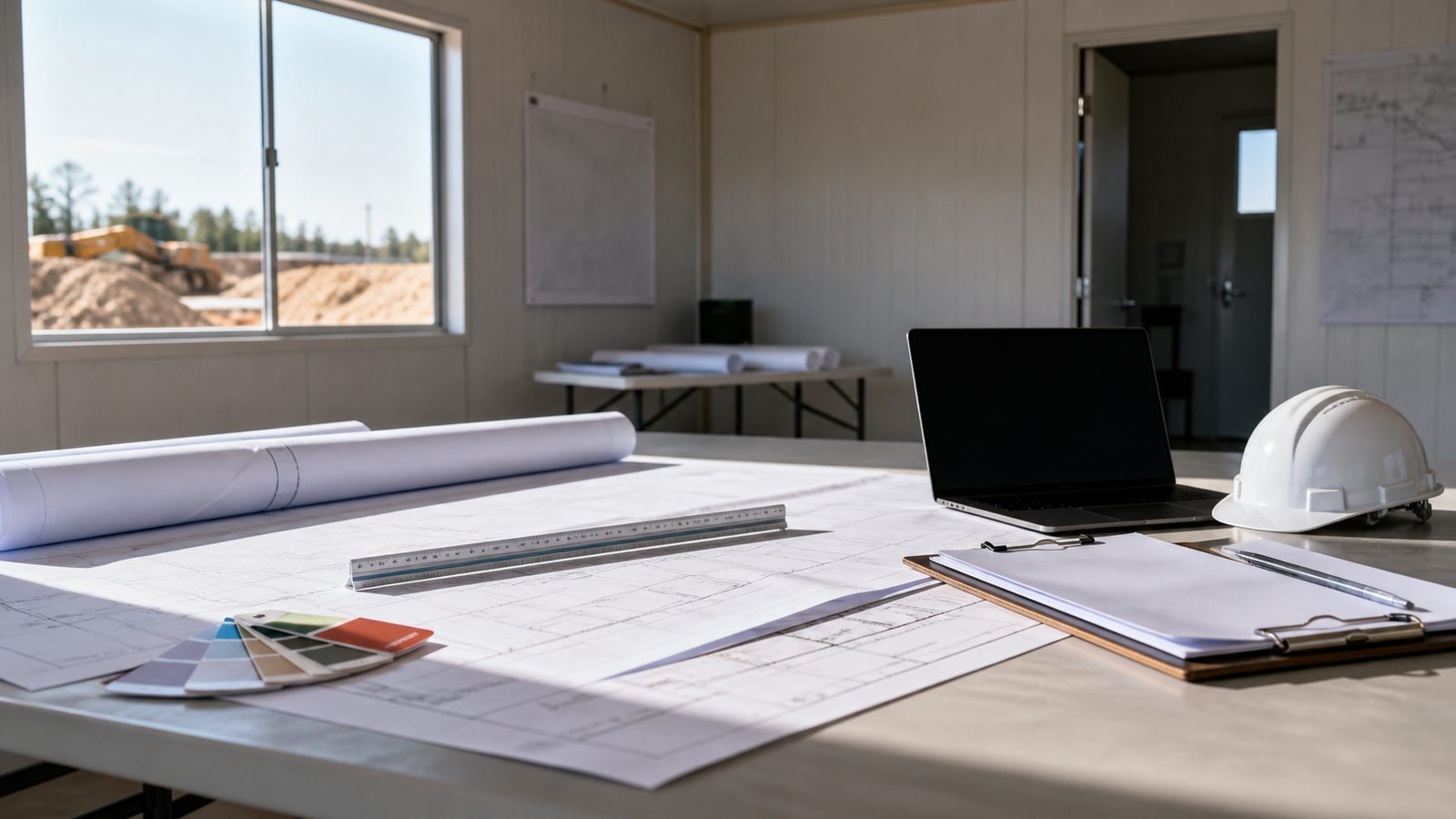
For any subcontract over $75,000, we hold a pre-contract kickoff before signing. We schedule it within five business days of intent to award and ask the sub to bring their field superintendent or foreman — not just the estimator.
We cover the schedule, the site logistics, the permit sequence, and the NTP conditions. Then we ask a direct question: "If we NTP on the 15th, when does your first crew arrive on-site?"
The answer tells us several things:
- Do they know their own crew availability?
- Are they being honest about a full backlog, or telling us what we want to hear?
- Does the field supervisor have a clear picture of the project, or are they hearing about it for the first time in this meeting?
A sub who says "we can start the 16th, but I need the full permit set by the 13th to pull it myself" is a sub who has thought about the job. A sub who says "yeah, we'll be there" without specifics requires a follow-up — which is a yellow flag on its own.
What Subs Get Wrong in Pre-Contract Meetings
The most common mistake is sending the estimator without the field lead. The estimator priced it. The field lead executes it. We need both perspectives in the same room before we sign.
The second mistake is overstating crew availability. Telling a GC "we can put six framers on day one" when your current backlog has all six on another site for two more weeks is a self-inflicted problem. We have 20 years of combined project delivery between JK principals. We've seen this before. Be straight with us about your current commitments and we'll structure the NTP accordingly.
The third mistake is not knowing the permit sequence. Florida construction permits — especially in Duval County — move on a specific timeline. Subs who have never pulled permits in Jacksonville and don't know that a foundation permit requires a soils report before approval are going to create delays they can't explain to an owner.
The First-Day-on-Site Test
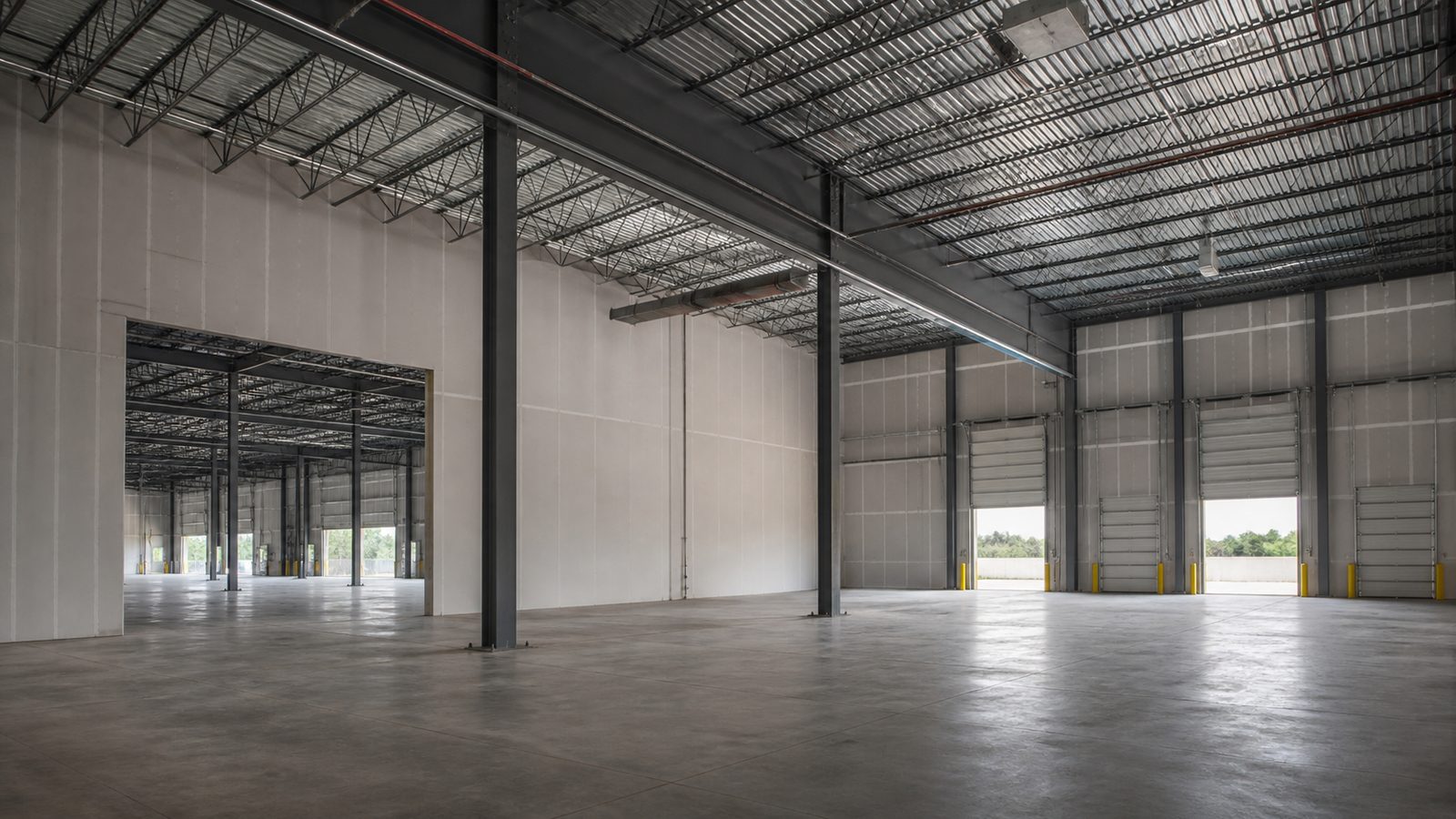
We treat the first day of mobilization as a test. Not adversarially — we want the sub to succeed. But we take notes.
Did they arrive when they said? Did they have the right crew count? Did the foreman know which drawing revision was current? Did they flag a conflict between the structural drawings and the mechanical plan before they framed past it?
A sub who spots a drawing conflict on day one and calls it in — that's a partner. A sub who frames past a conflict and leaves it for the inspector — that's a problem we'll pay for.
The notes from the first mobilization week go into our trade partner file. They inform future bid invitations, retainage release timing, and whether we recommend the sub to other GCs in our network.
What Strong Subs Do Differently
The trade partners who consistently get re-bid by JK Prestige share a few behaviors:
They treat the bid package like a field document. They mark it up, note the exclusions, ask specific questions. The bid they submit looks like it was priced by someone who's going to execute it — because it was.
They give honest availability windows. If they're finishing another job in Ponte Vedra and can't mobilize for three weeks, they say so up front. We'd rather plan around an honest three-week window than manage a missed mobilization date.
Their foreman reads drawings. Not just their own trade's sheets — the full set. A mechanical sub who reads the architectural plans spots ceiling height conflicts before they become RFIs. A framing sub who reads the MEP plans leaves the right chase spaces in the right places.
They communicate bad news fast. A sub who calls on Monday morning to say they're losing a crew to a schedule conflict on their other job is a partner. A sub who says nothing until Wednesday afternoon, when we find out from the project super, is a liability.
Trade Partner Qualification at JK Prestige
If you're a Florida trade sub interested in working with JK Prestige Constructor, our qualification process starts with a simple intake:
- Florida license in good standing (verify at myfloridalicense.com)
- COI meeting our minimums (GL $1M/$2M, WC statutory, auto $1M, umbrella $5M for large scopes)
- OSHA 30 for field supervisor
- EMR below 1.0 preferred
- Two verifiable GC references in the same trade scope and dollar range
From intake to first bid invitation is typically five business days. We move fast on our end because we expect the same on yours.
No call center. No coordinator. A JK principal reviews every inquiry and replies with a real number, not a range, not a follow-up form.
Request Free Estimate →