Occupied-site construction is the most legally exposed environment a GC operates in. The public is nearby. Egress routes are shared. Dust migrates into active spaces. A retail tenant stays open six feet from drywall installation. A hospital wing remains operational while a new room gets framed and drywalled.
In this environment, the safety record of a drywall subcontractor's supervision directly affects the GC's exposure — to OSHA citations, to worker injury claims, and to owner liability if a third party is injured during the project.
OSHA 30 supervision on a drywall crew is not a checkbox. It creates a paper trail that becomes the GC's first line of defense in an inspection or a claim.
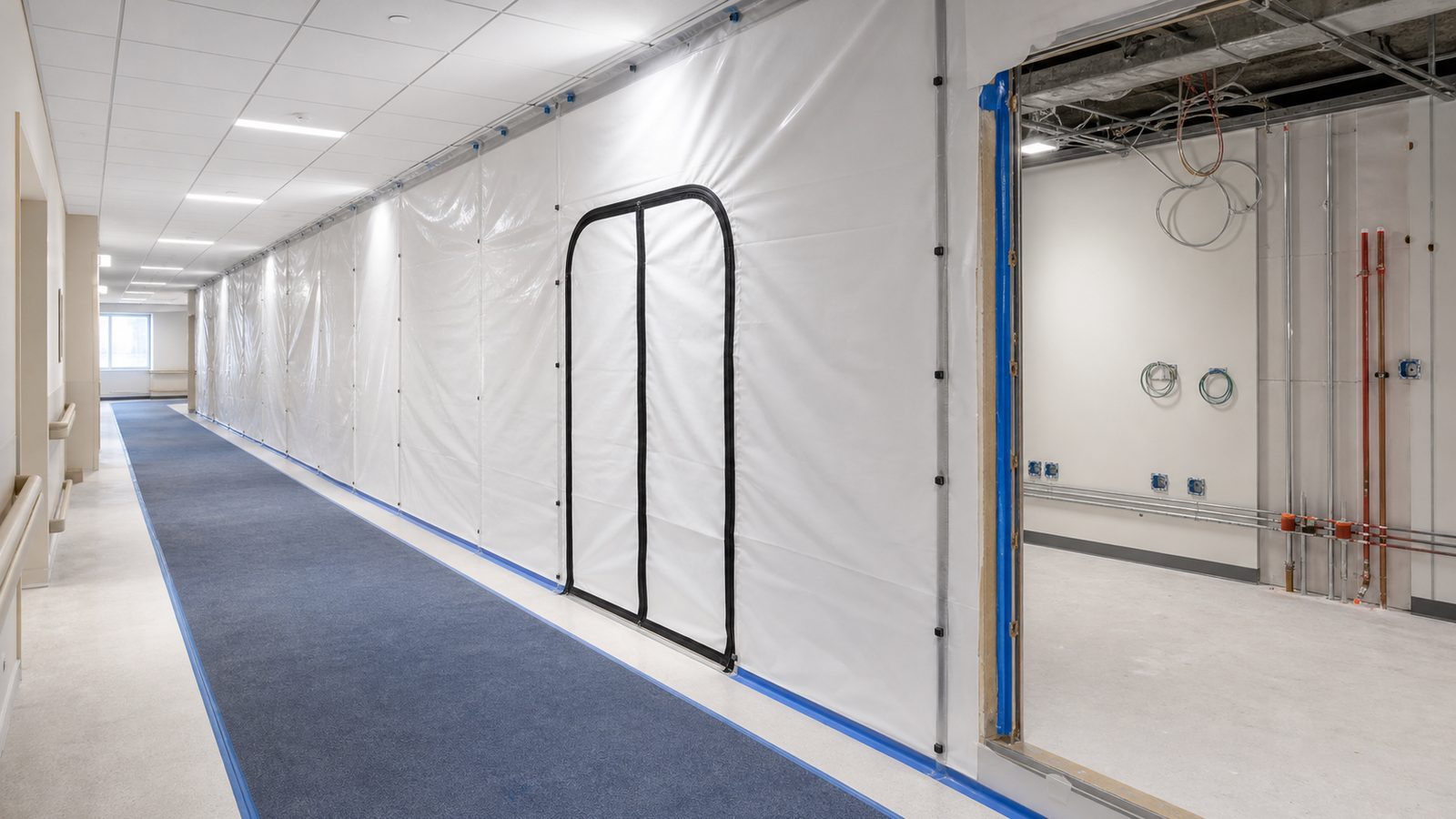
Why Occupied-Site Construction Is High-Risk for GCs
Public proximity to construction
When construction happens in an occupied building, the definition of the "controlled work zone" breaks down. Retail customers walk past a drywall crew installing panels in a partially open storefront. Hospital patients are wheeled through a corridor adjacent to a wall being framed. Office workers share a restroom with construction workers who have just been grinding joint compound.
Each of these situations creates exposure that doesn't exist on a closed site. If a retail customer is struck by a piece of drywall that fell off a lift, the GC is the first defendant — regardless of which sub's crew was running the lift.
Egress disruption
Occupied buildings require continuous egress compliance. ADA-accessible routes must remain clear. Emergency exits cannot be blocked. Temporary fire separations must be maintained. A drywall sub who blocks an egress route with material staging — even briefly — creates an OSHA 1926.502 violation, an ADA exposure, and a fire code issue simultaneously.
Dust and debris
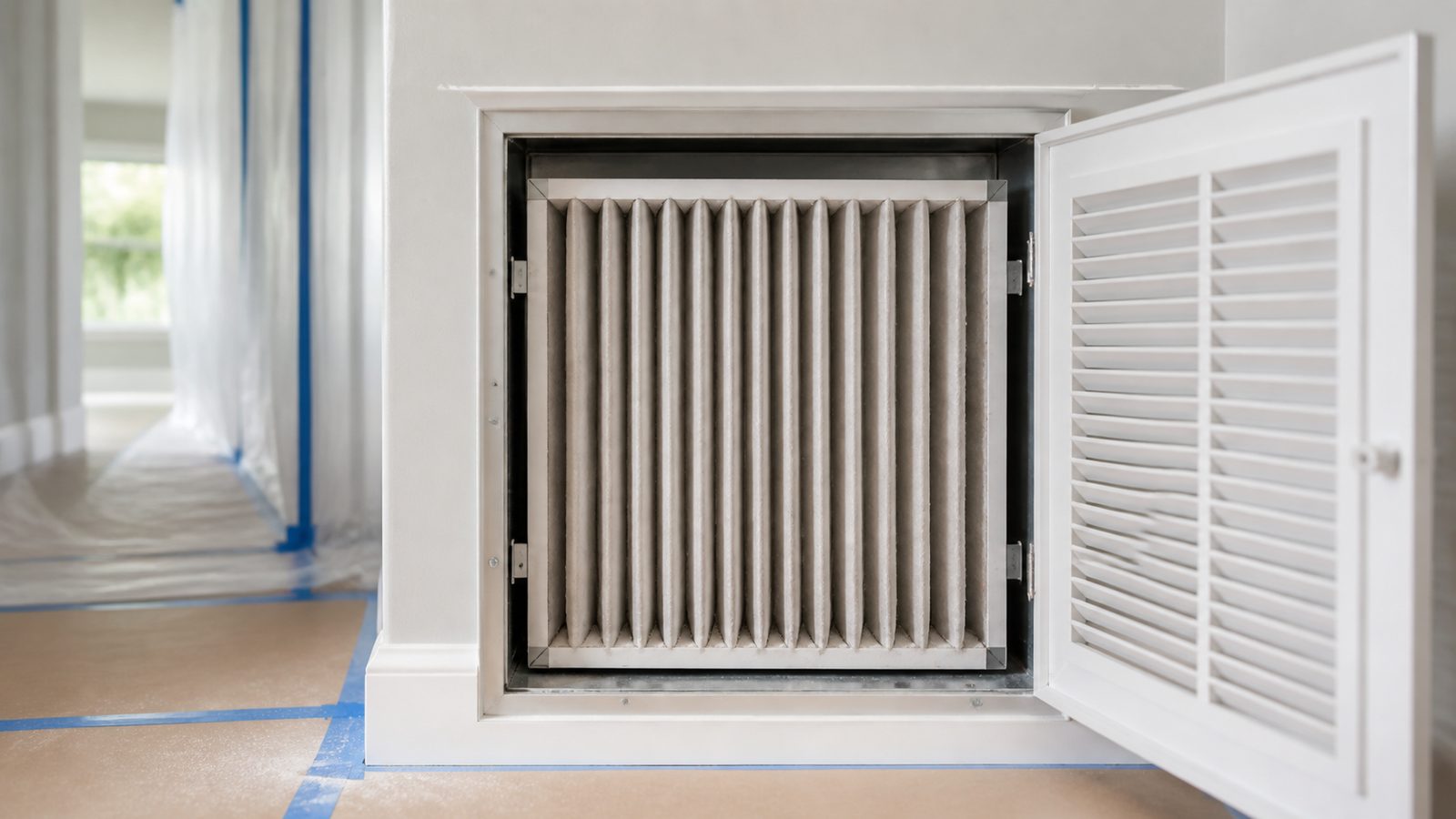
Drywall installation generates gypsum dust during cutting and joint compound during finishing. In an occupied building, that dust reaches HVAC intakes, migrates into adjacent occupied spaces, and settles on equipment and inventory. A drywall crew working without documented containment protocols in an occupied building is creating both a health exposure and a property damage claim.
What OSHA 30 Supervision Adds on a Drywall Crew
Competent person designation
OSHA regulations require a "competent person" on site for fall protection operations — scaffolding, aerial lifts, working at height. The competent person must be trained to recognize and correct fall hazards. OSHA 30 training covers fall protection specifically (OSHA 1926 Subpart M) and qualifies a supervisor to serve as the designated competent person.
A drywall crew running panels on a 14-foot ceiling off a scissor lift without a designated competent person present is in violation. If OSHA inspects and finds this, the citation goes to the GC as the controlling employer — not just the sub. An OSHA 30-certified supervisor on the drywall crew means there is a designated, trained competent person for fall protection on the crew at all times during lift operations.
Documented dust and debris containment protocols
Dust containment on an occupied-site drywall project is not intuitive. It requires temporary enclosures (poly barriers), HEPA filtration units in the work zone, negative air pressure in the work area relative to adjacent occupied spaces, and debris management plans that prevent gypsum dust from reaching HVAC returns.
An OSHA 30-certified supervisor knows how to document these controls. Before a drywall crew starts work in an occupied space, the competent person should produce a written Job Safety Analysis (JSA) that identifies: the occupied area proximity risk, the containment plan, the debris management plan, and the egress protection plan.
This JSA is not just a safety document. It's the paper trail that demonstrates the GC required and the sub produced a documented containment plan before work began.
Written JSA before any work near occupied areas
Every non-routine task near occupied areas requires a written JSA. "Non-routine" in this context includes: installing drywall panels on a scissor lift in a corridor with foot traffic, cutting drywall within 10 feet of a building HVAC intake, grinding joint compound in a space that shares ventilation with an occupied zone.
An OSHA 30-certified drywall supervisor is trained to identify when a JSA is required and how to write one. The JSA identifies the hazard, the people exposed, the control measures, and who has reviewed and signed off. For a GC managing a drywall sub on an occupied-site project, requiring a signed JSA before every task near occupied areas creates a documented chain of safety accountability.
How OSHA 30 Supervision Reduces GC Exposure
If OSHA inspects
When OSHA conducts an inspection — triggered by a complaint, a referral, or a planned emphasis program — the first thing the inspector asks for is documentation: safety meetings, JSAs, competent person designations, fall protection plans.
If the drywall sub's supervisor holds OSHA 30 certification and has a file of documented safety meetings, JSAs, and competent person designations, the GC can present this documentation immediately. It demonstrates that the GC required and verified a safety-compliant operation.
If the documentation doesn't exist, the GC is standing in front of an OSHA inspector with nothing to show. Citations under OSHA's multi-employer worksite policy can reach the GC as the controlling employer regardless of which sub's crew created the violation.
If a worker is injured
Worker injury claims on a construction site create immediate questions: Was the work area safe? Was the worker trained? Was there a fall protection plan? Was a JSA completed?
If a drywall crew worker is injured on a scissor lift on an occupied-site project, and the supervisor is OSHA 30 certified with documented JSAs and safety meetings covering lift operations, the GC can demonstrate that the drywall sub operated under a documented safety program. Without that documentation, the GC's exposure in a worker injury claim expands materially.
What to Require from a Drywall Sub on an Occupied-Site Project
Before a drywall sub mobilizes on any occupied-site project, require the following from their supervisory team:
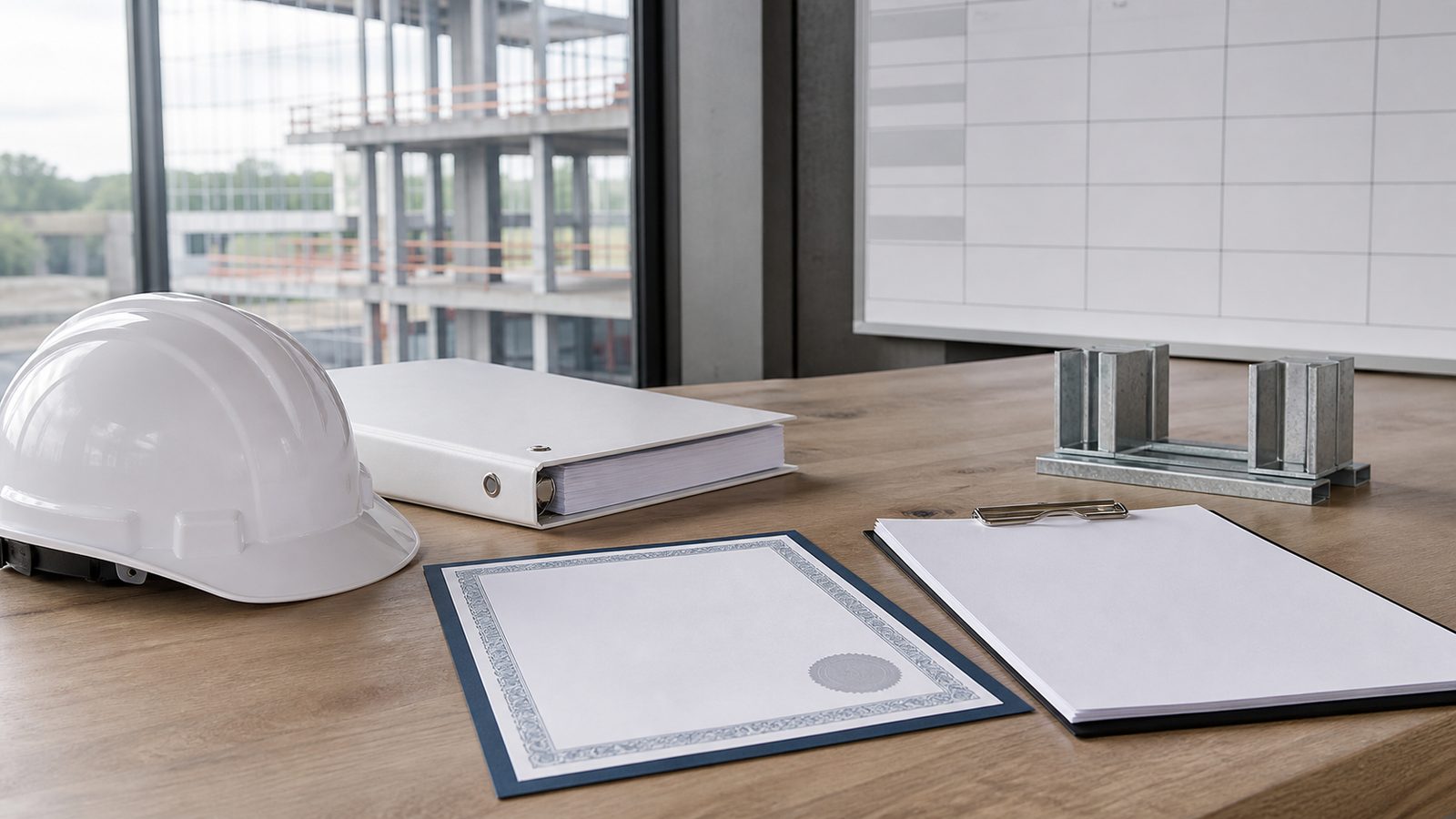
- OSHA 30 certificates for all supervisors who will be on site (name and date on the certificate)
- Written JSA protocol: confirm they produce JSAs before work near occupied areas, and ask to see a sample
- Documented containment plan: how will they contain dust and debris in the work zone
- Egress protection plan: specific plan for maintaining ADA egress and emergency exits during drywall operations
- Daily toolbox talk log: how safety meetings are documented (date, topic, attendees, supervisor signature)
JK Prestige's drywall crews carry OSHA 30 certifications for all supervisors. On occupied-site projects, our foremen produce written JSAs for every task near occupied areas, maintain documented containment protocols, and provide the GC with daily toolbox talk logs as part of standard project reporting.
Request our trade packet — OSHA 30 certificates, COI with additional insured coverage, and references from GC partners on completed occupied-site drywall projects.
See how JK structures safety programs on occupied-facility projects
No call center. No coordinator. A JK principal reviews every inquiry and replies with a real number, not a range, not a follow-up form.
Request Free Estimate →