GC project managers evaluate subs on three things: did they show up, did they stay on schedule, and did they stay on budget. Those three metrics determine who gets the next bid invitation. But they're incomplete. They miss the metric that most directly affects the GC's closeout experience, the owner's satisfaction, and the final payment schedule.
Punch-list performance.
A sub who is on schedule and under budget but closes with 40 open punch list items is not a reliable sub. They are a sub who front-loads their performance to win future work and back-loads their quality obligations because they know the GC will chase them — or just fix it themselves — rather than delay closeout.
This post explains what a clean punch-list handoff means, how to measure it in a reference call, and why it's the only metric that actually predicts whether a sub will perform through closeout — not just through rough-in.
What "Clean Handoff" Actually Means
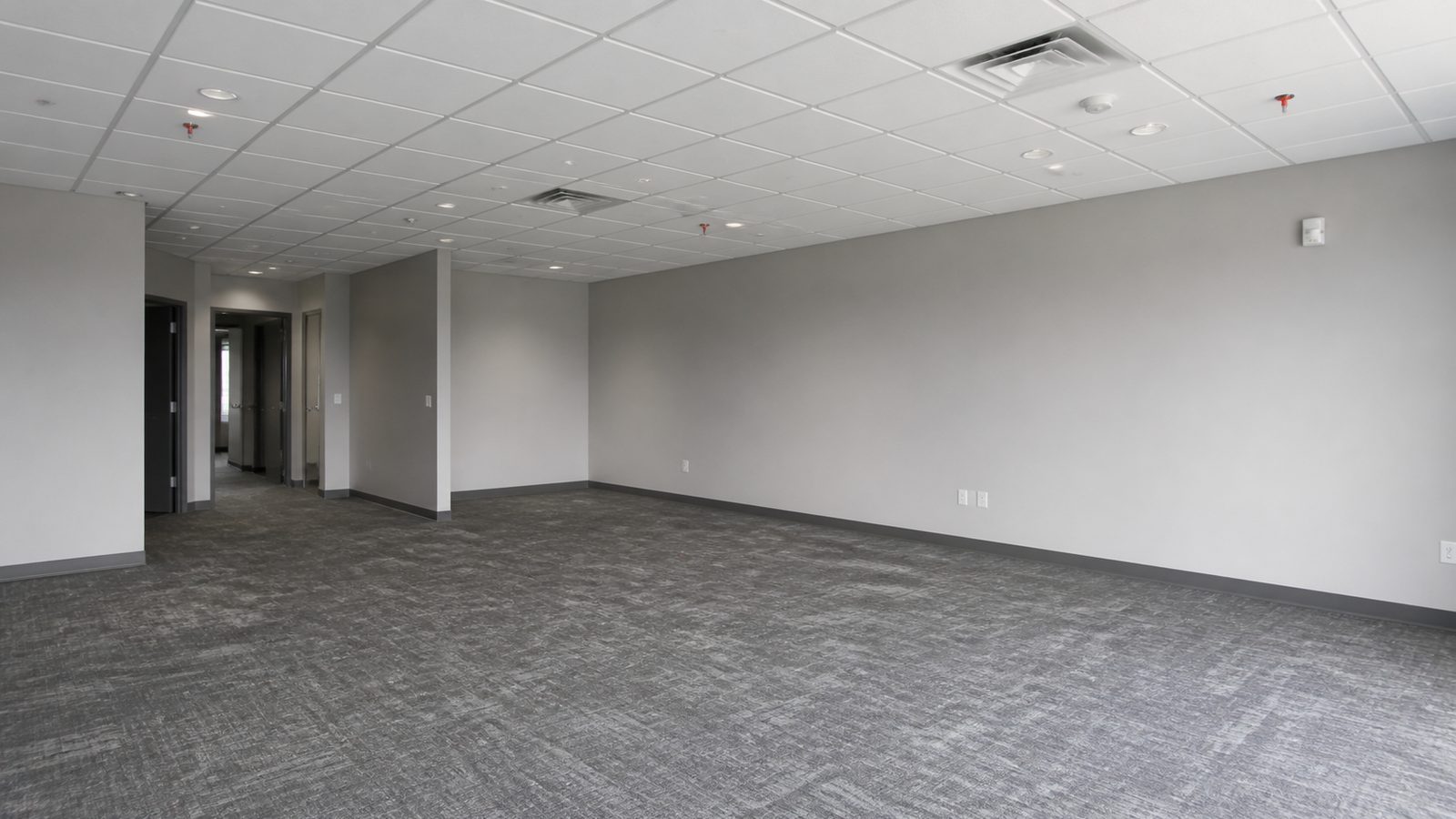
A clean handoff is not a zero-defect scope. Field construction has variance. A clean handoff is a scope that is:
Complete when the sub says it's complete. No hidden defects behind drywall. No deferred items in utility rooms or closets. No "we'll get to that section next week." When JK's drywall crew says the hang is done, the hang is done — every sheet, every room, every corner, including the mechanical room that nobody sees until the HVAC inspector shows up.
Inspectable without advance notice. A clean handoff means the GC superintendent can request an inspection at any point in the closeout sequence without the sub needing to do remediation work first. If a sub needs 48 hours' notice to "make it inspection-ready," the scope was not actually complete when they said it was.
Punch-listed on closeout day with a short, specific list. Some punch list items at scope completion are normal — this is construction, not manufacturing. A clean handoff has a punch list of 5–10 specific, minor items on the day the scope is called complete. A dirty handoff has 30–50 items, including issues that should have been caught during execution.
Resolved within the GC's closeout window. The construction management standard for punch list resolution is 30 days from final scope completion. A sub who resolves punch list items within 30 days without the GC chasing them is operating professionally. A sub who goes silent after calling the scope complete — and comes back only when the GC threatens to withhold final payment — is a closeout problem in progress.
Callback-responsive on warranty items. Post-occupancy warranty calls (typically within the first year) require a response from the sub. A sub who responds to warranty calls within 48 hours and resolves the defect within two weeks is maintaining the professional relationship that earns future work. A sub who disputes applicability, delays response, or never calls back is the most common source of GC-owner warranty disputes.
Why Punch-List Performance Gets Ignored in Sub Evaluation
GC project managers talk to other GC project managers about subs they've used — but the conversations happen in the middle of a project, when schedule and budget are top of mind, not at closeout. By the time the punch list conversation would be most informative, the next decision has already been made.
The evaluation cycle reinforces this. A sub performs well through rough-in (when they're motivated to mobilize and get paid), earns a reference call that focuses on "did they show up on time," and gets the next bid invitation. The closeout problems from the last project are remembered by the superintendent who lived them, not passed forward in a structured evaluation.
The fix is simple: ask the reference call question specifically about punch list. Not "how did they perform?" — that gets you a general answer. Ask: "What was their punch list item count on the day they called the scope complete?"
If the reference contact remembers the number — or says it was low — the sub closed clean. If the reference contact says "I don't remember" or deflects to schedule performance, press: "Did you have to chase them to resolve items after they called the work done?"
A reference contact who says "no" without hesitation is the only reference worth having.
What a Long Punch List Actually Costs the GC
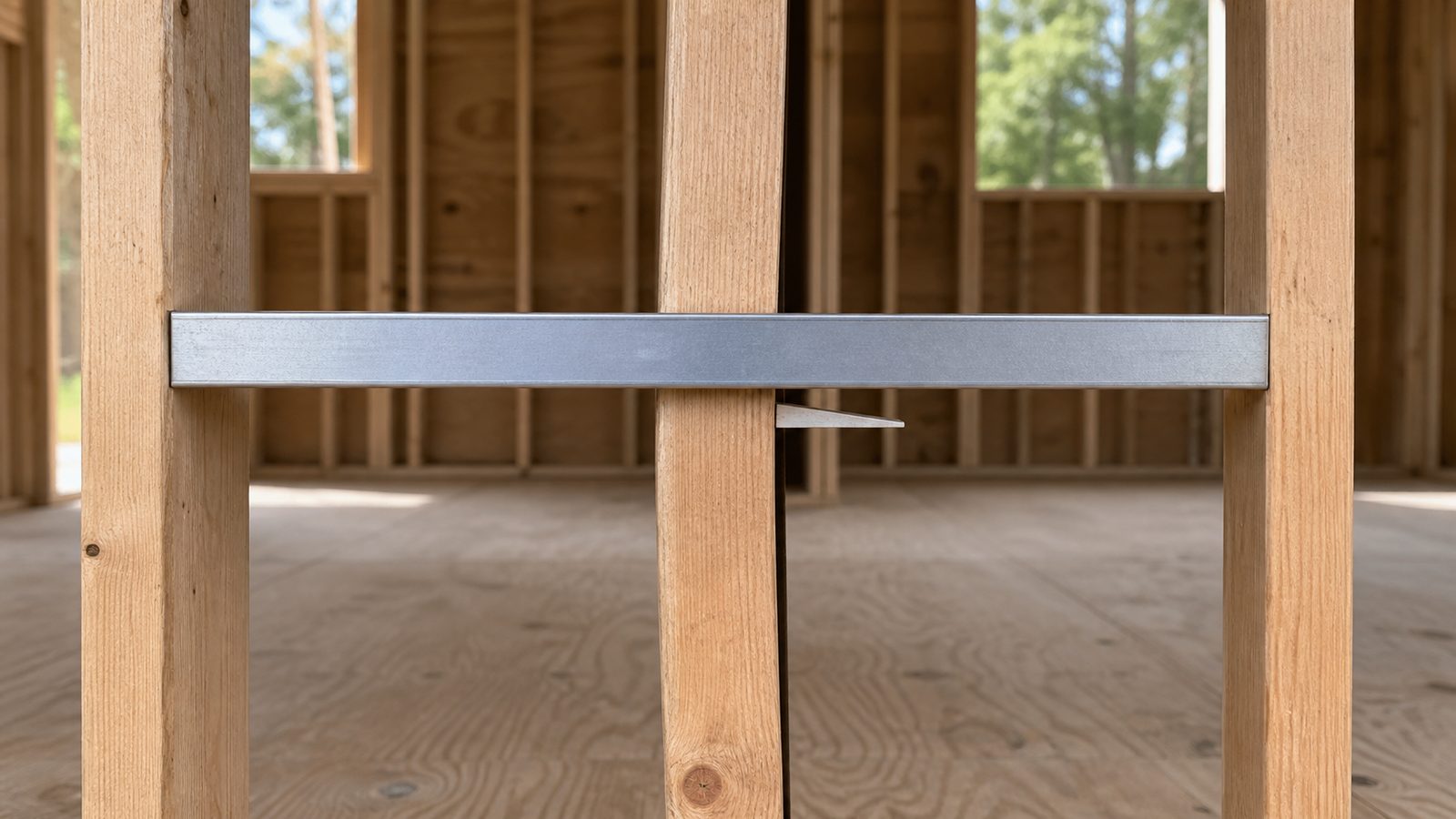
Every open punch list item at closeout has a cost. The cost is rarely tracked explicitly, so it's treated as a normal cost of doing business. It shouldn't be.
Direct cost: GC labor to identify, document, and track punch list items. On a commercial project with 80 open punch list items across multiple subs, the GC superintendent spends two to four hours per week tracking item status, making calls, and re-inspecting resolved items. Over a 30-day closeout window, that's eight to 16 hours of superintendent time — not budgeted, not billed to the sub.
Indirect cost: certificate of occupancy delay. A building inspector who sees a scope that is not complete — missing covers, unsealed penetrations, unfinished trim — will not sign off on a final inspection. A punch list that was supposed to be closed before the CO inspection but isn't creates a reinspection delay of days to weeks in Jacksonville's current inspection scheduling queue.
Relationship cost: owner satisfaction at occupancy. The owner's first impression of the completed building is their occupancy walkthrough. An occupancy walkthrough with visible punch list items — scuffed paint, a cabinet that won't close, a light fixture that's not level — creates a negative first impression that the GC owns, regardless of which sub caused each item.
Payment cost: retainage tied to punch list completion. Most commercial contracts hold 5–10% retainage until final completion. If the sub's punch list resolution drags into month two or three, the GC's retainage release to the sub is delayed — and the owner's retainage release to the GC is delayed. Cash flow impact flows up the chain from one slow sub.
How to Ask the Right Questions in a Reference Call
The reference call structure that surfaces real punch list performance:
- "On the day [sub name] called their scope complete, approximately how many punch list items did you have from their scope?"
— This is the anchor question. A number under 10 is clean. A number over 20 is a problem history.
- "Were those items resolved within 30 days without you having to make follow-up calls?"
— This distinguishes between subs who have a short list and resolve it promptly versus subs who have a short list but still require chasing.
- "Did [sub name] respond to any warranty callbacks in the 12 months after completion?"
— This tells you whether the relationship holds after the final payment clears.
- "Would you use them on a project with a hard CO date and owner-visible finishes?"
— This forces the reference contact to evaluate the sub's reliability where the stakes are highest.
A reference contact who answers all four questions positively without qualification is a strong reference. A reference contact who qualifies any of the four answers — "mostly yes, but there was that one time..." — is giving you information, not endorsing the sub.

How JK's Clean Handoff Standard Works in Practice
JK Prestige's framing and drywall crews operate against a written scope sheet signed before mobilization. Every element in the scope sheet has a completion definition — not "framing done" but "all partitions in sections A through C framed, blocked, and inspectable per partition schedule, sheet A-201 and A-202."
When JK's superintendent calls a scope complete, it means every item on the scope sheet is complete. The GC superintendent can walk any section within the scope without advance notice. Punch list items at scope completion are specific and minor — missing one fastener in a corner, a ceiling tile that needs replacement — not systemic issues.
JK resolves punch list items within 14 days of the closeout inspection, not 30. This is a standard we hold ourselves to because a GC partner's project schedule doesn't stop at day 14 waiting for a sub's punch list.
Warranty calls from GC partners are answered by a JK principal — not a voicemail, not a call center. The same accountability that governs the JK Way as a GC applies when JK works as a framing or drywall sub for GC partners.
Request JK's trade packet and GC references — contact JK Prestige. Ask the references specifically about punch list item count on closeout day. That's the number that matters.
Request our trade packet, licensing, insurance certs, and references, contact JK Prestige. Call (904) 944-0278. A principal answers.
No call center. No coordinator. A JK principal reviews every inquiry and replies with a real number, not a range, not a follow-up form.
Request Free Estimate →