Change orders are the most common reason a renovation budget doubles. They're also largely preventable. Most homeowners assume change orders are an unavoidable feature of construction — something to expect and absorb. They're not. They're the product of four specific process failures that happen before ground breaks. A gut renovation contractor with no change orders doesn't get lucky. They do the pre-construction work that eliminates the variables before the price is set.
This post breaks down the four root causes of renovation change orders and explains how JK Prestige's fixed-price process addresses each one — before a contract is ever signed.
The Four Root Causes of Renovation Change Orders
Root Cause 1: Scope Was Not Defined Before Signing
The most common cause of change orders is a contract that doesn't describe the work in enough detail. A GC (general contractor) who signs a contract that says "kitchen renovation including demo, framing, MEP (Mechanical, Electrical, and Plumbing), finishes" has given themselves unlimited room to charge more later.
Every question that isn't answered in the contract becomes a future change order. How many outlets? Which brand of cabinet? Does "demo" include the load-bearing wall, or just the island? Vague scope language is not an oversight — it's a business model.
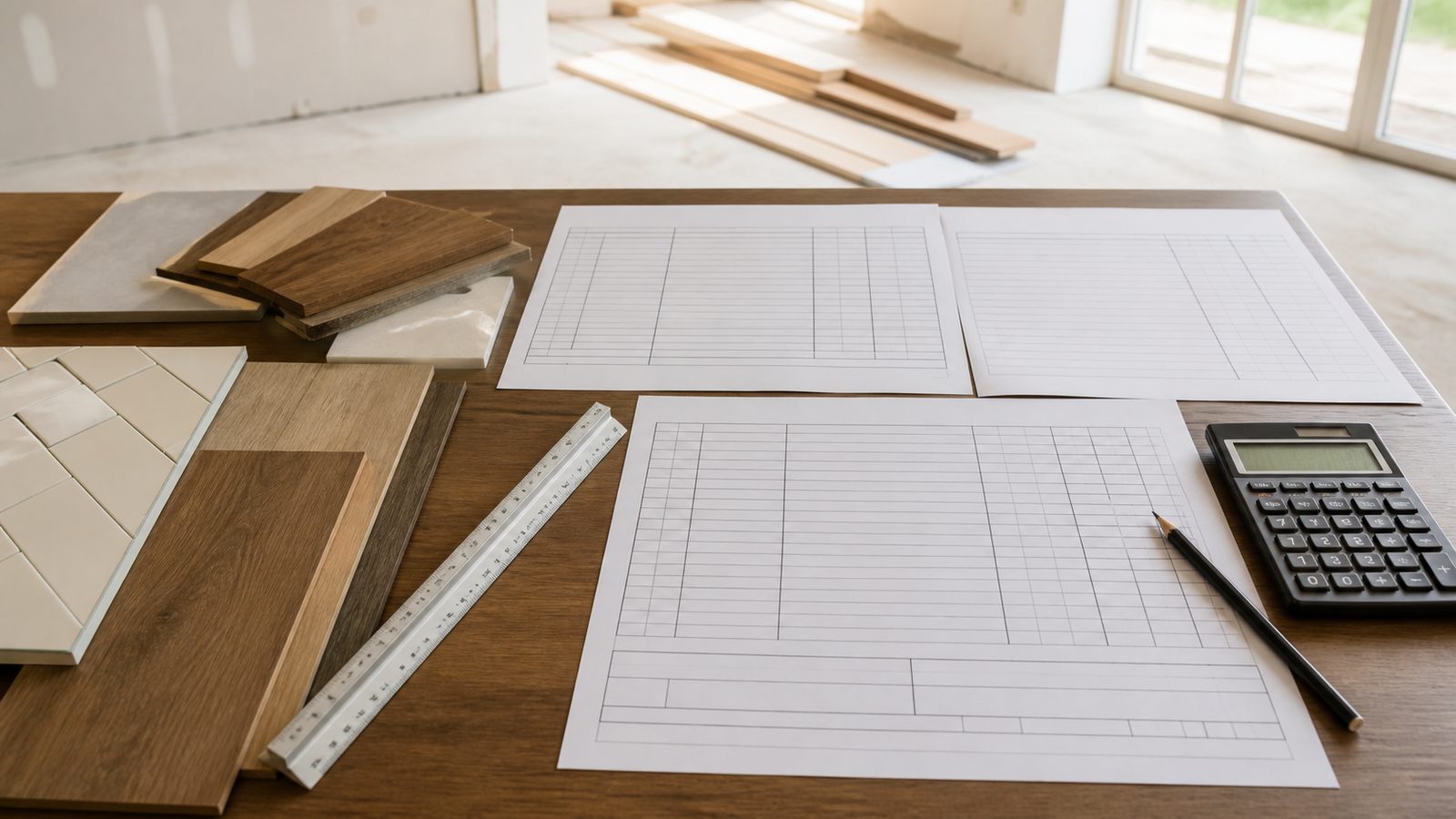
JK Prestige produces a full scope document before any contract is signed. The document is line-itemed by trade: demolition, framing, electrical, plumbing, drywall, tile, millwork, paint, and fixtures. Every selection that affects cost is identified. Every assumption is stated. If a scope document isn't included with your contract, the price in that contract is a placeholder.
Root Cause 2: Allowances Set Below Real Cost
Allowances are the second most common change-order mechanism — and the most deceptive. An allowance is a dollar figure the GC puts in the contract for materials you haven't selected yet: tile, fixtures, hardware, appliances, flooring. If the allowance is $3 per square foot for flooring and you select a tile that costs $8 per square foot, the $5 delta is a change order.
Many GCs set allowances low deliberately. A low allowance keeps the bid number down. The change orders come later, once you're committed to the project and the demo is already done.
JK Prestige requires selections to be made before the price is locked. Flooring, tile, fixtures, cabinet line — all of it is identified and priced during pre-construction. If you haven't selected a product, we use the actual installed cost of a product in the range you've described. There are no $3/sqft allowances when the homeowner is looking at $8 tile. That gap doesn't appear as a surprise mid-project.
Root Cause 3: Conditions Differed From Assumptions
A renovation involves demolishing something before you can build it. Until the walls are open, there are things no one can see: plumbing routes, electrical panels, framing conditions, moisture damage. Some GCs price the job on assumed conditions, then issue change orders when reality differs.
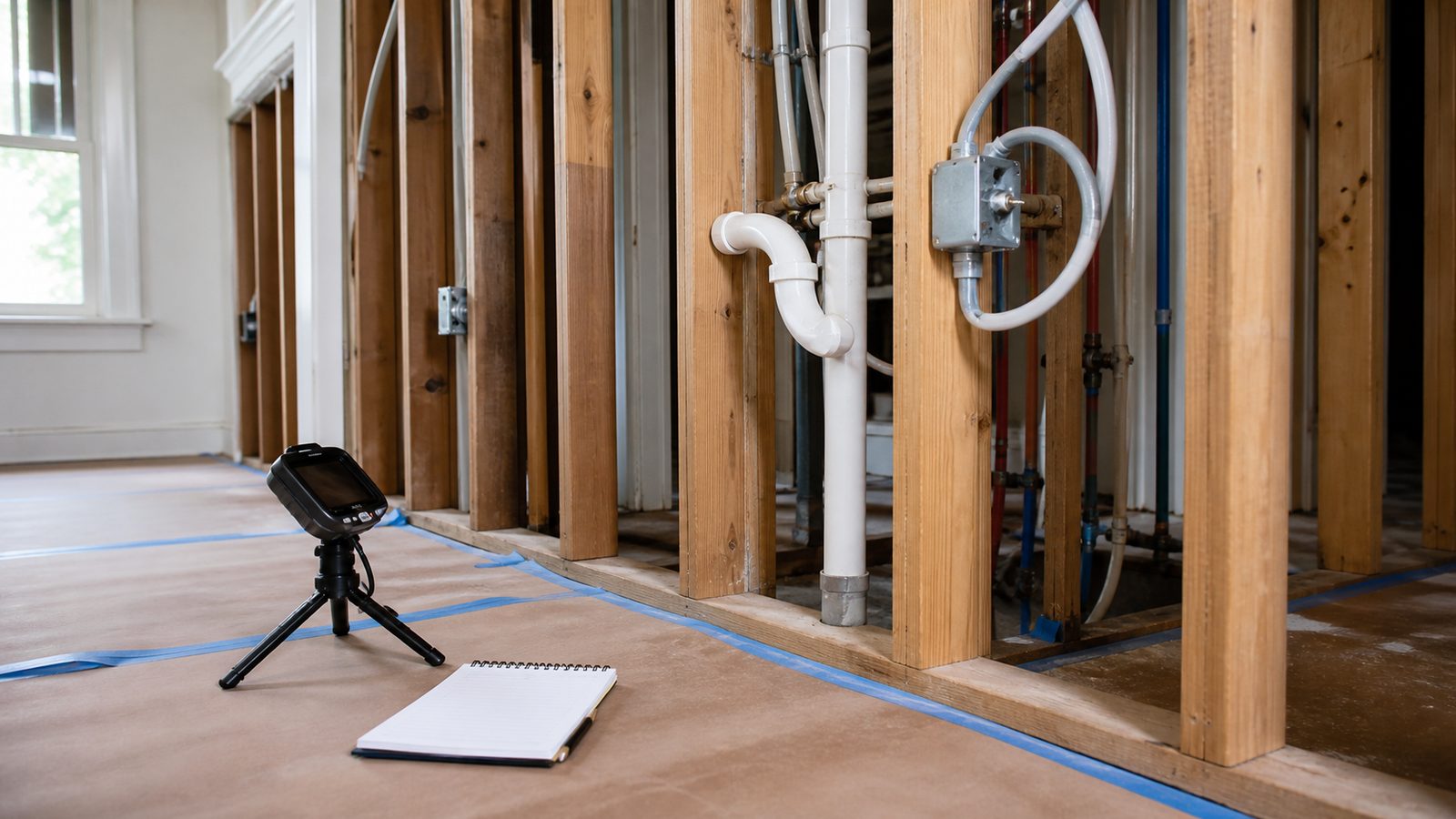
This is where subsurface validation matters. JK's pre-construction process includes moisture mapping, thermal imaging, selective wall openings, foundation inspection, and attic inspection before the price is set. We're not guessing what's in the walls — we're verifying.
In Jacksonville specifically, we find issues regularly that would become change orders if not caught before pricing: informally rerouted plumbing in older Riverside and Avondale homes, deteriorating cast-iron drain lines, mold behind tile in bathrooms that were never properly waterproofed. Every one of these findings goes into the scope document. The contingency is defined before the price is locked — not added after demo reveals the problem.
Root Cause 4: Owner-Requested Additions
Not every change order is the GC's fault. Sometimes the homeowner changes their mind during construction — a new bathroom feature, a different appliance, an added room. These are legitimate changes that legitimately cost money. They're also the only category of change order that should exist under a well-run contract.
The JK Way defines this clearly from the start: the fixed-price contract covers the scope document exactly as written. Owner-directed additions outside that scope are priced and approved in writing before any work is done. No verbal agreements. No "we'll figure it out." Every change is a signed addendum with a defined cost before it happens.
How JK's Fixed-Price Process Works in Practice
The pre-construction phase is where the fixed-price commitment is earned. It includes four steps:
- Site walk and subsurface validation — thermal imaging, moisture mapping, selective wall openings, crawl space and attic inspection. We document what exists before we price anything.
- Full scope document — line-itemed by trade, with all selections made or range-priced. Allowances are based on actual products in the actual price range you've described, not minimums designed to win the bid.
- Contingency definition — for conditions that cannot be verified without full demo (buried pipe locations, concealed structural members), we define a named contingency amount. That amount is in the contract. It's not a blank check — it's a ceiling with a defined trigger.
- Price lock at signing — once the scope document is complete and selections are finalized, the price is fixed. If the scope doesn't change, the price doesn't change. That's not a marketing claim. It's the contract language.
A pre-construction fee applies to this phase. That fee is credited against the construction contract at signing — it's an advance on the project fee, not an additional cost. For more on how that works, read our explanation of the pre-construction process.
What It Signals When a GC Skips Pre-Construction
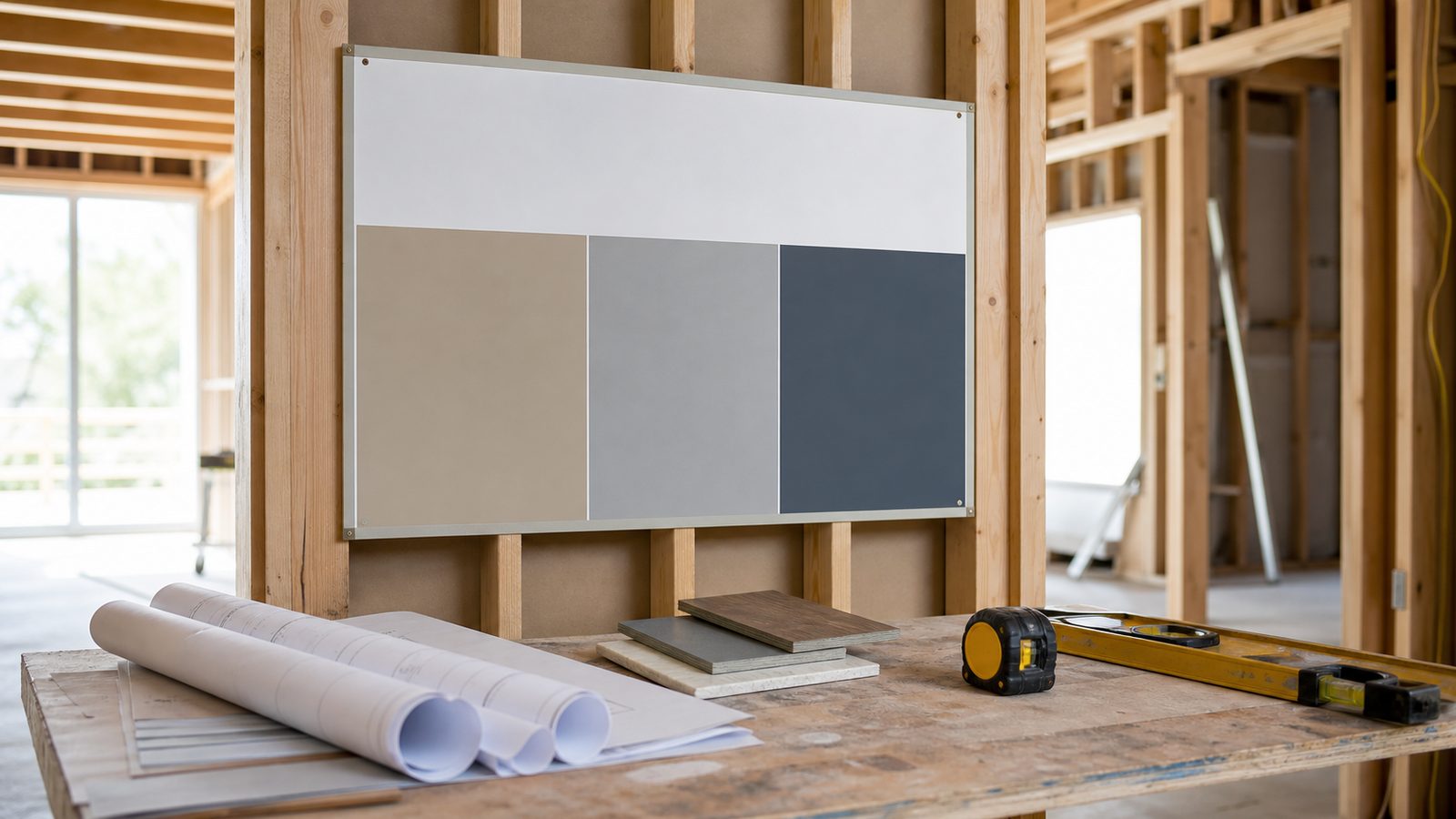
If a GC is willing to give you a fixed-price contract without a site walk, a scope document, or selections made, that price isn't fixed. It's an estimate with a margin for the unknowns they haven't uncovered yet. Those unknowns will reappear as change orders once you're committed.
The sequence matters. Price lock comes after scope definition. Scope definition comes after subsurface validation. Subsurface validation comes after someone physically opens the walls, looks at the crawl space, and documents what exists. A GC who skips that sequence is either gambling on the conditions or planning to charge you later.
JK Prestige has delivered gut-renos across Jacksonville — Riverside, Avondale, Springfield, Murray Hill, San Marco — in homes ranging from 1920s craftsman bungalows to 1970s ranch builds. The subsurface conditions vary significantly between neighborhoods and between houses on the same block. Pre-construction is not a formality. It's how the fixed-price contract holds.
The Cost of a Change Order That Didn't Have to Happen
A change order isn't just a line item. It's a delay. Change order approval requires a written estimate, owner review, and sign-off. During that time, the relevant trade stops work. On a full gut-reno with coordinated MEP, a week of rework on one trade can push back the entire schedule.
On a $250,000 renovation, three unnecessary change orders averaging $8,000 each add $24,000 and two to three weeks to the project. That's the cost of a scope document that didn't define the work specifically enough at the start.
The fixed-price model isn't about being cheap. JK Prestige competes on accountability, not price. The point is that the number you sign is the number you pay — and that only works if the number is built on a complete understanding of what's in the walls, what the selections are, and what the scope actually covers.
Get a free written estimate in 48 hours with a full scope document included — contact JK Prestige Constructor or call (904) 944-0278. A principal answers.
No call center. No coordinator. A JK principal reviews every inquiry and replies with a real number, not a range, not a follow-up form.
Request Free Estimate →