Roofing is not like other trades in Florida's construction market. A roofing sub carries a separate license type, a separately rated workers' compensation (WC) classification, and manufacturer certifications that determine whether the installed system is actually warranty-eligible. Getting the prequalification wrong on a roofing sub costs you more than a bad framing or drywall sub — because roofing failures are expensive to diagnose, expensive to fix, and often show up after the GC has closed the project and moved on.
This post covers the specific prequalification requirements for commercial roofing subs in Florida, what to verify beyond the paper credentials, and what reference questions actually tell you whether a roofer is reliable.
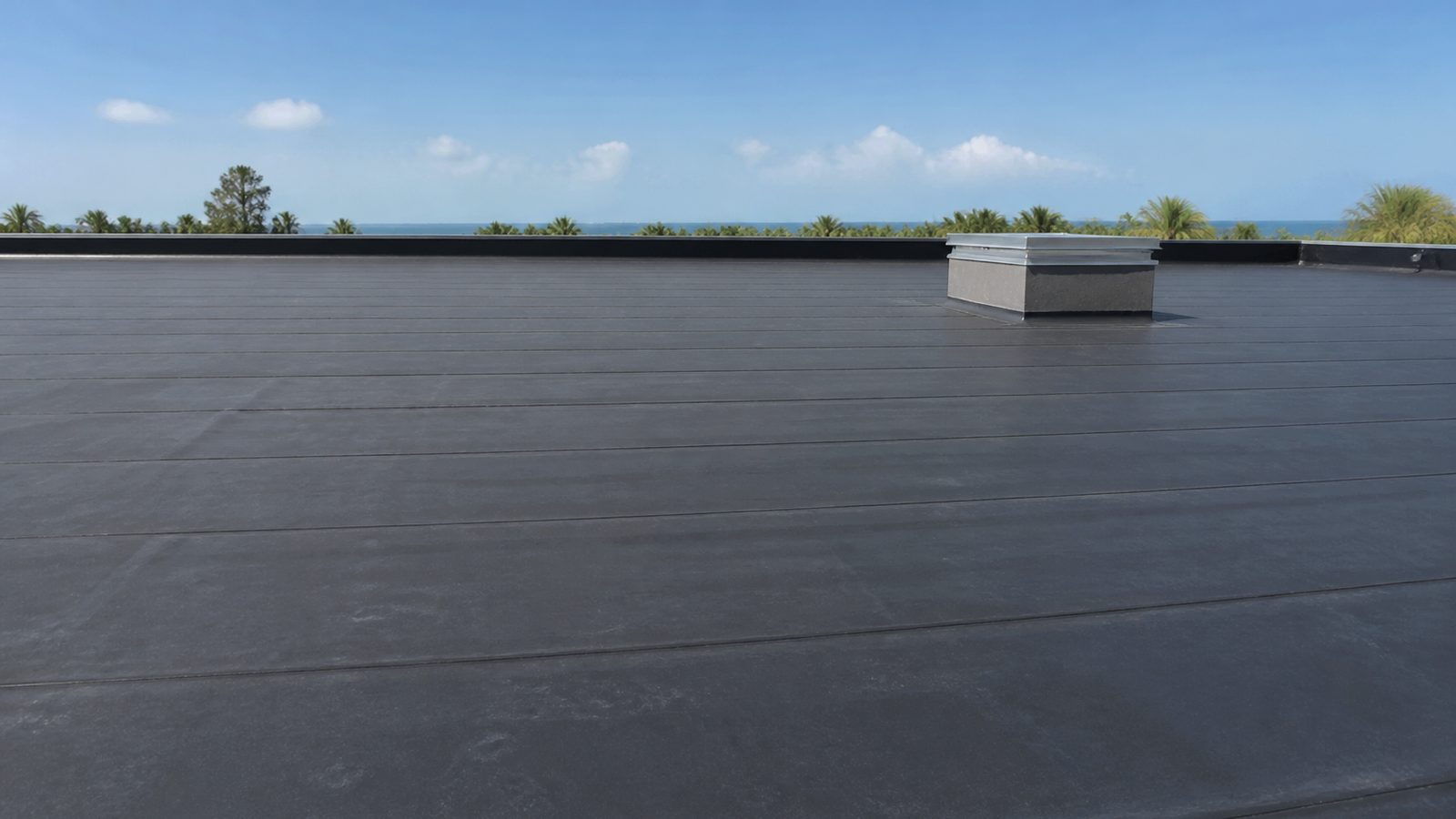
Florida Roofing Contractor License: What to Verify
The Florida Department of Business and Professional Regulation (DBPR) issues a specific license type for roofing contractors: Roofing Contractor, license type CCC. This is separate from the general contractor license (CGC) and the building contractor license (CBC).
A general contractor license does not authorize roofing work in Florida. If a GC awards roofing to a sub who holds only a CGC — without a CCC roofing license — that sub is performing unlicensed roofing work, which is a Florida Statute 489 violation. The GC can face secondary liability for awarding work to an unlicensed contractor.
Verify the roofing sub's license at myfloridalicense.com:
- License type must be CCC (Roofing Contractor)
- License status must be Active — not expired, suspended, or probationary
- Entity name on the license must match the entity name on the subcontract — a common red flag is a sub who bids under one entity name but whose license is held by a related but separate entity
- License must have no open disciplinary actions — the DBPR record shows complaint history and disciplinary actions in the same search
A registered (county-specific) roofing license is limited to the county of registration. A certified (statewide) CCC license authorizes work throughout Florida. Confirm which type the sub holds before awarding a project outside their registration county.
Insurance Requirements: What's Different for Roofing
Roofing carries higher injury rates than most construction trades, and Florida's workers' compensation system reflects this. Verify four specific insurance elements:
General Liability
Minimum limits for a commercial roofing sub in Florida:
- $1,000,000 per occurrence
- $2,000,000 aggregate
For roofing scopes on projects over $2M total contract value, consider requiring $2,000,000 per occurrence and a $1,000,000 umbrella.
The GC must be named as additional insured on the GL policy. Require the additional insured endorsement — not just the certificate. A certificate without the endorsement is not coverage for the GC.
Workers' Compensation: The NCCI Code Problem
Roofing is rated by the National Council on Compensation Insurance (NCCI) under a separate workers' compensation classification code from general construction. The primary commercial roofing NCCI codes are:
- 5551 — Roofing — all kinds and drivers (the primary code for most commercial roofing operations)
- 5645 — Carpentry — detached one or two family dwellings (sometimes used for residential re-roofing; should NOT appear on a commercial roofing policy)
Why this matters: a roofing sub who uses a general construction WC code (rather than the roofing-specific code) is effectively misrepresenting their operations to their WC carrier. If a worker is injured performing roofing work under a policy with an incorrect classification code, the WC carrier may deny the claim or seek to rescind the policy. The GC is then exposed through the multi-employer liability chain.
Request a copy of the WC policy declarations page — not just the certificate — and verify that the NCCI classification code includes roofing (5551 or equivalent). If the declarations page shows no roofing-specific code, the sub's WC coverage is suspect.
Umbrella/Excess Liability
Require a minimum $1,000,000 umbrella on any commercial roofing scope over $500,000. Roofing claims — both property damage (a membrane failure that floods a building) and bodily injury (a fall from a roof) — can exceed standard GL limits quickly.
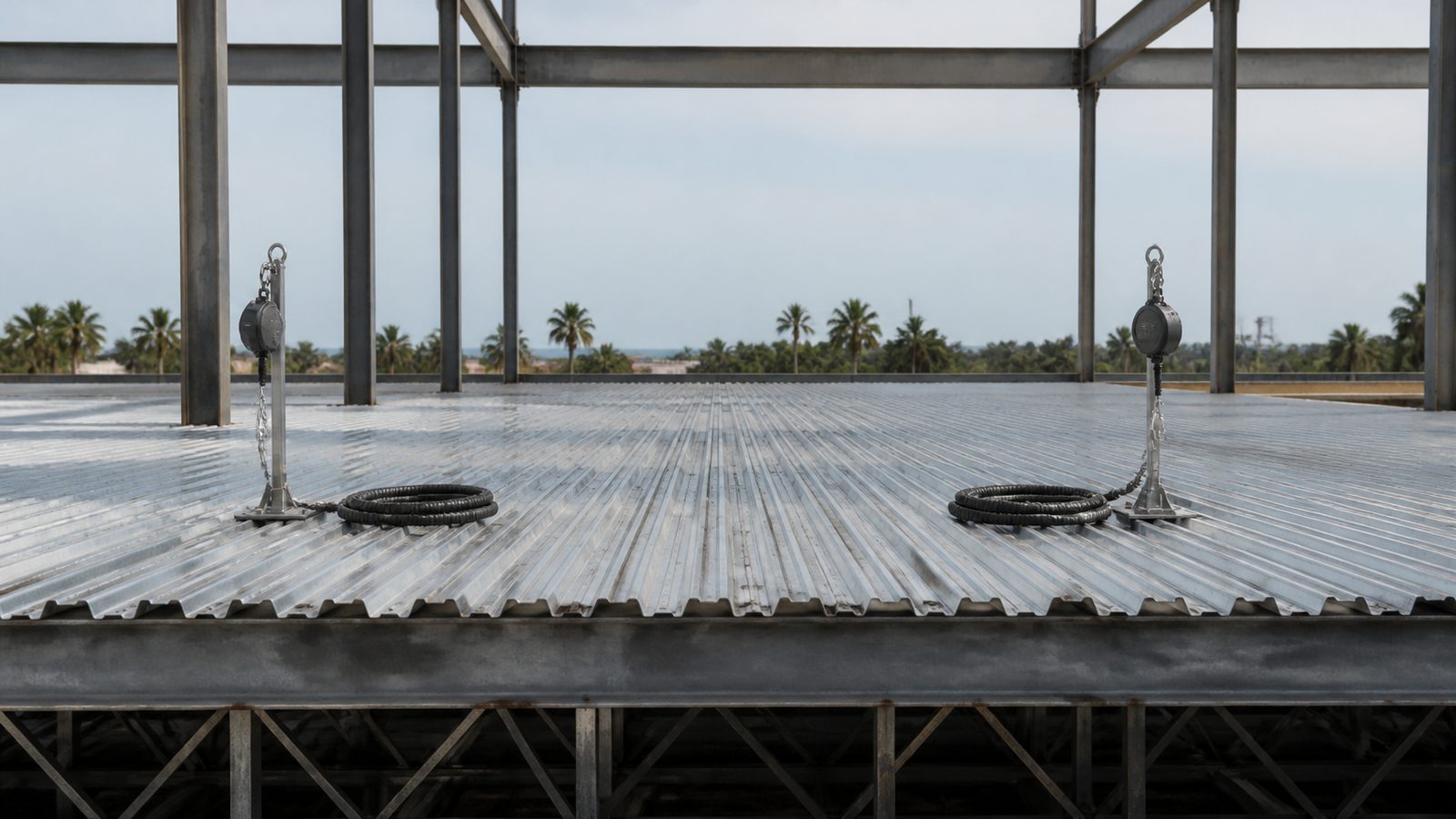
OSHA 30 for the Site Supervisor
Falls from roofs are the leading cause of construction fatalities in Florida and nationally. The Occupational Safety and Health Administration (OSHA) 1926 Subpart M (Fall Protection) requires that the employer designate a competent person for fall protection on any roofing operation — someone who can identify fall hazards and has authority to implement corrective measures.
An OSHA 30 certificate for the site supervisor is the recognized standard for demonstrating competency. A roofing supervisor without OSHA 30 is not necessarily non-compliant — but they are harder to defend as a competent person in an OSHA inspection following an incident.
Before mobilization, require:
- OSHA 30 certificate for the project supervisor (verified, not just attested)
- Written fall protection plan for the specific roof configuration (parapet height, roof slope, access points, leading edge conditions)
- Documentation of the fall protection systems to be used (guardrail, personal fall arrest, or safety monitor — verify that safety monitor is used only where the regulation allows it)
Manufacturer Certification: What It Actually Means
Manufacturer certification means the roofing sub has met the manufacturer's training and installation standard requirements and is authorized to install that manufacturer's system. This is separate from licensing.
The most common commercial membrane manufacturers and their certification programs in Florida:
- Carlisle SynTec — authorizes SynTec-certified contractors for TPO and EPDM systems
- Firestone Building Products — authorizes Firestone-qualified contractors for EPDM, TPO, and RubberGard systems
- GAF — Master Elite certification for commercial and residential systems
- Johns Manville — JM certified roofing contractor program
Why it matters: manufacturer warranties on commercial roofing systems (typically 10–20 years) are only valid when the installation is performed by a certified contractor who follows the manufacturer's installation standards and uses the manufacturer's approved accessories. An uncertified contractor installing what appears to be the same membrane is not producing a system eligible for the manufacturer's warranty.
The manufacturer's warranty is the primary long-term protection against membrane failure — and it's worth nothing if the installer wasn't certified. Verify certification directly with the manufacturer if the project specification requires a specific manufacturer's warranty.
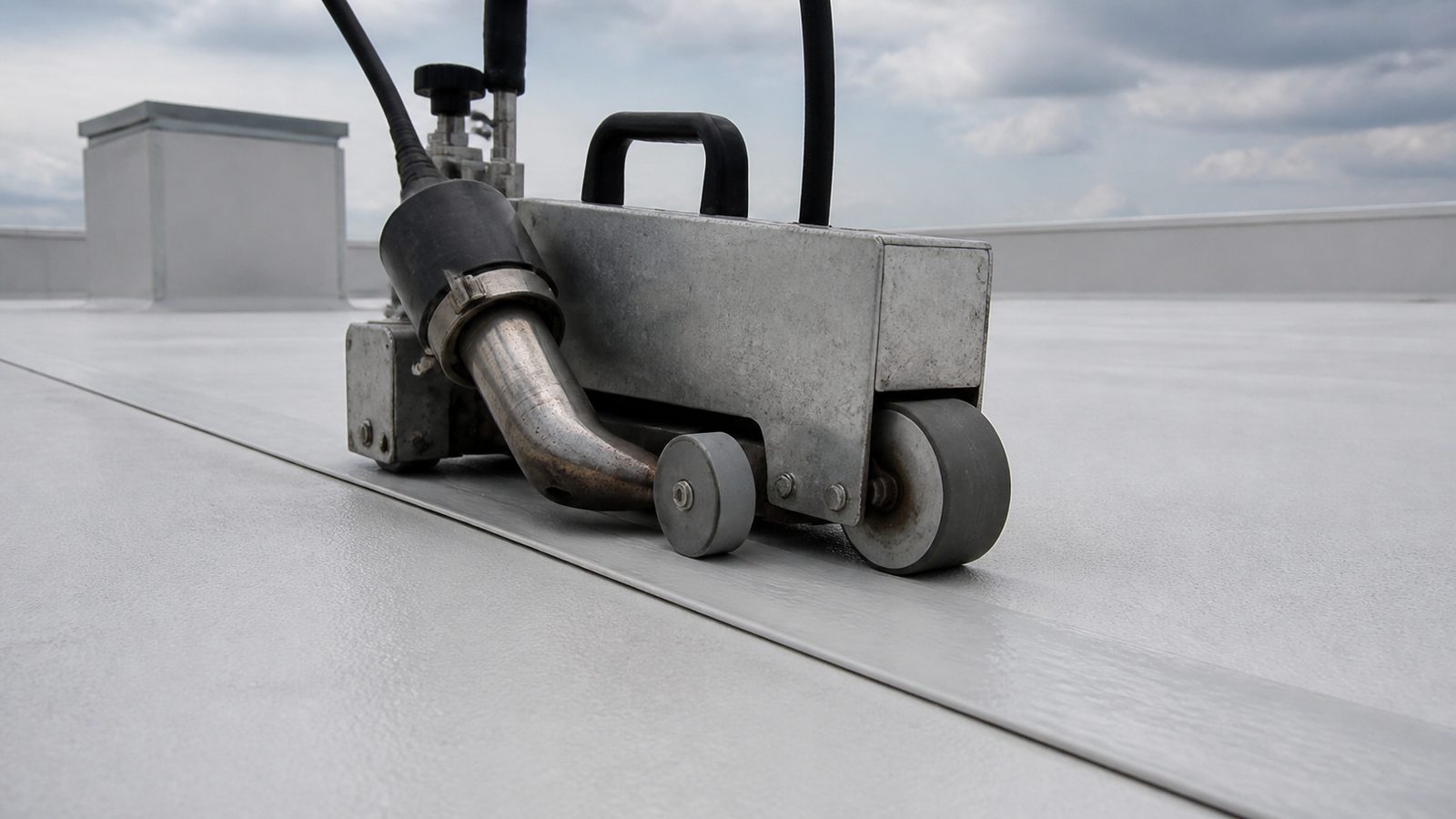
What to Verify Beyond the Paper Credentials
The paperwork tells you who the sub claims to be. Reference calls tell you who they actually are. For roofing subs, the specific questions that matter most:
"What was their leak-back rate on closed projects?" A "leak-back" is a post-occupancy call-back for a leak at a previously installed system. All roofing contractors have some leak-backs — the question is frequency and cause. A sub with a pattern of leak-backs that they attribute to "the system" or "the specification" and never to their installation is not taking accountability.
"How fast did they respond to warranty calls?" Warranty response speed is the most accurate predictor of whether you'll be able to get them back on your project when a problem appears after closeout. A roofing sub who responds to warranty calls within 24–48 hours is operating professionally. A sub who takes weeks to respond, or who disputes warranty applicability before even examining the leak, is a sub you'll be mediating disputes with.
"What was their punch list item count on the day they called the scope complete?" This question applies to roofing the same way it applies to framing and drywall — a sub who routinely calls work complete with significant open punch list items is creating closeout problems.
"Did they coordinate their rooftop penetrations with your MEP trades without conflict?" Rooftop HVAC curbs, pipe penetrations, and equipment pads are the most common source of roofing-to-MEP coordination failures. A roofing sub who treats their membrane as finished before HVAC is set creates penetration conflicts that require warranty-voiding cuts after the fact.
How JK's Roofing Division Meets These Requirements as a GC Partner
JK Prestige's roofing division operates under the JK entity with a Florida CCC roofing contractor license. Insurance documentation includes GL with GC named as additional insured on the endorsement, WC with the correct roofing NCCI classification code (5551), and umbrella coverage.
OSHA 30 is a baseline employment requirement for all JK supervisory personnel — the roofing superintendent holds OSHA 30, produces a written fall protection plan before first access to any roof, and documents daily toolbox talks.
Manufacturer certifications: JK holds certifications from Carlisle SynTec and Firestone, enabling warranty-eligible installation for the commercial membrane systems most commonly specified in Florida.
JK's roofing division operates within the same principal-led accountability structure as JK's GC operations: one point of contact, one warranty, one phone number for post-occupancy issues.
The JK Way governs how JK performs as a roofing sub: same documentation standards, same crew accountability, same punch list standard.
Request our trade packet — licensing, insurance certs, manufacturer certifications, and references — contact JK Prestige. Call (904) 944-0278. A principal answers.
No call center. No coordinator. A JK principal reviews every inquiry and replies with a real number, not a range, not a follow-up form.
Request Free Estimate →