Springfield is Jacksonville's oldest planned neighborhood. The homes here — Queen Anne, Craftsman, shotgun cottages — were built between 1870 and 1930, and most of them have never seen a proper renovation. When JK Prestige crews pull permits in Springfield, we're usually dealing with knob-and-tube wiring behind the drywall, balloon framing, and subfloors that haven't been touched since FDR was president.
That's not a problem. It's a project profile. This guide covers what Springfield homeowners face when they decide to renovate, what the permit process looks like, and what a fair fixed-price contract should include.
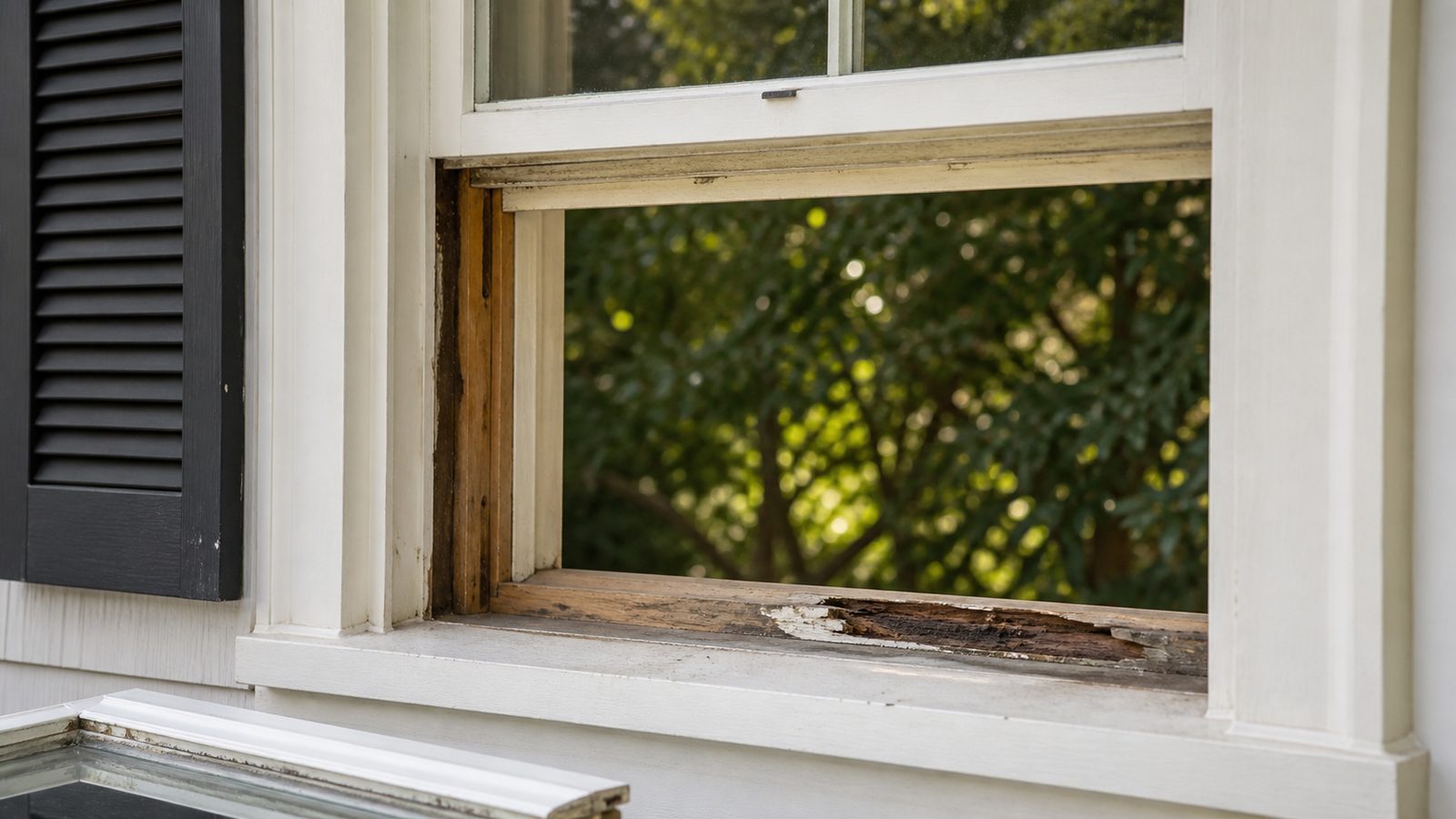
Why Springfield Is Different From Any Other Jacksonville Neighborhood
Most Jacksonville neighborhoods were built post-WWII. Springfield predates air conditioning, modern plumbing standards, and Florida Building Code. That creates specific renovation challenges you won't encounter in Mandarin or Nocatee:
- Balloon framing — older method where studs run floor-to-roof without fire blocks. Electricians and HVAC subs have to work differently inside these walls.
- Lead paint — any home built before 1978 requires EPA RRP compliance. Your contractor needs to be certified. JK holds that certification.
- Historic designation — parts of Springfield fall within the Springfield Historic District. Exterior changes require a Certificate of Appropriateness from the Jacksonville Historic Preservation Commission before permits are issued.
- Pier-and-beam foundations — common in the older blocks. Water damage, termite activity, and settling are common findings once you get under the floor.
None of this makes renovation impossible. It makes scoping accuracy critical.

The Permit Process in Springfield
All renovation work in Springfield falls under Duval County Building Services jurisdiction. There's nothing Springfield-specific about the permit office, but the historic overlay adds a layer for exterior work.
For interior gut renovations, you're looking at:
- Building permit (structural, if walls move)
- Electrical permit (always required if panel or circuits are touched)
- Mechanical permit (HVAC ducting, new equipment)
- Plumbing permit (any fixture relocation)
For exterior work in the historic district — new windows, siding, porch changes, additions — you also need the Certificate of Appropriateness from the City of Jacksonville's Historic Preservation Division before the building permit is issued. That review runs 30 to 45 days for standard applications.
JK Prestige pulls all permits in-house. We don't hand that task to the homeowner. The permit package is part of the fixed-price contract.
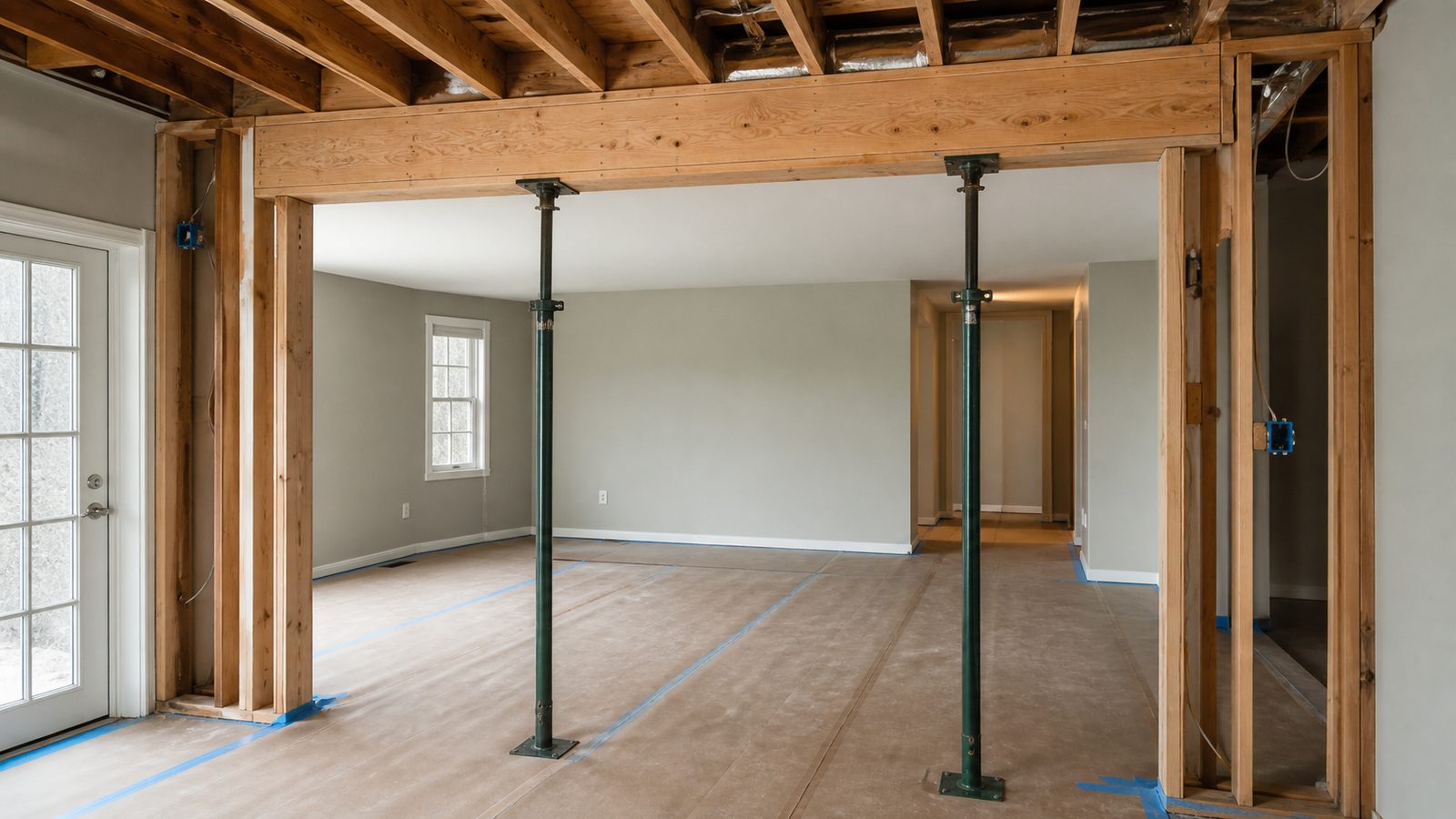
What a Springfield Gut Renovation Actually Costs
Numbers depend on scope, but here are honest ranges for common Springfield project types:
Full gut renovation (2BR/1BA Craftsman bungalow, 1,000-1,400 sqft): $110,000 to $180,000. That range widens fast if foundation work is needed — pier-and-beam leveling or full sill plate replacement can add $15,000 to $40,000 depending on severity.
Kitchen gut (keep layout, new everything): $45,000 to $75,000. Custom cabinetry and appliances push the top of that range.
Bathroom gut (one bath, standard fixtures): $18,000 to $32,000.
Electrical panel upgrade + whole-home rewire: $12,000 to $22,000 as a standalone scope.
These are Jacksonville numbers. They reflect current material pricing and local labor — not national averages that don't apply here.
What Fixed-Price Means in a Springfield Renovation
Springfield renovations have a discovery problem. You don't always know what's behind the walls until the walls come down. Every GC handles this differently. Here's how JK Prestige handles it:
The initial fixed-price contract covers the defined scope. When we open a wall and find conditions that change the scope — and in Springfield, we almost always do — we document it in writing before the work continues. You get a written change order with a new line-item cost. You approve it. Then we proceed.
What doesn't happen: crews disappear for a week waiting on a verbal go-ahead, or work continues and a surprise bill shows up at the end.
Discovery clauses are written into the contract language before we sign. Springfield homeowners should ask any GC to show them the discovery clause before signing anything.
How JK Prestige Works in Springfield
JK Prestige is based in Jacksonville and self-performs framing, drywall, concrete, and roofing on our own crew. We don't broker trades out to whoever is cheapest that week.
In Springfield specifically, our framing crew has worked in balloon-frame homes and understands the structural logic. Our finishing crews have done period-appropriate trim work — picture rail, beadboard, cove molding — for homeowners who want to restore rather than modernize.
A principal answers every call. Not a project coordinator. Not a scheduler. If you have a question about your Springfield renovation on a Saturday morning, you call the same number that's on your contract.
License: CGC1535682. GAF Master Elite certified. OSHA 30 on every active crew.
The Permit-to-Move-In Timeline for a Springfield Gut
Rough guide for a full gut renovation on a 1,200 sqft Springfield bungalow:
- Pre-construction and permit application: 4-6 weeks
- Historic approval (if exterior work included): 30-45 days concurrent
- Demolition and framing: 2-3 weeks
- Rough MEP (mechanical, electrical, plumbing): 2-3 weeks
- Inspections and rough approvals: 1-2 weeks
- Insulation, drywall, finishes: 4-6 weeks
- Fixtures, trim, punch list: 2-3 weeks
Total: 16 to 24 weeks depending on scope and permit timing. Any GC who quotes less for a full gut renovation in a pre-WWII home isn't accounting for inspection cycles.
Finding the Right Contractor for Springfield
When you're vetting contractors for a Springfield renovation, check these before you sign:
- Florida CGC or CRC license — look it up at myfloridalicense.com, not just on their website
- EPA RRP certification — required for pre-1978 homes
- Evidence of work in historic homes — ask for photos, not just "yes we've done it"
- Written scope and discovery clause — if they only give you a verbal estimate, walk away
- Direct contact — if you can't get a principal on the phone before you sign, you won't after
No call center. No coordinator. A JK principal reviews every inquiry and replies with a real number, not a range, not a follow-up form.
Request Free Estimate →