A tenant improvement (TI) allowance is a landlord's financial contribution toward a tenant's build-out. It's expressed as a per-square-foot figure — the landlord agrees to pay up to $X per square foot of leased area toward construction costs. Everything above that figure comes out of your pocket.
Most tenants negotiate the TI allowance before they have a real construction number. They accept $40 per square foot because it sounds reasonable, then spend $62 per square foot building the space and wonder what happened. The fix is straightforward: get a GC estimate before you sign the lease. The sequence matters more than the negotiation skill.
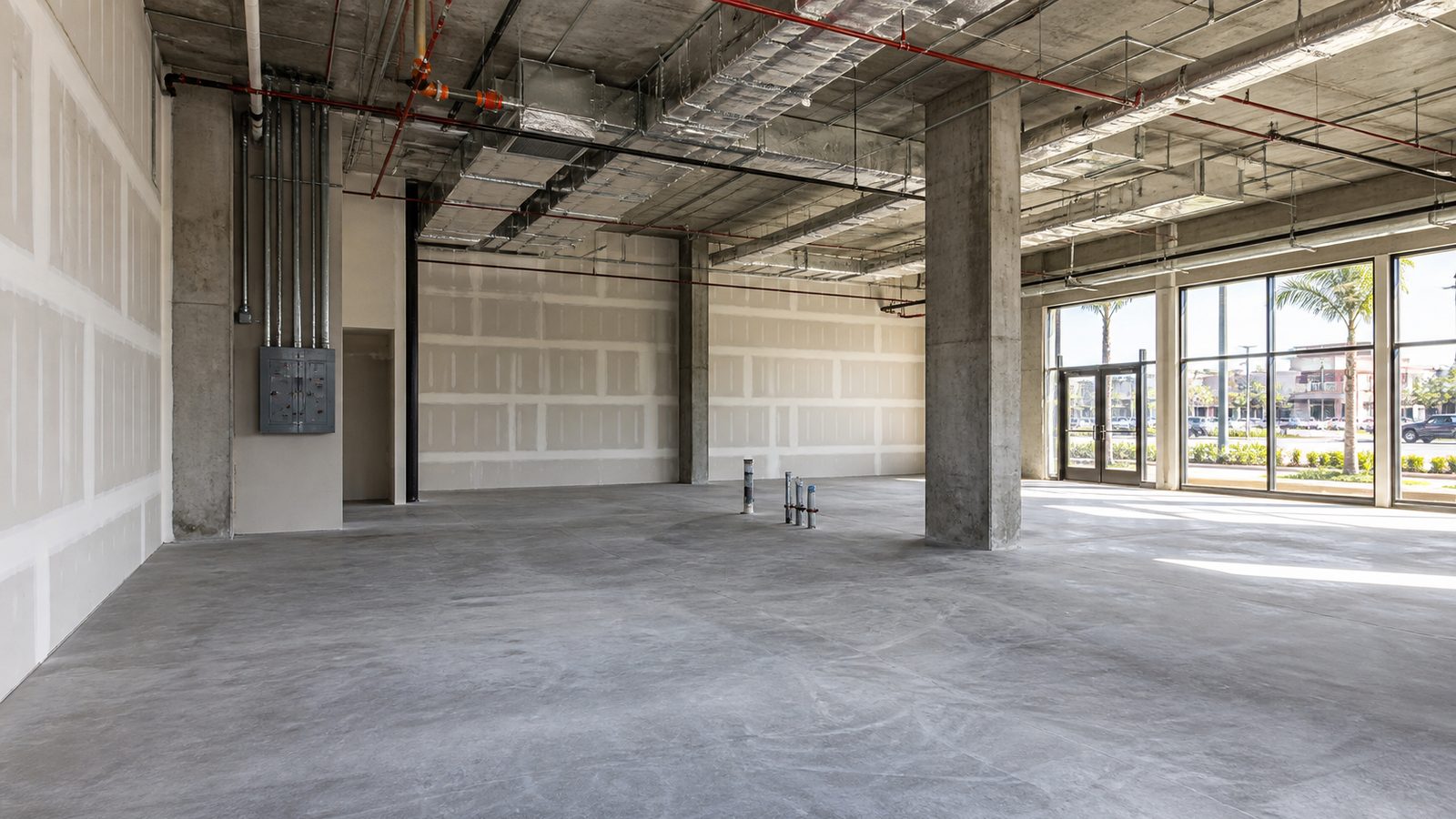
How TI Allowances Work in Jacksonville FL
In Jacksonville's commercial real estate market, TI allowances vary significantly based on lease term length, tenant creditworthiness, market conditions, and building class. As of 2025, ranges for a standard commercial build-out in Jacksonville run approximately:
- Class A office space: $45–$65 per square foot
- Class B office space: $30–$50 per square foot
- Retail/restaurant (shell or grey shell condition): $35–$60 per square foot depending on kitchen and MEP complexity
- Medical office (new tenant in shell space): $60–$90 per square foot due to plumbing, electrical, and MEP density
These figures represent what landlords are willing to offer in a negotiated deal — not what they open with. Opening offers in Jacksonville's current market frequently start $10–$15 per square foot below these ranges.
Turnkey vs. TI Allowance Delivery
TI allowance delivery: The landlord provides a per-square-foot dollar amount. You hire the GC, manage the construction, and submit paid invoices to the landlord for reimbursement up to the cap. If you come in under budget, you may or may not keep the difference (depends on lease terms). If you go over, you pay the overage.
Turnkey delivery: The landlord builds the space to a mutually agreed set of plans and delivers it ready to occupy. You negotiate the scope of what's included, not the dollar amount. The landlord manages the GC and owns the construction risk.
Turnkey favors the tenant when the landlord's construction costs are lower than yours (they have preferred contractor relationships, buy materials at volume) and when you want schedule certainty without managing a build-out. TI allowance delivery favors the tenant when you want control over the build-out quality and the GC selection.
In Jacksonville, most commercial leases over 3,000 square feet are structured as TI allowance delivery. Turnkey is more common in smaller retail leases and in leases where the landlord has a standardized fit-out package.
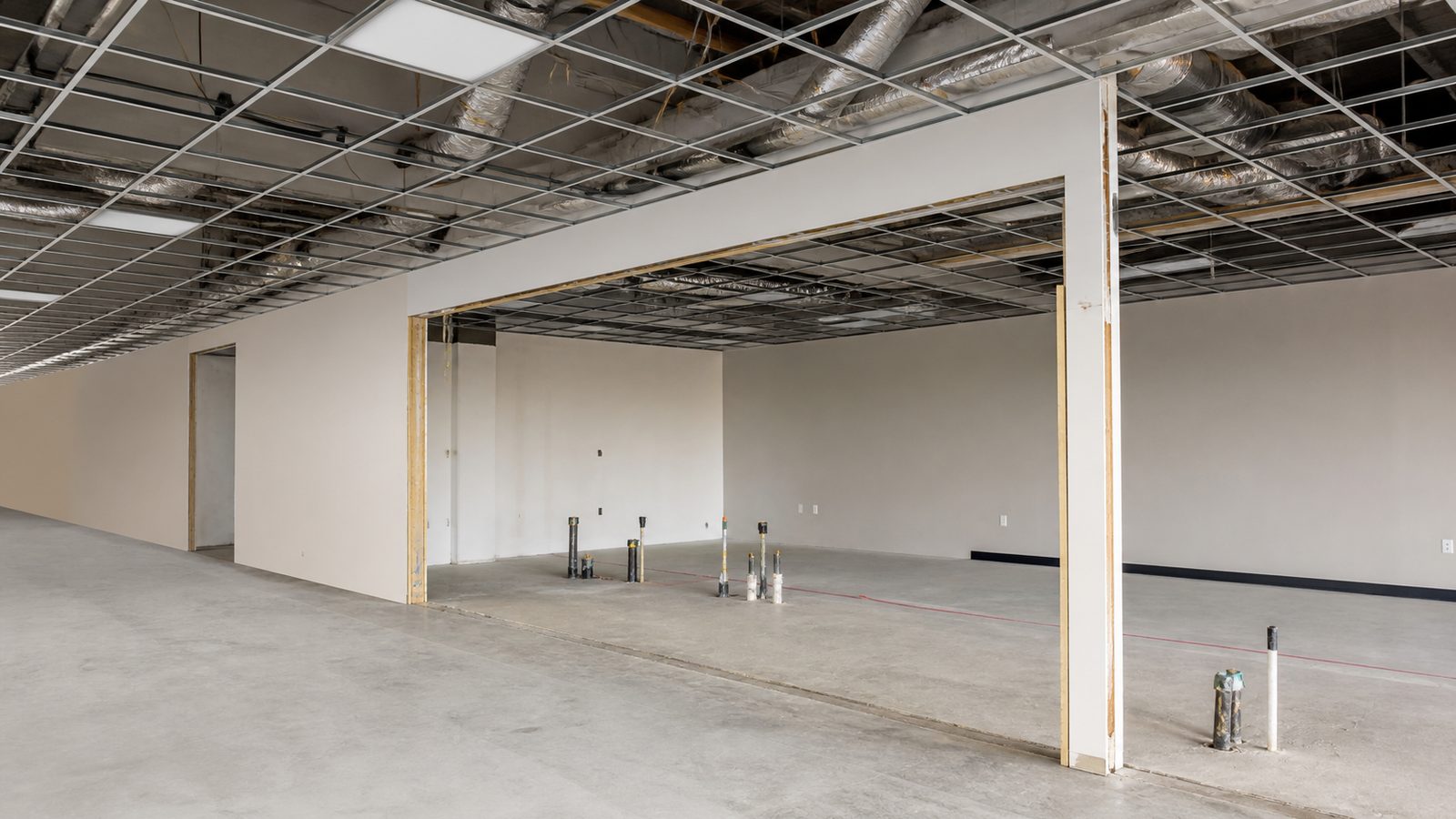
What Landlords Try to Exclude From TI
TI allowances are negotiated with specific exclusions. Some exclusions are standard and appropriate. Others are aggressive landlord positions that tenants accept because they don't know to push back.
Standard exclusions (appropriate):
- Furniture, fixtures, and equipment (FF&E): chairs, desks, reception furniture, signage not attached to the building
- Information technology infrastructure: server equipment, workstations, AV systems (though AV rough-in and conduit typically can be included)
- Moving costs and occupancy costs during construction
Landlord exclusions tenants should push back on:
- Building permit fees. Permit fees are a direct construction cost, not a tenant operations cost. They belong in the TI scope.
- Storefront signage and building-mounted signs. If signage is attached to the building and requires a permit, it's a construction item. Some landlords try to exclude it as "tenant signage" — push for inclusion.
- Storefront glazing modifications. If the lease is for a space with an existing storefront that needs to be reconfigured for your entry, that's a construction cost that should be in the TI scope.
- Specialty MEP items. Restaurant tenants often find that hood systems, grease traps, and gas service upgrades are excluded. These are legitimate construction costs — negotiate them into the TI cap or into a separate landlord work letter.
What you cannot include regardless of negotiation:
- Items that are not permanently attached to the real property
- Items that reduce the building's value at lease end (landlords negotiate a "restoration clause" for any improvements that are tenant-specific)
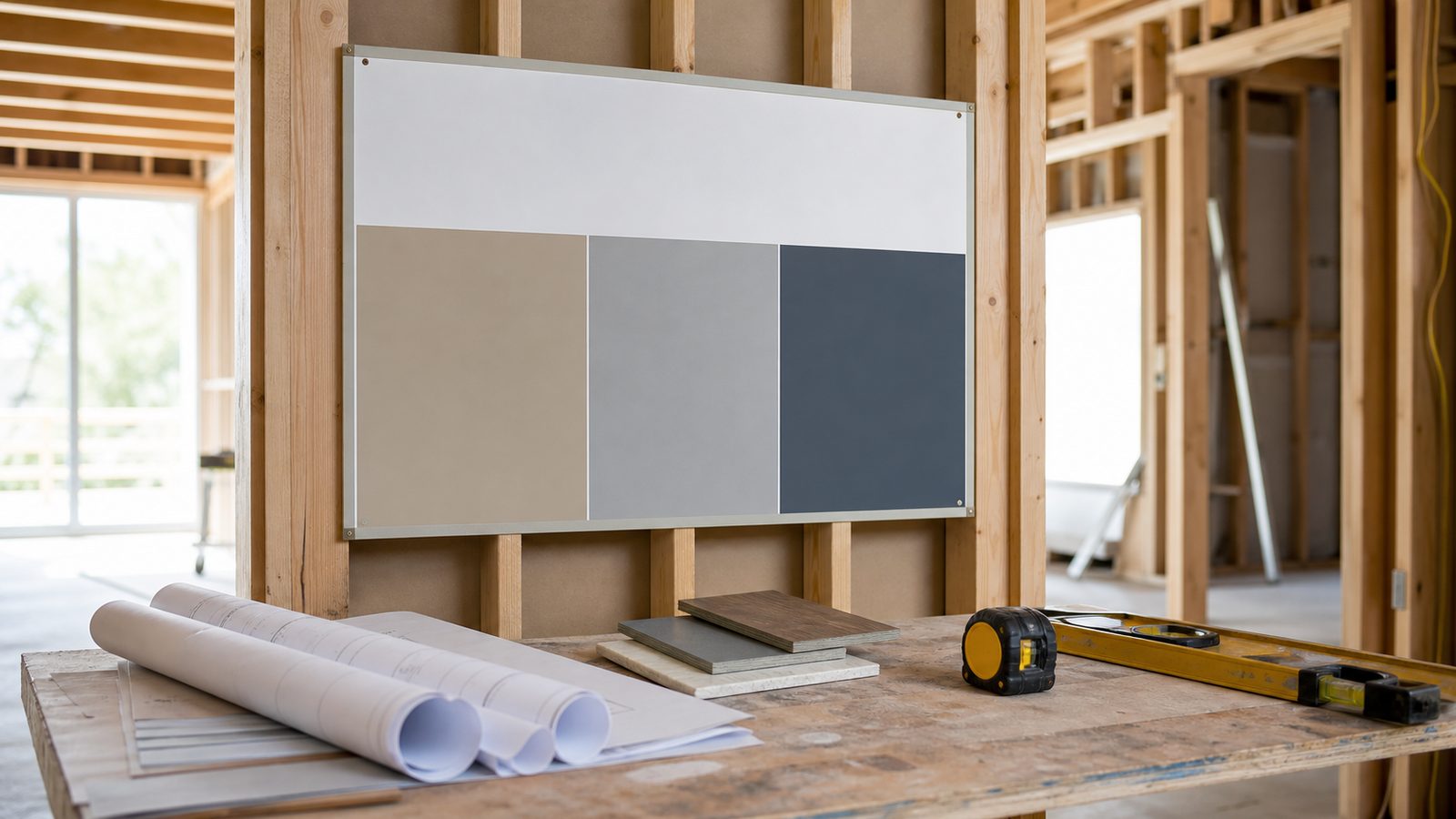
Get GC Pricing Before Signing the Lease
The single highest-leverage action any commercial tenant can take in a TI negotiation is to have a real GC estimate before sitting across the table from the landlord.
Here's why it works: the landlord's TI offer is based on their knowledge of the market and their interest in closing the deal. If you accept $45 per square foot because it sounds reasonable, you've given up negotiating leverage you didn't know you had. If you know your actual build-out costs $58 per square foot from a GC estimate, you have a specific number to negotiate from — and you can have a specific conversation about which scope items to include or exclude to close the gap.
JK Prestige provides pre-lease construction estimates for commercial tenants in Jacksonville. The process is a site walk of the space in its current condition, a review of the tenant's space plan or conceptual layout, and a written estimate within 48 hours. The estimate includes:
- Line-item breakdown by trade (framing, Mechanical, Electrical, and Plumbing [MEP], drywall, flooring, ceiling, millwork, storefronts, finishes)
- Permit fee estimate based on current Duval County Building Inspection fee schedule
- ADA path of travel scope if applicable
- Contingency recommendation based on shell condition and building age
That estimate becomes your negotiating document. You walk into the lease negotiation knowing your number — not guessing at it.
How to Use a GC Estimate in TI Negotiations
Sequence:
- Identify the space and obtain a letter of intent (LOI) term sheet.
- Bring in the GC for a pre-lease site walk and scope estimate (before signing the LOI).
- Review the estimate against the landlord's TI offer.
- If there's a gap, negotiate: ask for the TI to increase, negotiate out of the rent escalation rate, negotiate a free-rent period to offset the construction overage, or reduce scope to bring build-out cost in line with the TI.
- Once the TI amount and scope are aligned, sign the lease.
Reversing steps 1 and 2 — signing before you have the estimate — is the mistake that costs tenants $15–$30 per square foot in out-of-pocket construction costs they didn't plan for.
How JK Provides Pre-Lease GC Pricing in Jacksonville
JK's commercial construction process is designed to begin at the earliest possible point in the tenant's decision timeline — before the lease is signed, not after. This serves the tenant in two ways:
First, the estimate is based on the actual shell condition of the specific space, not a generic market average. A 10-year-old Class B office building in Southside Jacksonville has different baseline conditions than a new Class A shell in the St. Johns Town Center corridor. Your estimate reflects what you're actually building, not what the market says it should cost.
Second, the estimate is a fixed-price commitment. Per the JK Way, if the scope doesn't change, the price doesn't change. That means the number you take into the lease negotiation is the number you build at — not a placeholder that grows by $8 per square foot after mobilization.
This matters for TI allowance disbursement. Most landlords disburse TI on a reimbursement basis against paid invoices. If your GC's costs exceed the original estimate — which is what happens with change-order-heavy brokered GCs — you're writing checks you didn't plan for while waiting for reimbursement on what you've already spent. A fixed-price contract eliminates that exposure.
Get a free written estimate in 48 hours. contact JK Prestige before you sign your next commercial lease. Call (904) 944-0278. A principal answers.
No call center. No coordinator. A JK principal reviews every inquiry and replies with a real number, not a range, not a follow-up form.
Request Free Estimate →