Most GC pre-qualification processes are informal: a phone call, a license number, a COI that gets filed without being read. Then a sub fails to perform, or an OSHA inspector shows up and the documentation doesn't exist, or a lien hits the property two months after the GC paid the sub in full.
This checklist covers nine auditable steps that, taken together, close the most common failure modes in a trade sub relationship. Each step catches a different category of risk. None of them are optional if the project matters.

Step 1: Florida License Verified on DBPR
Every framing, drywall, and roofing sub operating in Florida must hold an active license through the Florida Department of Business and Professional Regulation (DBPR). The verification takes two minutes at verify.myfloridalicense.com.
What it catches: Unlicensed contractors who've been operating on expired or suspended licenses. In Florida, awarding scope to an unlicensed contractor creates joint liability for the GC if the project is cited by the building department. It also creates insurance complications — policies often exclude claims arising from unlicensed work.
Verify the license before the bid is accepted. Verify it again before mobilization. License status can change between bid date and start date.
Step 2: COI Reviewed and GC Named as Additional Insured
The COI review is not a file-and-forget step. It requires reading the document and verifying the specific items that matter.
What to verify:
- General liability: $1M per occurrence / $2M aggregate minimum (higher for large contracts)
- Workers' comp: NCCI code matches the actual trade being performed (not a generic construction code)
- Umbrella: required for projects over $5M, occurrence-based
- GC entity named as additional insured with exact legal name match
- Ongoing operations coverage confirmed (not just completed operations)
- All policy expiration dates through project completion
What it catches: Coverage gaps that only surface after an incident. A COI that shows adequate limits but names the wrong entity, or covers completed operations only, or has a workers' comp policy under the wrong NCCI code, is not adequate coverage. The standard COI review catches these before they become claims.
Step 3: OSHA 30 Certificates for All Supers
Require OSHA 30 completion certificates for every supervisor the trade sub will deploy on your project. The certificate should show the supervisor's name, the training provider, and the completion date.
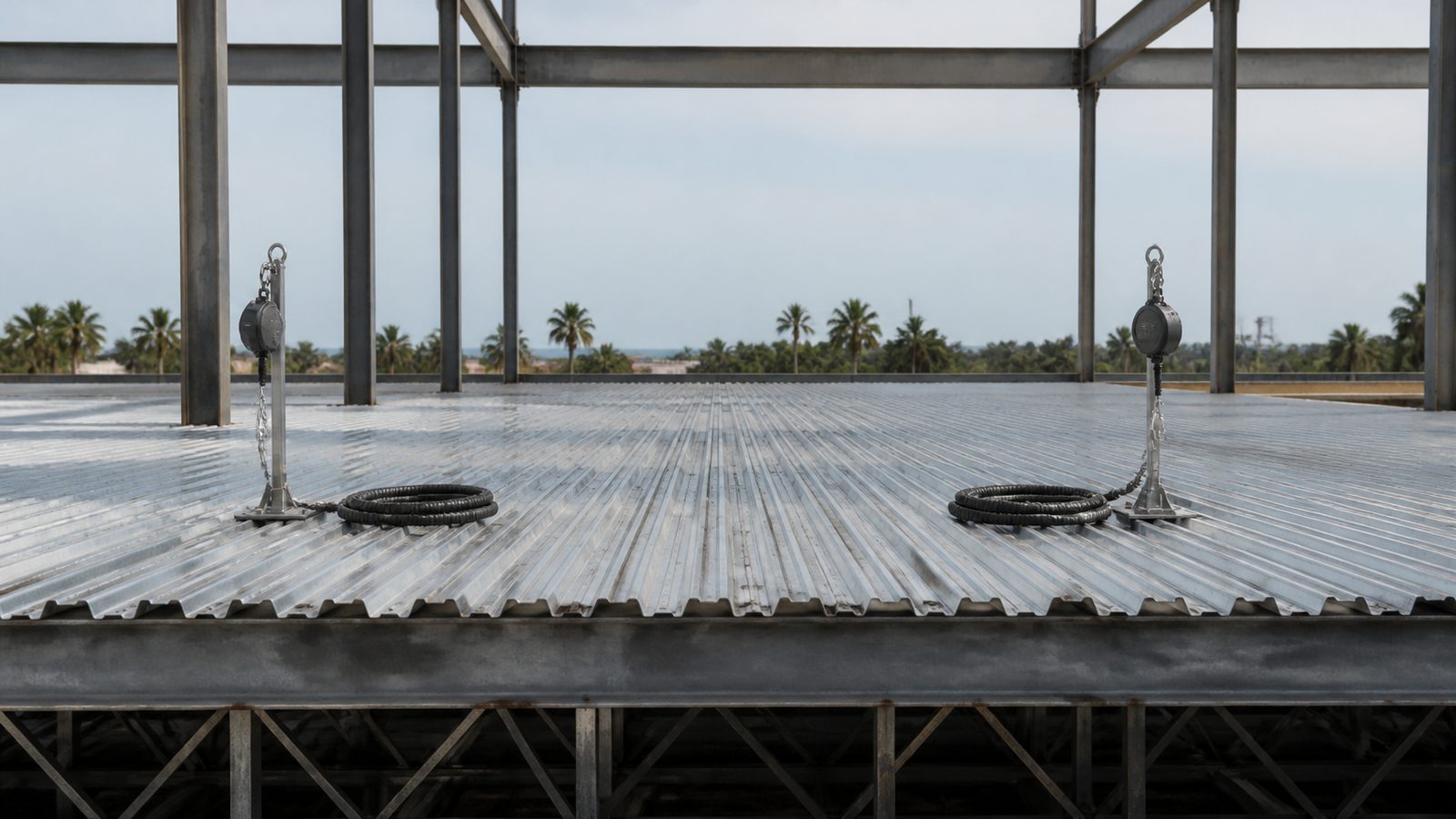
What it catches: Supervisors who have no formal safety training managing crews in hazardous conditions. On occupied-site projects specifically — retail, hospital, office — OSHA 30 supervision matters for fall protection (lifts, scaffolding), dust containment, and egress compliance. A supervisor without OSHA 30 training is likely not producing JSAs or running documented safety meetings, which creates GC exposure under OSHA's multi-employer worksite policy.
Certificates older than five years are worth noting. Not all trades require periodic renewal, but a certificate from 2015 on an active job superintendent in 2025 should prompt a conversation.
Step 4: Reference Calls Completed — Minimum Three, Last 12 Months
Get three references from GC firms who have completed projects with this sub in the last 12 months. Call them. Do not email them. The following questions should be asked in order:
- Did the sub complete scope on schedule? If not, what caused the delay?
- What did the punch list look like at substantial completion? How long did it take to close?
- Were there billing disputes or change order claims outside the original scope?
- Would you award them scope again on a project of the same type and size?
- Who was the named supervisor on your project, and is that who they're promising you?
What it catches: Subs who perform for the sales team and underperform in the field. A sub who lists three references and all three give lukewarm answers to question four is giving you a clear signal. A sub who can't provide three references from completed projects in the last 12 months either hasn't done the work, or the references aren't favorable.
Step 5: Scope History Reviewed — Project Size and Type Match
Ask for a list of the sub's last 10 projects: project name, building type, sqft, contract value, and GC firm name. Verify that the scope they're bidding on your project falls within their demonstrated delivery range.
What it catches: Subs who have delivered residential framing bidding on 80,000 sqft commercial framing, or roofing subs who've done shingle replacement bidding on a TPO commercial re-roof. The skill sets and supervision requirements are different at scale and across building types. A sub who has never framed above 30,000 sqft is not automatically ready for a 120,000 sqft medical office building — regardless of what their proposal says.
Also verify building types. Healthcare, industrial, and occupied commercial each have specific requirements that a sub without relevant experience will encounter for the first time on your project.
Step 6: Line-Item Scope Sheet Signed
Before a subcontract is executed, require the sub to produce and sign a line-item scope sheet that specifies every element of their package as either included or excluded.
For framing: stud sizes and spacing, plate sizes, headers, engineered lumber, sheathing, connectors (hurricane straps, hold-downs), blocking by type and location, temporary bracing, cleanup.
For drywall: stud gauge and spacing, board thickness and type by area, tape and mud system (mechanical vs. hand application), finishing level (Level 4 vs. Level 5), corner bead type, cleanup.
For roofing: membrane type and thickness, insulation R-value, fastener pattern, flashing materials, drain collars, sealant type, warranty submittal responsibility.
What it catches: Scope disputes at mid-project. The most expensive construction fights are the ones that happen when work is underway and a sub says "that's not in my scope." A signed line-item scope sheet, incorporated into the subcontract as an exhibit, converts those disputes from arguments into a document review.
Step 7: Mobilization Plan Confirmed
Before subcontract execution, get the following in writing:
- Named supervisor: identified by name, OSHA 30 certificate on file
- Crew size: minimum number of workers to be on site during active operations
- Start date: specific calendar date, not "within a few weeks"
- Current project load: list of active projects to confirm crew and equipment availability
What it catches: Subs who commit to a mobilization schedule they can't deliver. A sub who is currently at full capacity but promises a start date in 10 days is telling you what you want to hear. The mobilization plan confirms that the resources they're promising are actually available.
Step 8: Payment Terms Agreed — Net 30 from GC Payment
The standard trade sub payment term is net 30 from the date the GC receives payment from the owner. This is a "pay-when-paid" provision that protects the GC from paying subs before receiving owner funds.
Confirm:
- Pay-when-paid provision: the GC pays the sub within 30 days of receiving payment from the owner for that work
- Retainage: typically 10% held until substantial completion; confirm sub understands and accepts
- Disputed work: process for billing disputes (written notice required, work continues while dispute is resolved for undisputed work)
What it catches: Subs who expect rapid payment regardless of owner payment status, creating cash flow disputes mid-project. A sub who won't accept pay-when-paid terms is either in a cash flow position that makes them a risk, or they've been burned before and are trying to protect themselves — either way, it's a signal worth understanding before work starts.
Step 9: Lien Waiver Process Agreed
Florida has strict lien law. A sub who provides labor and materials on a project and is not paid has lien rights against the property — even if the GC paid the sub. The GC can be forced to pay twice if the sub doesn't provide proper lien waivers.
Before scope starts, confirm:
- Conditional lien waivers: sub provides a conditional waiver with each payment application (waiver is effective when GC's check clears)
- Unconditional lien waivers: sub provides an unconditional waiver once their check has cleared
- Final lien waiver: sub provides a final, unconditional lien waiver upon project completion covering all work and materials furnished
What it catches: Downstream lien claims on properties where the GC has already paid the sub. Florida courts take lien claims seriously, and a sub who doesn't understand or won't agree to the lien waiver process is a risk to the GC's relationship with the property owner.

Using This Checklist
This nine-step checklist is not a one-time exercise. It should be maintained as a live pre-qualification file for each sub, updated before each project award. A sub who passed qualification two years ago may have a lapsed license, a changed insurance carrier, or a management change that materially affects their current performance.
JK Prestige maintains these pre-qualification files internally for all trade work we perform as a sub for GC partners. When we come to your project as a framing, drywall, or roofing sub, we provide all nine items in our trade packet without being asked.
Request our trade packet — license verification, COI with additional insured, OSHA 30 certificates, references, scope history, and lien waiver process documentation.
See how JK structures the trade partnership process from qualification through closeout
No call center. No coordinator. A JK principal reviews every inquiry and replies with a real number, not a range, not a follow-up form.
Request Free Estimate →