A sub who can't produce a DBPR license number, a current COI, and three reference calls from completed projects in the last 12 months isn't a trade partner. They're a risk. In Florida's construction market, where crews move fast and schedules are aggressive, GCs often shortcut the pre-qualification process. That shortcut shows up as rework, OSHA exposure, and punch-list fights at closeout.
This post covers the full vetting process for a self-perform framing, drywall, or roofing sub in Florida — from license verification through scope history. Run it before you award any scope.

Step 1: Florida License Verification via DBPR
Every framing, drywall, and roofing contractor operating in Florida must hold a license issued by the Florida Department of Business and Professional Regulation (DBPR). The lookup is free and takes two minutes: verify.myfloridalicense.com.
What to check:
- License type: Certified General Contractor, Certified Roofing Contractor, or Certified Building Contractor (depending on trade and scope)
- License status: Current, Active — not expired, suspended, or delinquent
- License holder name: must match the entity on your subcontract exactly
- Disciplinary history: any complaints, citations, or license actions are visible in the record
A sub who claims a license is "in renewal" or "pending transfer" is operating unlicensed. That creates joint liability for the GC if a project is cited. Do not allow unlicensed work on your site regardless of schedule pressure.
For framing subs specifically: Florida requires that framing work on projects requiring a building permit be performed by a licensed contractor. Verify before first stick, not after.
Step 2: COI Review
A COI review is a separate step from license verification. A valid license doesn't mean adequate coverage — and adequate coverage doesn't mean the right coverage.
For a complete COI verification checklist for framing subs specifically, see our post on what to look for in a Florida framing sub's insurance certificate. The short version for any trade sub:
- General liability: $1M per occurrence / $2M aggregate minimum; higher for contracts over $2M
- Workers' comp: NCCI code verified against actual trade (not a generic construction classification)
- Umbrella: required for projects over $5M
- GC named as additional insured: exact entity name, ongoing operations coverage confirmed
- All policy dates current through project completion
Get the COI directly from the carrier, not from the sub. Most carriers will issue a certificate to a third party on request.
Step 3: OSHA 30 Certification for All Supers
In Florida, OSHA 30 is not legally required for subcontractors on most private projects. That doesn't make it optional for a GC who is trying to manage site safety and limit exposure.
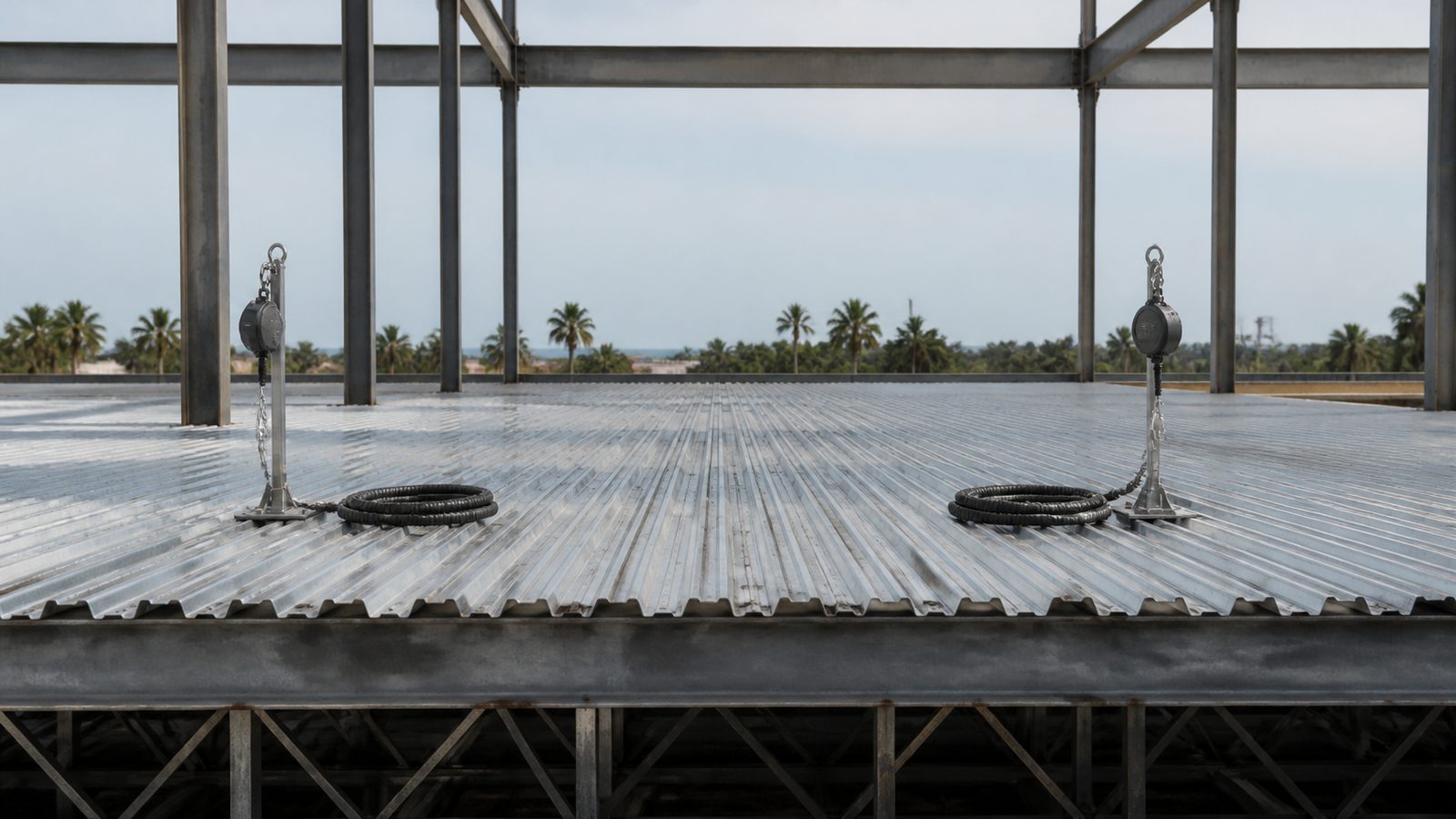
OSHA 30 certification means the supervisor completed a 30-hour construction industry safety course administered by an OSHA-authorized trainer. It covers fall protection, scaffolding, excavation, electrical, and struck-by hazards. For occupied-facility projects and hospital construction, OSHA 30 supervision is often contractually required.
What to ask: "Can you provide OSHA 30 certificates for every supervisor who will be on this project?" A sub who can't produce certificates for their supers is telling you something about how they run their sites. The certificate should show the supervisor's name, the training provider, and the completion date. Cards older than 5 years should trigger a refresher verification.
For drywall and framing crews specifically, OSHA 30 supervision matters for: scaffolding and lift operations, material handling (heavy LVL beams, drywall panels), temporary edge protection, and dust containment on occupied-site projects.
Step 4: Reference Calls — The Right Questions
References from the sub's sales team are not useful. You want to talk to GCs who finished projects with this sub — not developers the sub hand-picked because they had a good relationship.
Ask the sub for three GC references from projects completed in the last 12 months, with contact names and numbers. Then call and ask:
- Did the sub complete scope on schedule? If not, what caused the delay and how did they handle it?
- What did the punch list look like? How many open items at substantial completion? How long did it take to close them?
- Were there any billing disputes? Change order claims that weren't in the original scope?
- Would you use them again on a project of the same size and complexity? This is the most useful question. A lukewarm "probably" tells you everything.
- Who was the named supervisor on site? Is that the same person they're promising you?
That last question matters. A sub can show excellent references from a specific super who is no longer with their company. Confirm that the supervisor who ran the referenced projects is the same person who will run yours.

Step 5: Scope History — Project Size and Building Type
A sub's capability ceiling is a real thing. A framing crew that has delivered 30 single-family homes is not automatically qualified to frame a 120,000 sqft medical office building. The skills and supervision requirements are different at scale.
What to review:
- Largest single project delivered: gross sqft, contract value, building type
- Building types: residential, light commercial, medical, industrial — each has different structural and sequencing demands
- Concurrent project capacity: how many active projects are they running right now, and what is the named supervisor's availability for yours
Ask for a list of their last 10 projects with sqft, contract value, project type, and GC name. A sub who can't produce this list is either too small or not organized enough to be a reliable trade partner on a complex project.
Self-Perform vs. Staffing Agency: How to Tell the Difference
This is the most important distinction in trade partner vetting, and it's the one most GCs skip.
A self-perform sub owns their equipment, employs their crew on their payroll, and has named supervisors with consistent crew tenure. A staffing agency masquerading as a sub has a license and a COI but hires day laborers through a temp agency, doesn't own a single tool, and "manages" labor they have no supervisory control over.
Three questions that reveal which one you're dealing with:
- Do you own your equipment? Ask for a list: framing nailers, compressors, lifts, scaffolding, layout tools. A real self-perform sub has an equipment list. A labor broker does not.
- Are your crew members on your W-2 payroll? A self-perform sub can provide a payroll summary or workers' comp audit showing their classification. A labor broker pays through a staffing company.
- What is your average crew tenure? Self-perform subs with low turnover have crews who know how they work. A sub whose crew is "assembled per project" has no institutional knowledge to carry forward.
JK Prestige is a self-perform trade partner for GC partners across framing, drywall, and roofing. Our crews are on our payroll, our supervisors carry OSHA 30 certifications, and our equipment is owned and maintained by us. Request our trade packet — licensing, insurance certs, scope history, and references — before your next project breaks ground.
How JK Prestige Qualifies as a Trade Partner
When JK works as a trade sub for a GC partner, here's what we provide without being asked:
- DBPR license current and active (verifiable in real time)
- COI with GC named as additional insured; endorsement copies available
- OSHA 30 certificates for all supers on the project
- Reference list from GC partners on projects completed in the last 24 months
- Scope history by project type: framing, drywall, roofing, with sqft and contract value
- Named supervisor confirmed with start-date availability before scope award
- Equipment list by trade
See how JK structures trade partnerships from scope sheet to closeout
No call center. No coordinator. A JK principal reviews every inquiry and replies with a real number, not a range, not a follow-up form.
Request Free Estimate →