If your general contractor (GC) only contacts you when there's a problem or when they need a decision, you have no visibility into whether your project is on schedule, on budget, or heading toward a surprise. That information gap is where most owner-contractor relationships deteriorate — and where most cost overruns become impossible to dispute.
A weekly owner report changes that. It's a structured document, sent on a fixed day every week, that gives you a factual picture of where your project stands. Not a phone call. Not a verbal update. A written record you can reference, compare week to week, and use as a paper trail if something goes wrong.
Most GCs in Jacksonville don't send one. Here's what a real report covers and why it matters for your project.
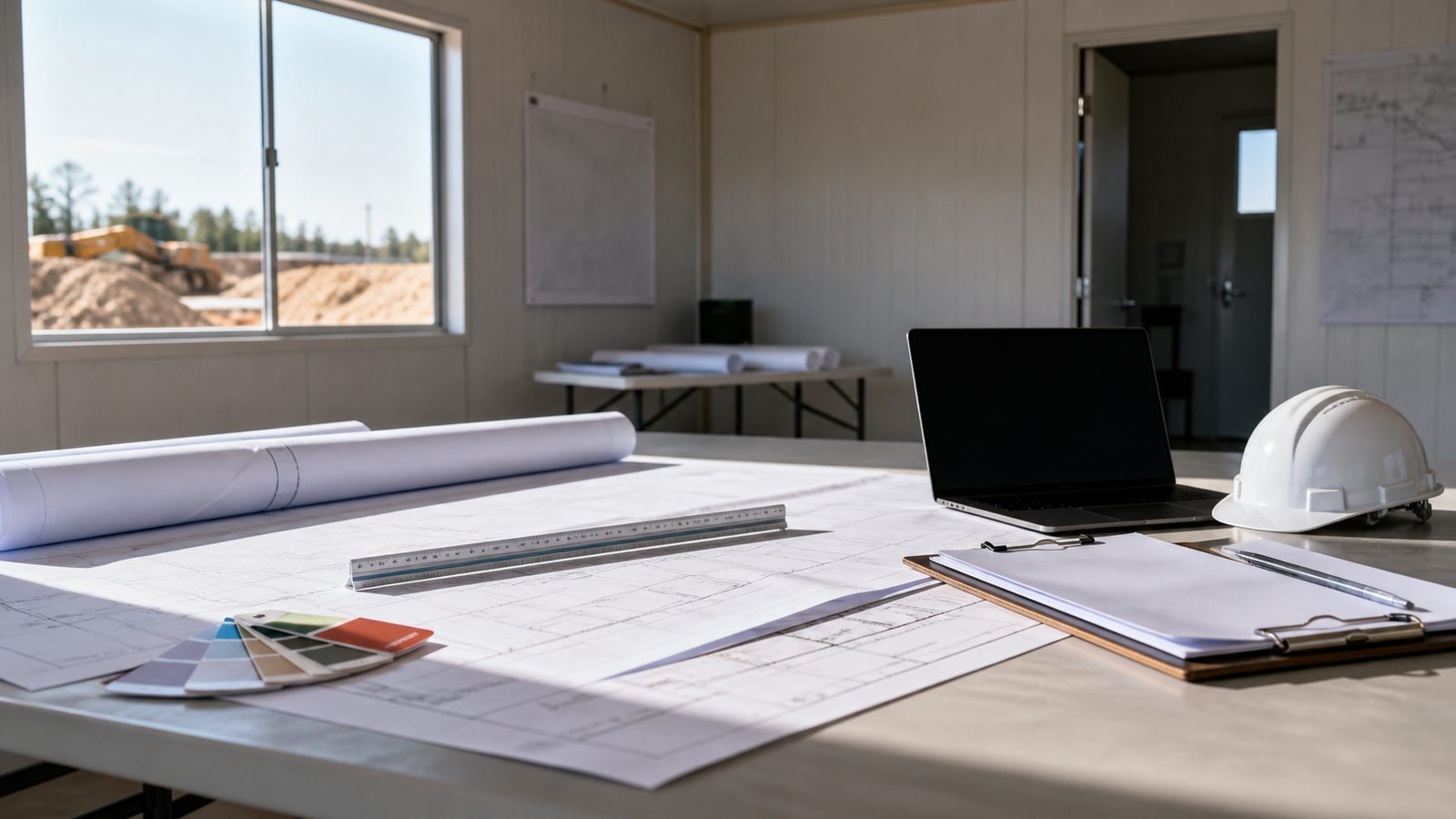
What a Weekly Owner Report Should Contain
A weekly report is not a photo dump or a paragraph summary. Each section serves a distinct purpose, and a missing section is a missing protection.
Budget Variance Report
The budget variance section compares what was budgeted for each line item against what has been spent or committed to date. This is the single most important section in the report — and the one most GCs omit.
Without a weekly budget variance, you learn about overruns when the GC submits a change order or invoices you for an amount that doesn't match the contract. By then, the work that caused the overage is already done. With a weekly budget variance, you see cost movement while there's still time to make decisions.
A proper budget variance section includes:
- Original contract line items
- Approved change orders to date (if any)
- Revised budget per line item
- Cost committed (contracts awarded, materials ordered)
- Cost to date (work completed and invoiced)
- Projected cost at completion
- Variance (projected vs. budgeted)
Any line item trending over budget by more than 5% warrants a conversation before it becomes a change order.
Schedule Status
The schedule section shows where the project stands against the original baseline. Not just "we're on track" — a line-by-line comparison of planned completion versus actual completion for each phase.
For a residential renovation or custom home build, this includes:
- Demolition complete vs. planned
- Framing complete vs. planned
- Rough MEP (Mechanical, Electrical, and Plumbing) in vs. planned
- Inspections passed vs. planned
- Drywall, paint, finish carpentry milestones
- Certificate of occupancy (CO) target date, current forecast, and any variance
A schedule that slips two days per week without being reported becomes a four-week delay by the time you notice it. Weekly tracking catches the drift early.
Open RFI Log
An RFI (Request for Information) is a formal question from the contractor to the designer or owner seeking clarification on the plans, specifications, or scope. Every unanswered RFI is a decision your project is waiting on. Some of them are waiting on you.
The weekly report should list every open RFI with:
- RFI number and subject
- Date submitted
- Who it's directed to
- Date response is needed (to stay on schedule)
- Current status
If you're getting a weekly report that doesn't include an RFI log, you may have open RFIs you don't know about — and when the schedule slips because a decision wasn't made, it's harder to dispute your role if you were never told the decision was pending.
Look-Ahead Schedule (Two-Week Window)
The look-ahead section is the most actionable part of the report. It shows specifically what work is planned for the next 10–14 days: which crew is on site, what tasks they're starting and completing, what inspections are scheduled, and what decisions or materials are needed before that work can begin.
This is where owner actions show up. If a material selection you haven't made is blocking the tile crew in ten days, the look-ahead tells you that before the tile crew arrives and waits.
A two-week look-ahead format:
- Week one: daily or task-level breakdown of planned work
- Week two: phased view of what follows
- Owner decisions or submittals due before each task can proceed
- Any material deliveries or long-lead items tracking
Site Photos
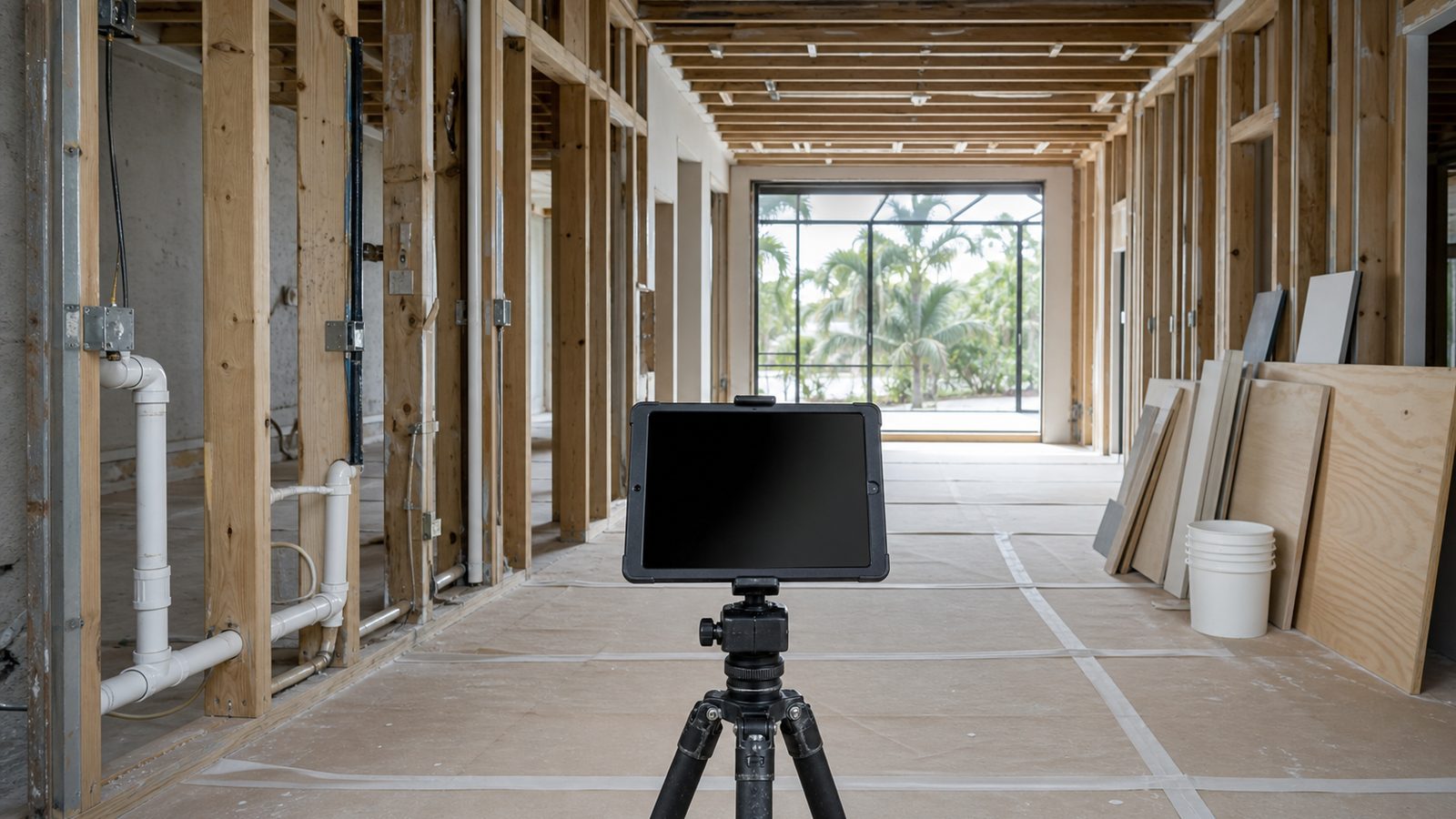
Photos should be dated, labeled by location, and cover:
- Active work areas showing current progress
- Concealed work before it's enclosed (framing, rough MEP, insulation) — these are the photos you need if there's ever a warranty dispute about what's inside a wall
- Any conditions discovered during construction that differ from plans
Photos of concealed work are the most important. Once drywall is hung, you cannot verify what's behind it without opening it back up. A documented photo of every exterior wall before insulation is installed, and every rough MEP before drywall, is a record of what was built.
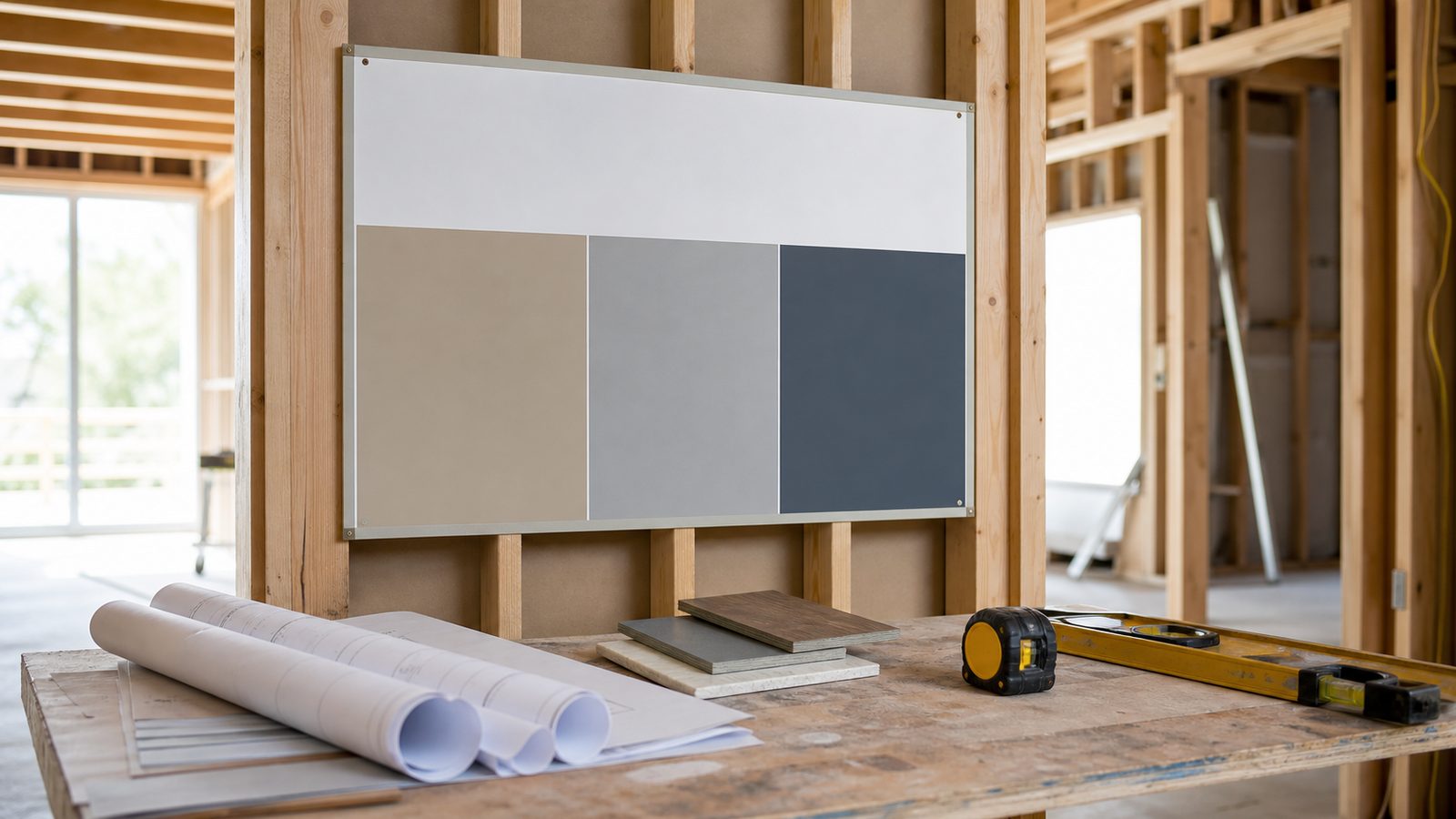
Why Most Jacksonville GCs Don't Send One
Producing a weekly report takes time. It requires the GC to track budget commitments in real time, maintain an updated schedule, log every RFI, and compile photos in an organized format. Most GCs don't have the operational infrastructure to do that consistently.
More practically: weekly reporting creates transparency that makes disputes harder to generate. A GC who sends a budget variance report every Friday cannot later claim a cost overrun was invisible until the final invoice. A GC who logs every RFI cannot claim you failed to respond to a request you were never told about. Transparency reduces the GC's ability to use information asymmetry against you — and some GCs prefer to maintain that asymmetry.
The reporting burden also falls on whoever is accountable for the project. At a corporate GC with multiple project managers and a coordinator layer, consistent weekly reporting gets deprioritized when teams are stretched. At a principal-led firm where one person owns the outcome, the reporting is a natural extension of the accountability model.
What JK Prestige Sends Every Week
JK Prestige Constructor Corp sends a written weekly owner report on every project — no exceptions. The report covers budget variance, schedule status, open RFIs, a two-week look-ahead, and dated site photos including concealed-work documentation.
In addition to weekly reports, every JK Prestige project includes:
- Owner portal with 24/7 access to live schedule, RFI log, submittal tracker, and photo documentation
- 48-hour written response guarantee on any owner question or decision request
- Monthly site walk with the principal — not a superintendent handoff
- Year-one workmanship warranty with the principal's name on it
The JK Way details the full communication and reporting structure we commit to before any contract is signed. It's not a perk. It's how we operate on every project.
You can see the range of work this model has produced on our projects page. For homeowners in Duval County and Northeast Florida considering a renovation, our renovations page covers how we scope, price, and report on residential gut-renos from demo through CO.
Get a free written estimate in 48 hours. contact JK Prestige here or call (904) 944-0278. A principal answers.
No call center. No coordinator. A JK principal reviews every inquiry and replies with a real number, not a range, not a follow-up form.
Request Free Estimate →