You've watched your building go up for months. Walls are painted. Floors are in. The HVAC is running. It looks finished. But if the city hasn't issued the certificate of occupancy (CO), you cannot legally move in — and your insurance likely won't cover you if something goes wrong while you do.
The CO is not a formality. It is the local building authority's certification that the structure was built to code, all required inspections were passed, and the building is safe for its intended use. Understanding what triggers the final inspection and how long the process takes in Duval County helps owners plan their move-in timeline with accurate expectations.
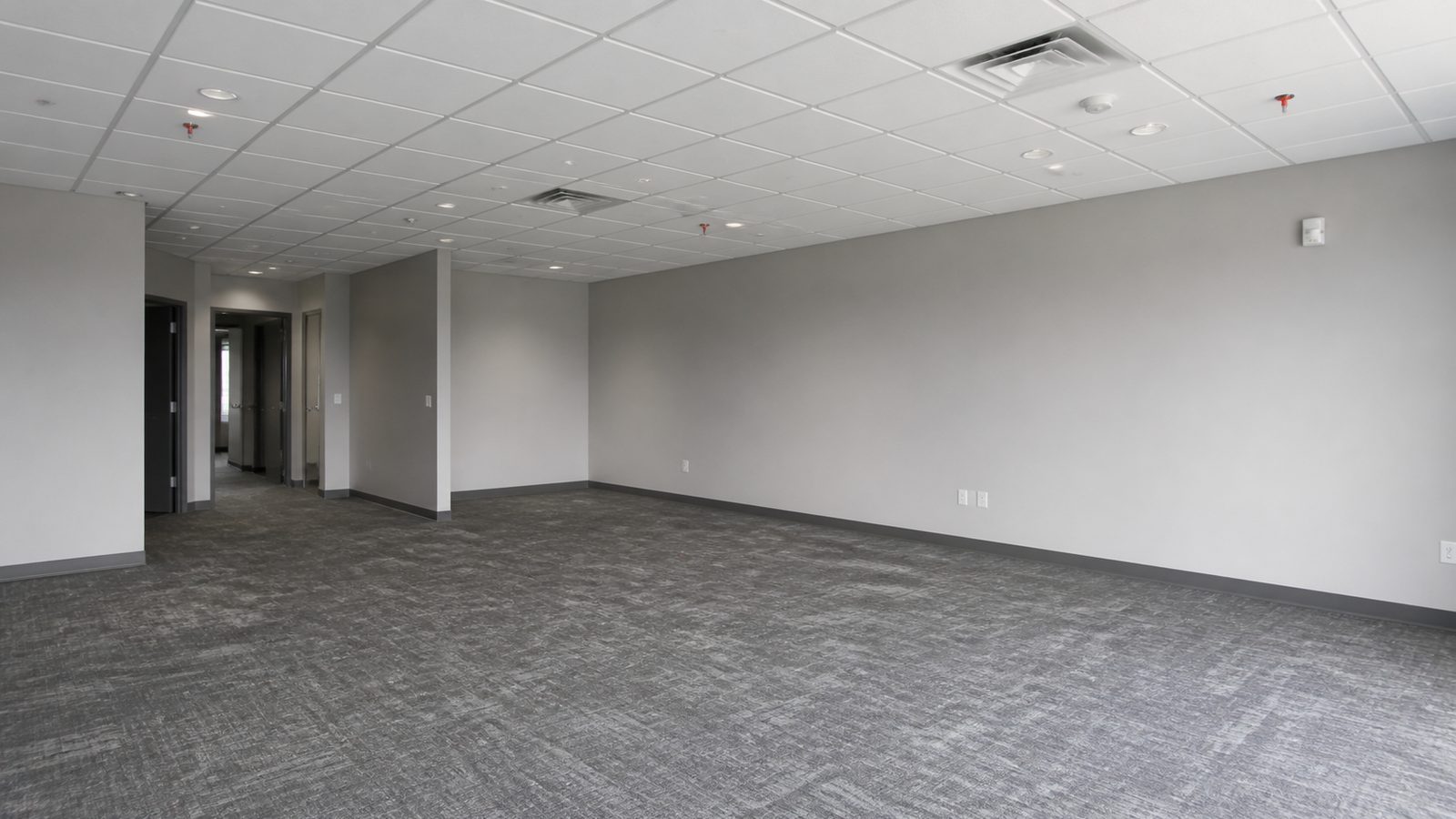
What a Certificate of Occupancy Is
A CO is a legal document issued by the local building authority — in Jacksonville, that's the City of Jacksonville's Building Inspection Division — that certifies a newly constructed or significantly renovated building meets all applicable building codes and is authorized for occupancy.
Every building that receives a building permit must receive a CO before it can be legally occupied. For commercial buildings, the CO specifies the permitted occupancy type (office, retail, warehouse, restaurant, medical) because different occupancy types have different code requirements for egress, fire suppression, ventilation, and occupant loads.
For single-family residential construction, the CO confirms the home meets the Florida Building Code, Florida Fire Prevention Code, and all local amendments before the owner moves in.
For renovation projects, a CO may be issued as a certificate of completion if the renovated space was already legally occupied — the specific document type depends on the scope and jurisdiction.
What Has to Happen Before the Final Inspection Is Requested
The final inspection is the last in a series of required inspections that happen throughout construction. You cannot request the final inspection until all preceding inspections are passed and all required activities are complete. In Duval County, the sequence typically includes:
Required Inspections That Must Pass First
Structural inspections: Foundation reinforcing (before concrete is poured), framing (before drywall covers the structure), masonry (where applicable), and any special structural systems. If any of these fail, they must be re-inspected and approved before work can proceed.
MEP rough-in inspections: Plumbing rough-in (before walls close), electrical rough-in (before insulation), and mechanical rough-in (before drywall). Each trade has its own inspector and its own inspection card.
Insulation inspection: Insulation is inspected before drywall is installed. In Florida, energy code compliance (Florida Energy Efficiency Code) requires documentation of the insulation R-values and the overall building envelope performance.
Fire suppression inspection: If the building has a fire sprinkler system, the sprinkler contractor must conduct a full-system pressure test and flow test in the presence of the fire marshal's office. The system must be accepted before the CO can be issued.
Fire alarm inspection: Fire alarm systems require a full functional test — every detector, every pull station, every notification device — in the presence of the authority having jurisdiction (AHJ). For commercial buildings, this is typically the Jacksonville Fire and Rescue Department.
Elevator inspection: If the building has an elevator, the Florida Department of Business and Professional Regulation (DBPR) conducts the elevator inspection and issues a separate elevator operating permit. This must be in hand before the CO is issued for commercial occupancy.
Additional Items Required Before Final Inspection Request
Beyond the inspection sequence, these items must be complete before the final inspection is requested in Duval County:
- As-built drawings submitted: Many jurisdictions require as-built drawings (construction documents revised to show what was actually built, as opposed to what was designed) to be submitted and accepted before CO.
- Energy compliance certifications: The contractor must submit signed certifications documenting insulation values, HVAC equipment efficiency, and window ratings.
- Truss engineering submittals: For wood-framed roof systems using engineered trusses, the truss shop drawings and engineering must be on file with the building department.
- Grease trap inspection (for restaurants and food service): The grease interceptor must be inspected and accepted before restaurant occupancy.
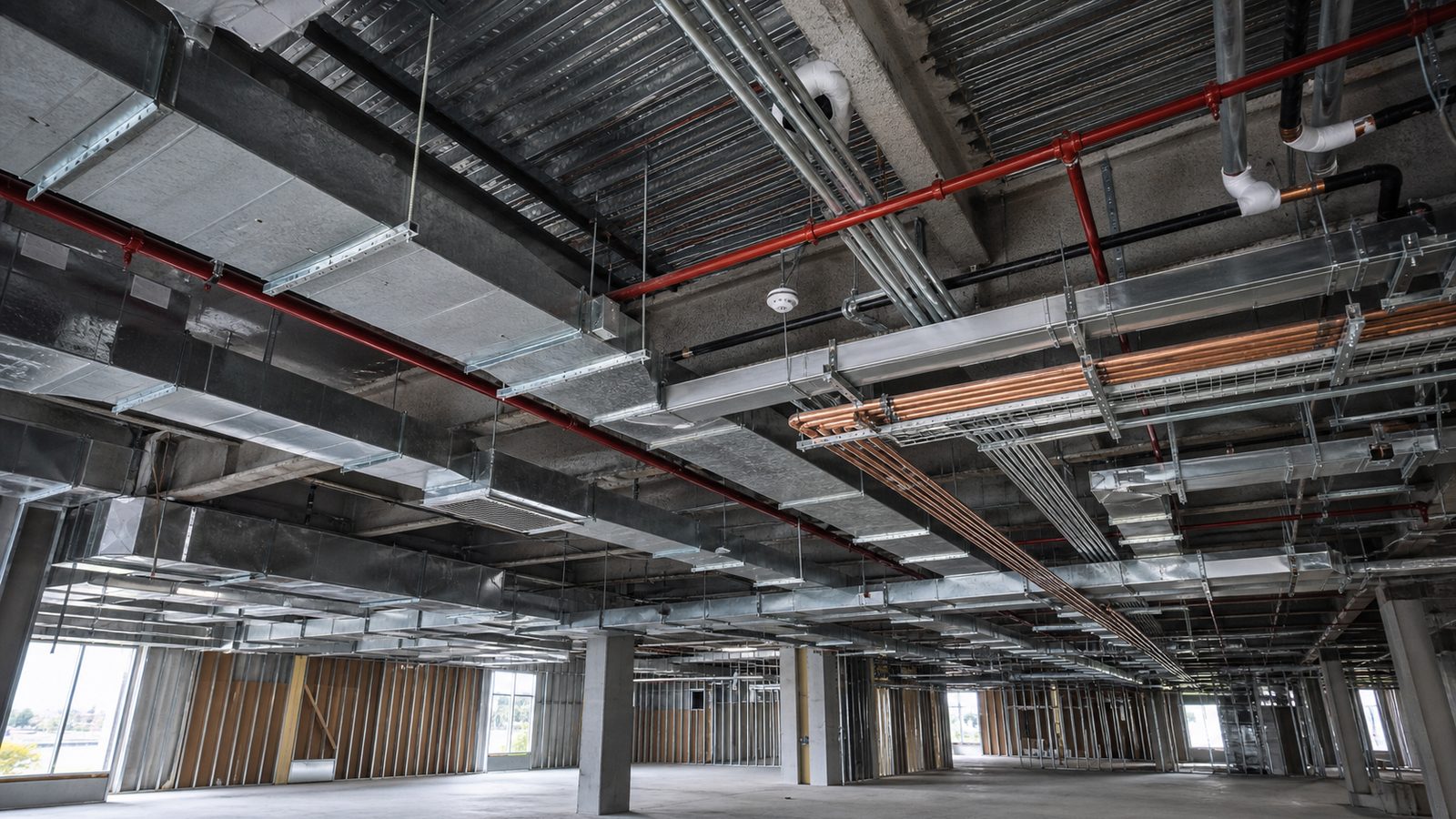
What Happens If You Move In Before the CO Is Issued
Occupying a building in Florida before the CO is issued is illegal. This is not a technicality that can be worked around or ignored without consequence.
Insurance is void or severely limited. Most commercial property and liability policies are written contingent on legal occupancy. An insurance carrier who discovers that a claim occurred in an illegally occupied building will deny the claim. The denial will hold up in court.
You are personally liable for code violations. The building owner, not the GC, is typically cited for an illegal occupancy violation. Citations in Duval County can run from a few hundred dollars per day to significant fines for extended violations.
Financing may be jeopardized. If you're using a construction loan that converts to permanent financing at CO, occupying before CO may trigger a loan covenant violation. Contact your lender before occupying.
Your tenants or employees may be at risk. A building without a CO hasn't had its life-safety systems — fire alarms, sprinkler systems, emergency egress — verified as complete and functional by the authorities. It may not be safe.
The pressure to occupy before CO is understandable — lease start dates, business opening dates, equipment delivery schedules. But the risk of occupying before CO is real and significant.
How Long Does the CO Take in Duval County After Final Inspection?
The timeline has two parts: getting to the final inspection, and getting the CO after the inspection passes.
Getting to final inspection: This depends entirely on whether all preceding inspections are passed on the first attempt, whether all required certifications and as-builts are submitted, and whether the fire and elevator inspection tracks are completed on time. A project that manages these parallel tracks actively can reach final inspection readiness in its last week of construction. A project that discovers a missed rough-in inspection after drywall is installed can add two to four weeks.
After the final inspection passes: In Duval County, the CO is typically issued within one to three business days after the final inspection is approved. Some inspections are issued same-day electronically; others require a brief administrative review period.
The GC's job in the weeks before substantial completion is to manage the inspection sequence proactively — not to schedule each inspection only after the previous one is complete, but to maintain the schedule so inspections happen in the right sequence without gaps.
JK Prestige and the CO Process in Florida
JK Prestige Constructor manages the full inspection sequence from permit issuance through CO. This includes scheduling all required inspections, coordinating the fire and elevator inspection tracks, submitting as-built packages, and managing any correction items from failed inspections.
The inspection process is tracked in the owner portal — every scheduled inspection, every result, and every open correction item is visible. When a correction is needed, our own crews — who self-perform framing, drywall, and roofing — are dispatched immediately rather than waiting for a subcontractor callback.
For renovation projects, the CO or certificate of completion process follows the same disciplined track. The JK Way documents the full project closeout sequence, and the named principal manages it from beginning to end.
If you're building or renovating in Jacksonville and want to understand what a properly managed CO process looks like for your project type, contact JK Prestige Constructor. Call (904) 944-0278. A principal answers.
No call center. No coordinator. A JK principal reviews every inquiry and replies with a real number, not a range, not a follow-up form.
Request Free Estimate →