Traditional construction scheduling works like this: the GC creates a Gantt chart at project kickoff, assigns dates to every trade, and distributes the schedule. Everyone is expected to follow it.
It doesn't work. Anyone who has spent time on a complex construction project knows that the Gantt chart is out of date before the first monthly update. The framing runs a week behind, the MEP rough-in gets pushed, drywall starts late, and every trade downstream absorbs the delay. By month four, the schedule is a reference document that bears little relationship to what's actually happening on the site.
The Last Planner System (LPS) is a different approach. It's a scheduling methodology developed over decades of construction research, based on a simple insight: the people who actually do the work — trade foremen and supervisors — are more reliable planners than the GC sitting in a trailer working from a project management software template.

What LPS Is and What It Replaces
Traditional scheduling is push planning: the GC pushes work onto the trades through a master schedule. "Framing starts Monday" appears on the schedule because that's when the GC needs it to start, not necessarily because framing is ready to start.
LPS is pull planning: the people who do the work plan backward from the project milestones. Instead of the GC telling framing "you start Monday," the framing super says "I can start Zone A framing on Monday if I have confirmed access to the north wing and materials on the deck by Friday." The commitment comes from the person who owns the work.
This distinction matters because commitments from the person doing the work are more reliable than commitments made by someone else on their behalf. When the framing super says "I can close Zone A by Thursday," they own that commitment. They know their crew, their current progress, their equipment status, and their material delivery schedule. The GC doesn't have that knowledge — the foreman does.
The Six-Week Lookahead
LPS operates at three planning horizons simultaneously:
Master schedule: The project baseline — what needs to be done by when at the milestone level. This is the Gantt chart equivalent, set at project start.
Phase schedule (pull plan): A medium-term plan, typically 6-12 weeks, developed collaboratively with trade foremen. Each trade works backward from the phase milestone and identifies what they need to accomplish each week, and what they need from other trades to do it. Pull planning is a collaborative workshop — everyone in a room with sticky notes on a wall, building the sequence together.
Six-week lookahead: A rolling window of specific, commitmentable work. Each week, trade foremen update what they will accomplish in the next six weeks. The lookahead is the document that drives the weekly planning meeting.
Weekly work plan (WWP): What each trade commits to accomplishing in the current week. This is the commitment that's tracked and measured.
PPC: Percent Plan Complete
PPC (Percent Plan Complete) is the measure of whether weekly commitments were met. At the end of each week, the team reviews the prior week's commitments:
- Zone A framing: committed to close by Friday. Did it close? Yes = complete. No = incomplete.
- Zone B MEP rough-in: committed to 80% complete by Thursday. Was it 80% complete? Yes = complete. No = incomplete.
PPC is calculated: (commitments completed) / (total commitments made) × 100
A team hitting 80% PPC consistently is a high-performing team. Industry average on projects not using LPS is often below 50%. Every missed commitment is a data point that goes into the 5-Why analysis.
What a Failed Commitment Triggers: The 5-Why
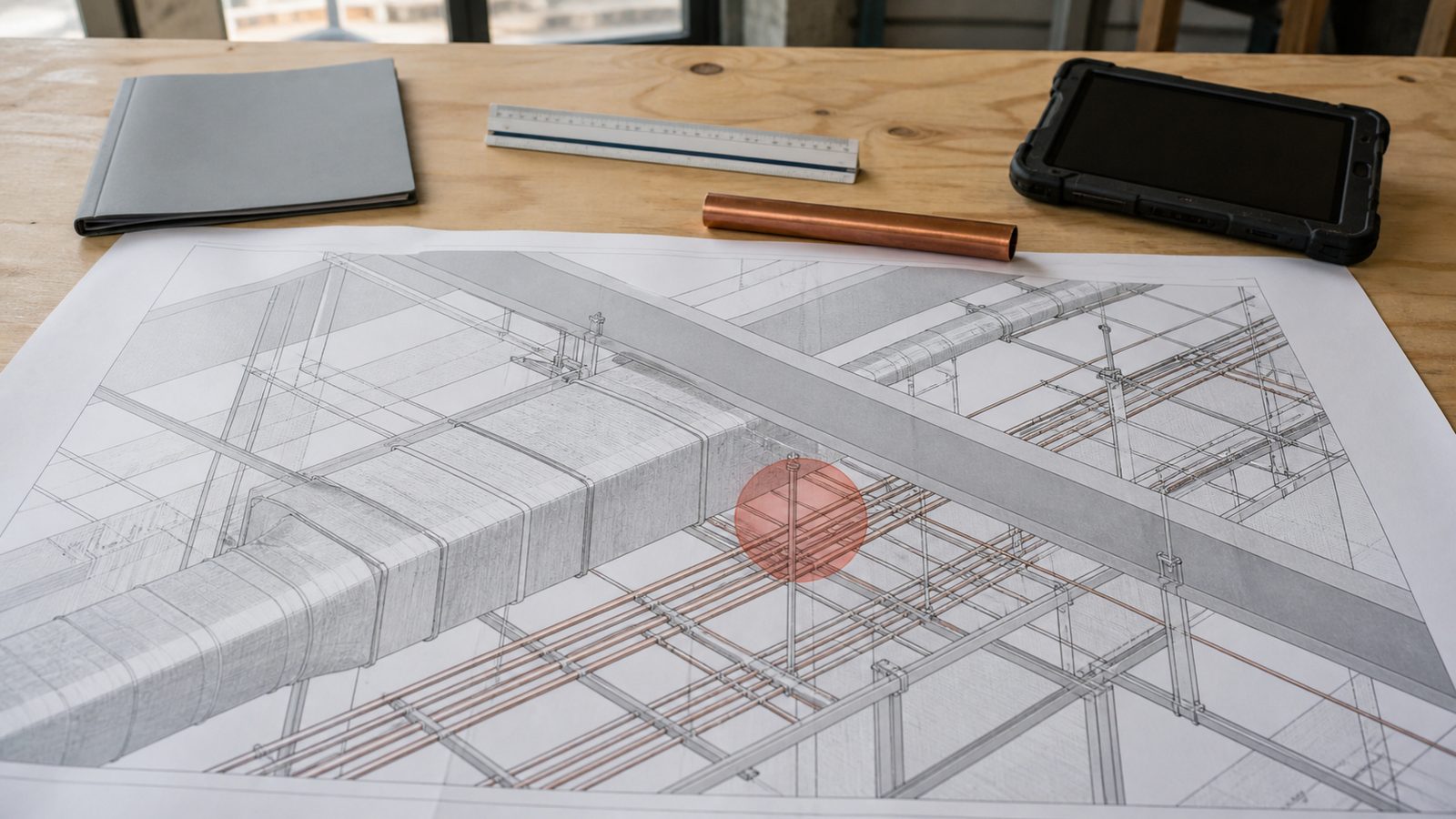
When a trade misses a weekly commitment, LPS doesn't assign blame. It asks "why." The 5-Why root cause analysis is the tool for understanding what actually prevented the commitment from being met.
Example: The drywall crew committed to completing Level 4 finish on the third-floor east wing by Friday. They completed 60%.
- Why #1: The crew ran out of joint compound mid-week.
- Why #2: The material order was placed but delivered to the wrong location.
- Why #3: The delivery driver used the wrong site address from the purchase order.
- Why #4: The purchase order was generated from an outdated template with the old staging area address.
- Why #5: The template was never updated when the staging area moved in week two.
Root cause: A process failure in materials ordering — not the drywall crew's performance. The fix isn't "tell the drywall crew to try harder." The fix is to update the materials ordering template and implement a delivery confirmation protocol.
This is the power of 5-Why: it moves the team from blame to problem-solving. Blame doesn't prevent the next missed commitment. Understanding the root cause does.
Why LPS Produces Better Schedules
Three reasons LPS outperforms traditional top-down scheduling on complex projects:
Commitment reliability: Commitments come from the people doing the work. They know what they can deliver. A framing super who commits to completing Zone A doesn't make that commitment unless they're confident — because they know they'll be in the room next Monday explaining whether they hit it.
Prerequisite identification: Pull planning reveals what each trade needs from other trades to do their work. Framing needs confirmed access to the zone. MEP rough-in needs framing inspected and approved. Drywall needs MEP rough-in signed off. This dependency mapping produces a schedule where each trade starts only when their prerequisites are actually met — not when the master schedule says they should start.
Rapid problem identification: The weekly PPC review and 5-Why process identifies problems while they're still small. A missed commitment in week three is fixable. The same issue, unaddressed, becomes a three-week delay by week eight. LPS surfaces problems when they're still problems rather than when they've become crises.
LPS on Healthcare and Complex Commercial Projects
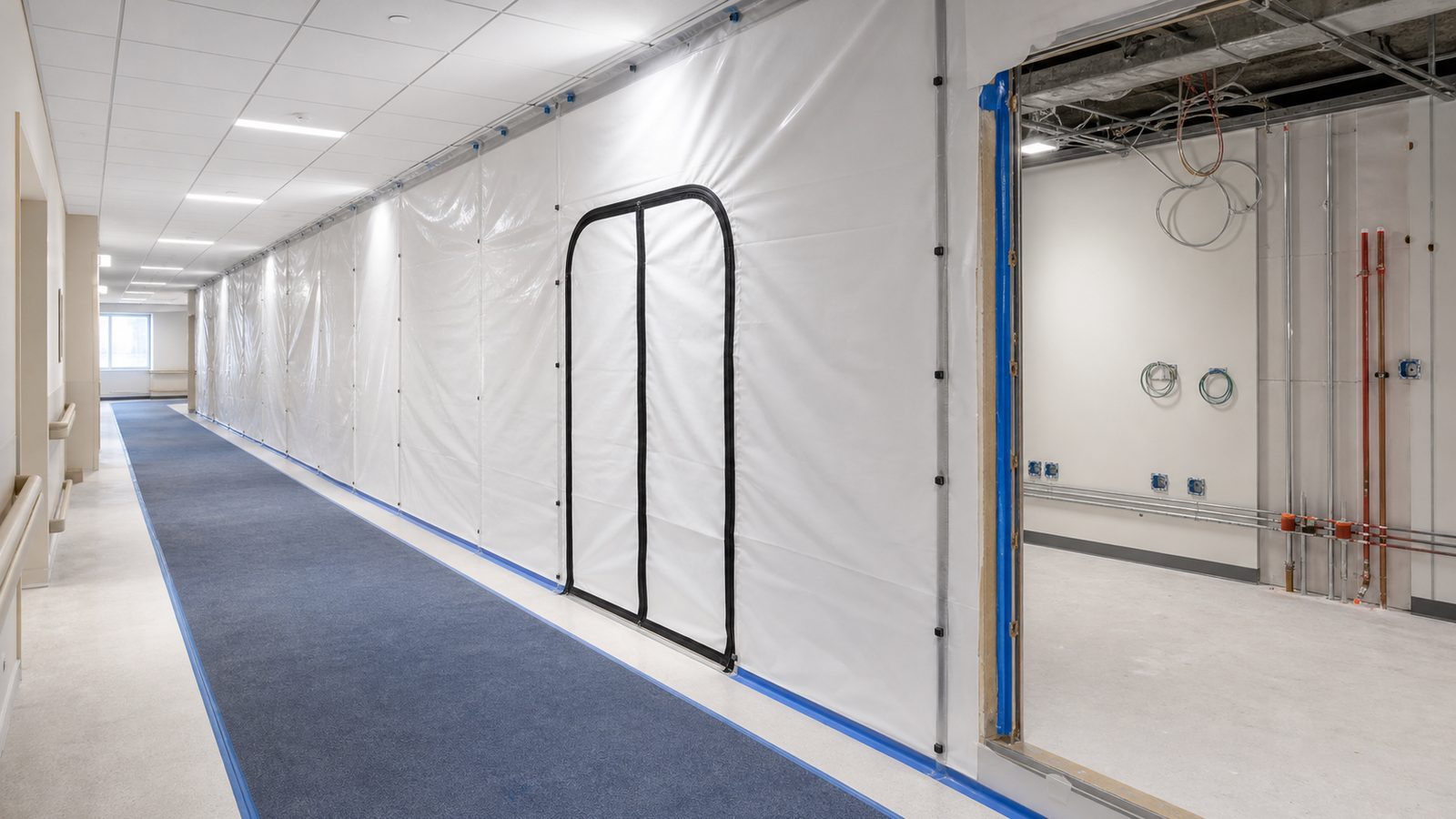
LPS is particularly valuable on healthcare projects, where the interaction between active clinical operations and construction sequencing must be precise. A pull plan for a hospital phased renovation coordinates construction work with infection control zone changes, patient relocation, and utility shutdowns — all of which must happen in the right sequence or patient safety is affected.
On occupied-building projects, the 6-week lookahead is also the communication tool for the owner's facilities team: they can see exactly which zones will be affected by construction activity in the coming weeks and plan their operations accordingly.
JK Prestige uses LPS on all projects over $2M. The weekly planning meeting includes JK's superintendent, all trade foremen on active scope, and a JK principal on complex or hospital projects. PPC is tracked and reported to the owner in the weekly written report.
The JK Way covers the full scheduling and reporting process, including how LPS integrates with the owner portal where the owner sees the six-week lookahead in real time. For hospital and healthcare construction specifically, JK's healthcare expertise covers how LPS is used to coordinate construction around active clinical operations.
Schedule a project conversation with a JK principal — (904) 944-0278.
No call center. No coordinator. A JK principal reviews every inquiry and replies with a real number, not a range, not a follow-up form.
Request Free Estimate →