At substantial completion — the point when the building is sufficiently complete for occupancy — the project hasn't actually finished. It has reached the beginning of the final phase: the punch list.
A punch list is a written document that records every item that must be corrected or completed before the project reaches final completion. It is generated during a formal walkthrough with the owner, architect, and general contractor (GC). Nothing on the list is a surprise — it's a structured accounting of what's missing, wrong, or incomplete.
Getting this phase right matters as much as everything that came before it. This post explains what a punch list contains, who is responsible for clearing it, and how to protect yourself as an owner from a punch list that drags for months.
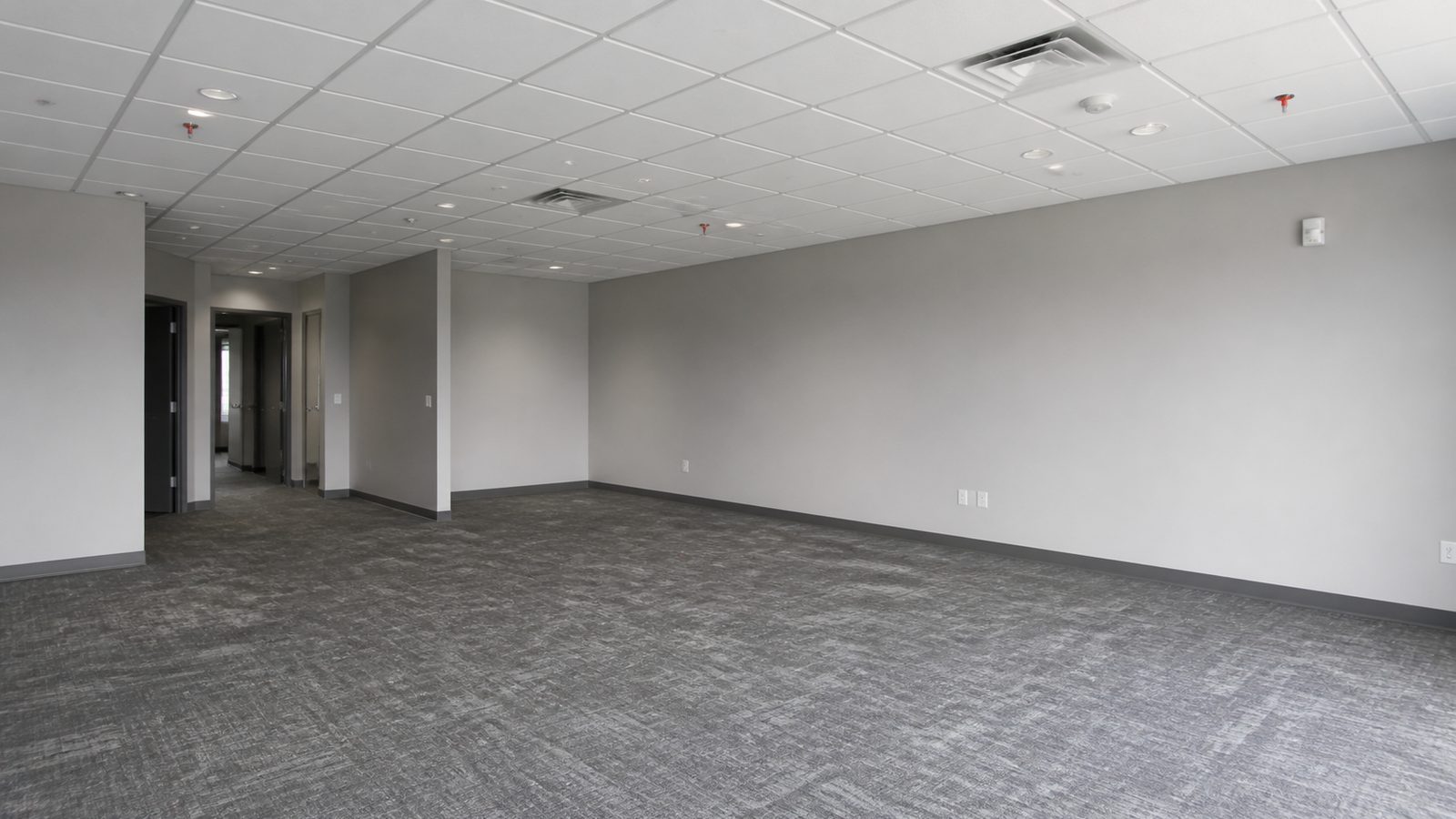
What Goes on a Punch List
Punch list items are deficiencies — things that either weren't done or weren't done correctly. The range is wide:
- Wrong paint color applied in a room
- Door hardware missing (knob, lockset, hinge cap)
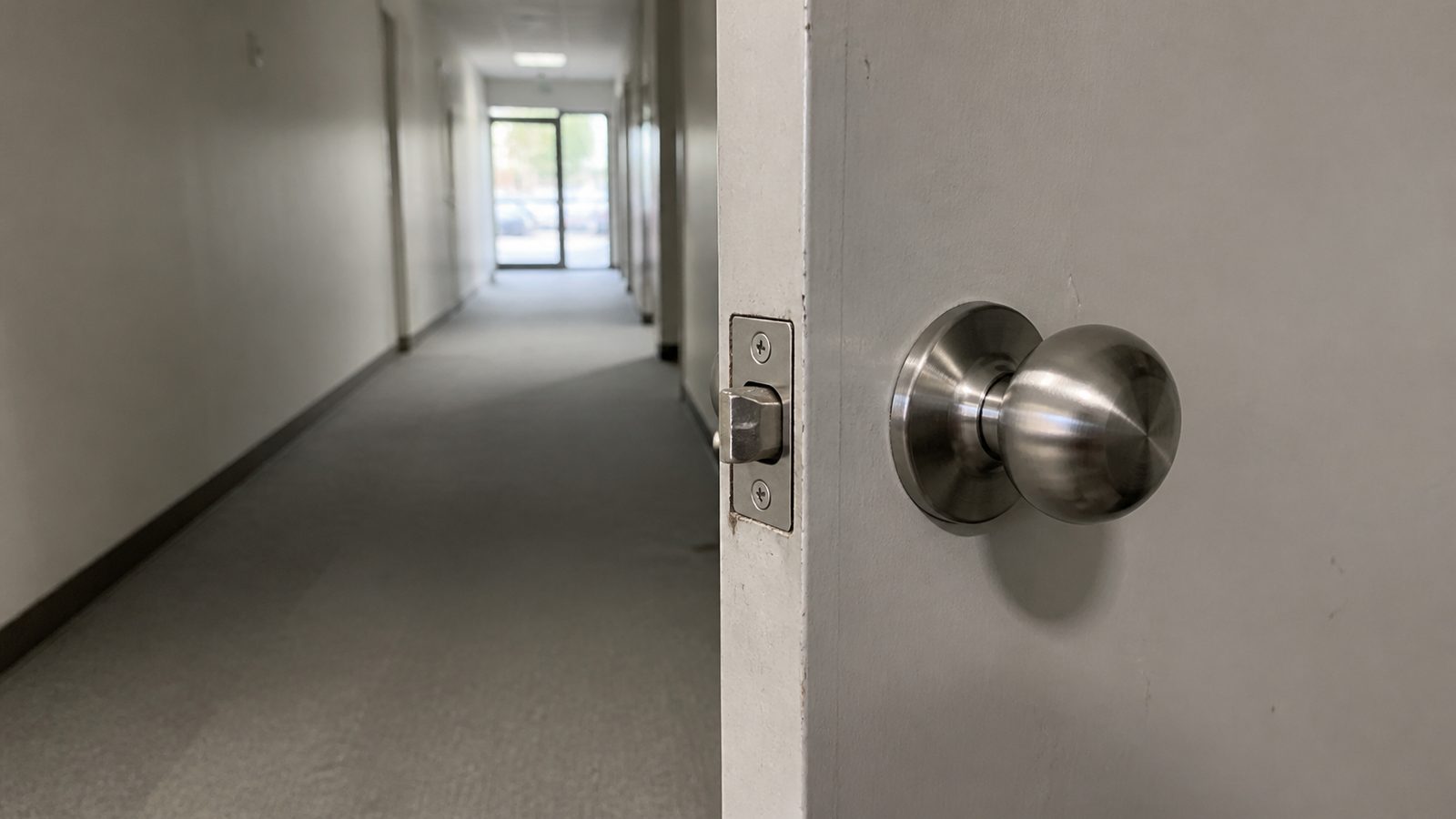
- Interior door that doesn't close flush or latch properly
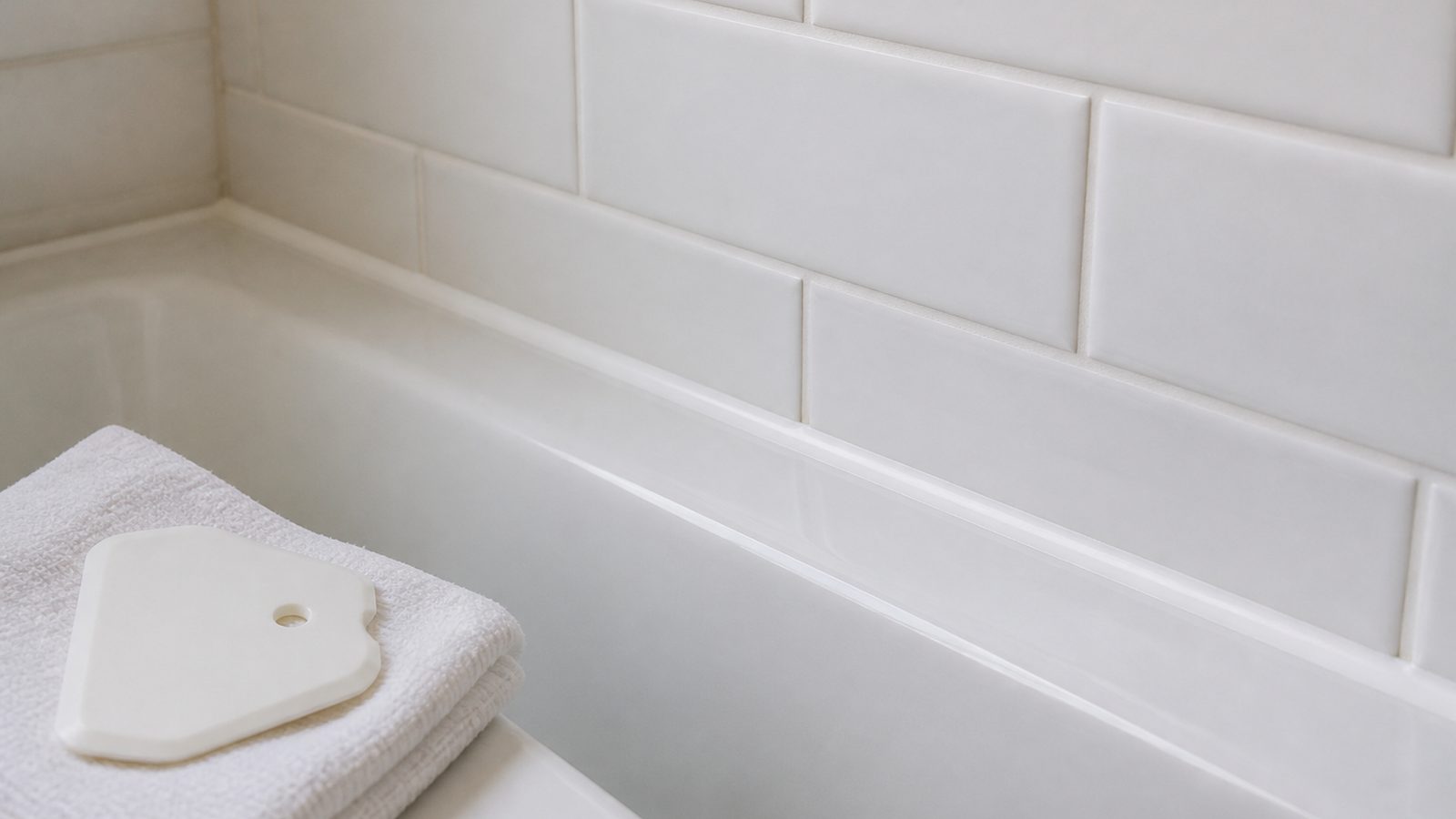
- Caulk missing at a window or tub surround
- Scratch in a hardwood floor installed by the finish crew
- Light fixture not functioning (bulb, wiring, or fixture issue)
- Grout color mismatch in tiled areas
- Cabinet door not aligned or not holding position
- Electrical cover plate missing at an outlet box
- Slab crack requiring repair
- HVAC register not secured to ceiling
- Fire-rated assembly with an unsealed penetration
On a large commercial project, the punch list can run 200 to 400 items. On a residential gut-reno, 30 to 80 items is typical. On a hospital, the punch list process runs in parallel with commissioning activities and can involve hundreds of inspection and testing items in addition to physical deficiencies.
None of these items are reason to delay occupancy — that's the point of calling the project "substantially complete." The building works. The items are correctable. But they must be corrected before final payment is released.
Who Generates the Punch List
The punch list walkthrough is a formal event — not a casual stroll through the building. It typically involves:
- The GC — usually the principal or superintendent
- The owner — or the owner's representative
- The architect or designer — who reviews work against the contract drawings and specifications
Each party walks every space, documents deficiencies with specific location references (Room 104, north wall, upper corner), and assigns a responsible trade where identifiable. The combined list is compiled into the formal punch list document, which is then distributed to all parties.
Some GCs conduct a pre-punch walkthrough before the formal owner walkthrough — their own internal quality review intended to catch and correct obvious items before the owner sees them. This is a sign of a GC who manages quality proactively rather than reactively.
Who Is Responsible for Clearing the Punch List
The GC is responsible for clearing every item on the punch list. Full stop.
If a subcontractor's crew installed a door that doesn't latch, the GC's obligation to the owner is to have that door fixed. Whether the GC then back-charges the subcontractor is between the GC and the sub — it is not the owner's problem. The owner has a contract with the GC, not with the framing or finish carpentry subcontractor.
This is where the self-perform advantage matters. At JK Prestige Constructor, our own crews handle framing, finish carpentry, drywall, and roofing. When a punch list item involves work performed by our crews, there is no subcontractor coordination required. The principal calls the crew, and the crew returns. No negotiation, no delay waiting for a sub to schedule a callback.
On items that involve a trade JK doesn't self-perform — specialty MEP, elevator, glazing — JK coordinates the subcontractor's return, confirms the work is done to spec, and closes the item. The owner's contact for all of this is one number: the principal's direct line.
What Owners Should Do to Protect Themselves
Get the Punch List in Writing Before the Walkthrough
Before the formal walkthrough, confirm with the GC that the punch list will be generated in writing — a formatted document with room numbers, description of the deficiency, the trade responsible, and a target completion date per item. A verbal punch list is no punch list at all.
Set a Deadline for Resolution — in Writing
The punch list should have a completion deadline agreed upon before the walkthrough happens. A common structure: all punch list items completed within 30 days of substantial completion. Items discovered after closeout that fall within the warranty period are handled separately under the warranty provisions.
If the deadline is not in writing, the GC has no contractual pressure to close items quickly. Items left open for 60, 90, or 120 days are not unusual on projects without written deadlines.
Don't Release Final Payment Until the Punch List Is Cleared
Final payment — typically the last 5% to 10% of the contract value — should not be released until every punch list item is corrected and accepted by the owner and architect.
Some owners release final payment under pressure to "just be done with it," then spend months trying to get punch list items corrected from a GC who has no financial incentive to return. Don't do this. The retained amount is your leverage. Use it.
Document the Walkthrough
Take your own photos during the punch list walkthrough, organized by room and item. These photos serve two purposes: they document the condition at substantial completion (useful for warranty discussions later), and they create a personal record if the GC disputes a punch list item.
The Difference Between Punch List and Warranty
These are often confused. The punch list covers deficiencies that exist at substantial completion — items that weren't completed or were completed incorrectly. The warranty covers defects that emerge after occupancy during the warranty period.
If the drywall taping is visibly bad on the day of the walkthrough, that's a punch list item. If the drywall looks fine at walkthrough and develops cracks after occupancy due to improper taping, that's a warranty claim.
On a JK Prestige project, the one-year workmanship warranty begins at the certificate of occupancy (CO). Post-occupancy warranty calls go directly to the named principal — not a call center, not a warranty intake coordinator. See how the full warranty process works in The JK Way.
JK Prestige's Approach to Punch List Closeout
JK Prestige runs an internal pre-punch walkthrough before inviting the owner for the formal walkthrough. Our superintendent and principal walk the project together, generate an internal punch list, and close as many items as possible before the formal event.
The goal is that the formal punch list — the one the owner and architect see — is short. Not because items were hidden, but because items were found and fixed before the walkthrough.
After the formal punch list is agreed upon, JK provides a written closeout schedule: a list of every open item with an assigned crew and a target close date. The owner receives a status update as items are cleared. The principal's direct number is in the contract for every question during this phase.
If you are planning a ground-up project, renovation, or custom home build in Jacksonville or Northeast Florida and want to understand how JK handles quality control from framing through punch list closeout, request a free estimate. Call (904) 944-0278. A principal answers.
No call center. No coordinator. A JK principal reviews every inquiry and replies with a real number, not a range, not a follow-up form.
Request Free Estimate →