Construction projects run on information. A GC who doesn't have a clear answer about which beam goes where, which product type is correct, or how two conflicting details should be resolved cannot build that portion of the project. Work stops until the answer arrives.
An RFI (Request for Information) is the formal mechanism for asking the question. It's a written document — numbered, tracked, and assigned to a specific reviewer — that asks the architect, engineer, or owner to clarify an ambiguity, resolve a conflict, or provide missing information in the construction documents.
A healthy project has RFIs moving quickly: issued, responded to, closed. An unhealthy project has RFIs sitting open for weeks while the affected work is on hold.
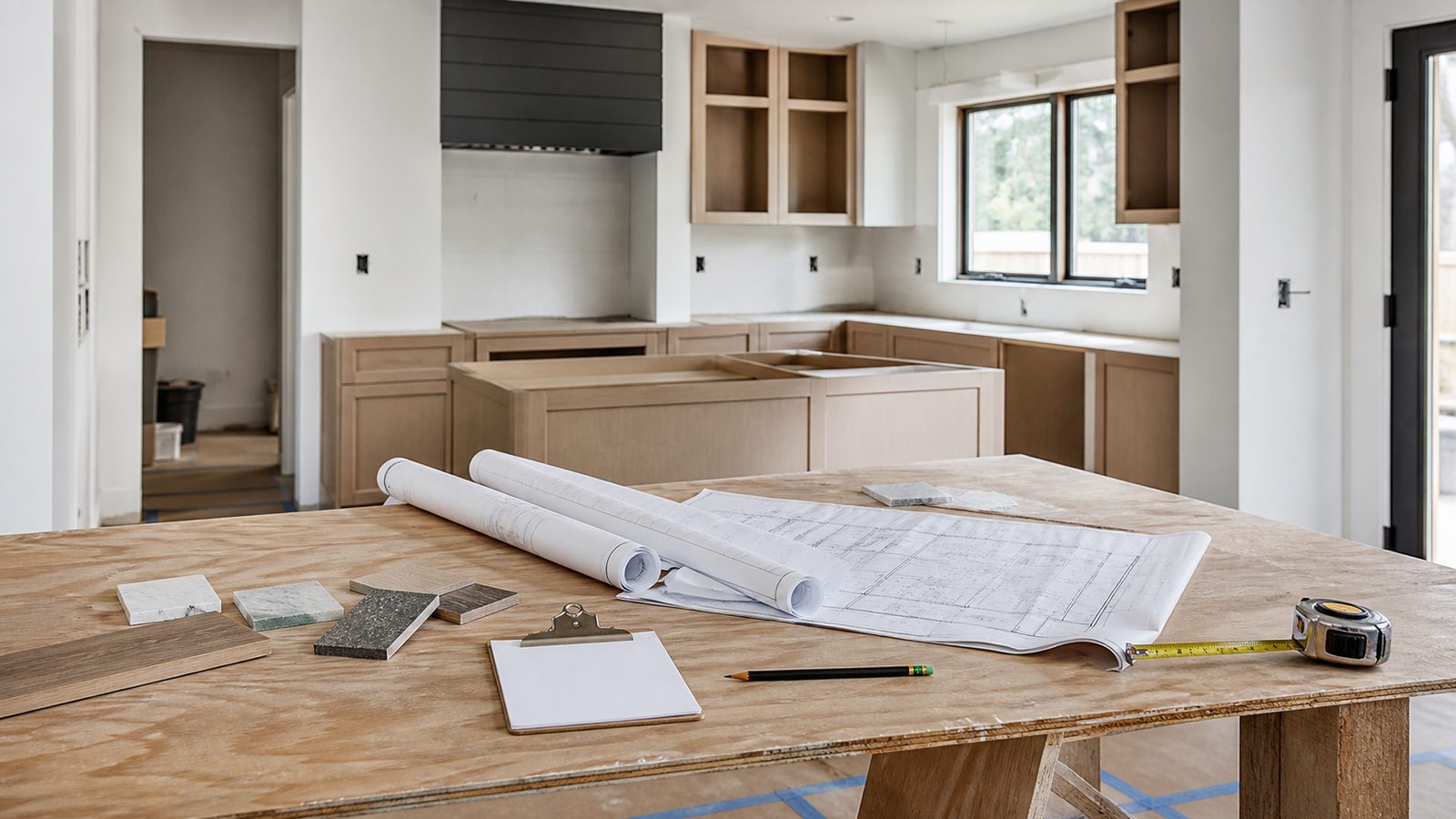
What an RFI Is and What It Isn't
An RFI is a formal written question from the contractor (GC or sub) to the design team (architect, structural engineer, MEP engineer) or the owner. It asks for clarification on something that is ambiguous, contradictory, or missing in the construction documents.
Examples of legitimate RFIs:
- "The structural drawing on sheet S-201 shows a W8x31 beam at gridline C7. The architectural reflected ceiling plan on sheet A-501 shows a ceiling height at that location that doesn't accommodate the beam depth plus MEP clearance. Which changes — the beam size or the ceiling height?"
- "Sheet E-201 shows panel 'LPA' feeding the third-floor east corridor circuits. Sheet E-203 shows the same panel feeding the fourth-floor west corridor. Which is correct?"
- "The specifications section 09 29 00 calls for Type X gypsum board in all corridor walls. Sheet A-301 notes 'Type C gypsum board' at the same locations. Which governs?"
- "The civil drawings show a 6-inch storm drain running through the footprint of proposed footing at column B4. Please confirm the required action."
What an RFI is not:
- A way to get paid for scope that was included in the original contract ("We request clarification that the owner intended for us to provide additional blocking at all cabinet locations")
- A vehicle to delay work indefinitely while waiting for a response to a non-critical question
- A substitute for reading the documents carefully before starting work
The distinction matters because some GCs use RFIs strategically — to document that they raised a question before starting work that later becomes a change order, or to create a paper trail for a delay claim. Owners and architects who see large RFI volumes should distinguish between legitimate coordination questions and RFI-as-strategy.
Why Unanswered RFIs Kill Schedules
When a GC issues an RFI on an item affecting active work, the standard response to that situation is to stop work in the affected area until the answer arrives. This is the safe and professionally appropriate response — proceeding without clarity risks building something wrong that has to be torn out.
The problem is that RFI response times are often slow.
Who responds to RFIs: The GC issues the RFI to the architect. The architect either responds from their own knowledge or forwards the RFI to the relevant engineer (structural, MEP, civil) for a response. The engineer responds to the architect. The architect synthesizes and responds to the GC. This chain has multiple handoffs, and each one adds time.
Contract review periods: Most construction contracts specify a review period for RFIs — typically 10-14 calendar days. But the 10-day clock starts when the architect receives the RFI, not when the GC issued it. If the architect takes 3 days to forward to the engineer, and the engineer takes the full 10 days, and the architect takes 2 more days to respond, the GC has waited 15 days for an answer.
What "waiting 15 days" means on a schedule: If the RFI is on the critical path — meaning the work can't proceed until the question is answered — the project is 15 days behind before any physical work is delayed. All the trades downstream of that work absorb the delay.
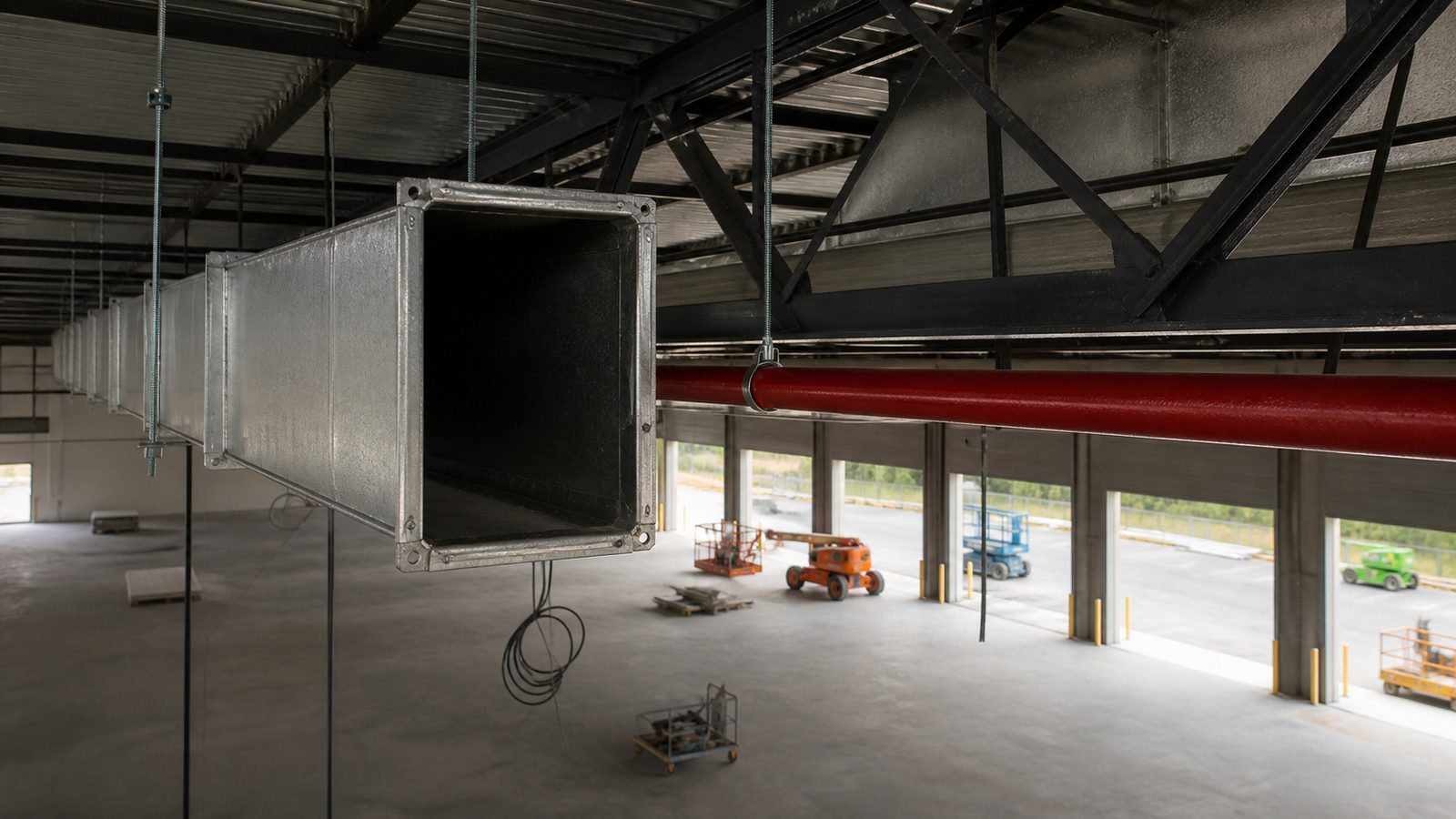
Examples of RFIs That Stopped Work
Structural vs. architectural conflict — ceilings: A framing crew discovers during installation that the structural beam depth at a corridor intersection doesn't leave enough room for the finished ceiling height the architect specified. The GC issues an RFI. Until the response arrives — which beam or which ceiling changes — the framing crew can't close that section. If the MEP rough-in is waiting on framing, and drywall is waiting on MEP rough-in, one unanswered RFI cascades into a two-week delay for three trades.
Specification conflict — drywall type: Drywall is in the field, panels staged, crew ready to hang. The GC notices the specification calls for Type X (fire-rated) but the drawing notes say Type C (a combined fire-and-moisture-resistant board). They're different products. The GC can't order and hang the wrong product and expect it to pass inspection. RFI issued. Until the answer arrives, no drywall goes up in those rooms.
Civil conflict — existing underground utilities: During excavation for a foundation, the crew hits an unmarked utility not shown on the civil drawings. Work stops immediately. The GC issues an RFI to the civil engineer and owner: what is this utility, who owns it, does it need to be relocated, and who pays for the relocation? Until those answers arrive, that section of the foundation can't proceed.
In each case, the RFI is legitimate. The schedule impact is real. And the speed of the response directly determines how long work is stopped.
What a Healthy RFI Log Looks Like
On a healthy project, RFIs move fast:
- Opened quickly: the GC identifies ambiguities early — during preconstruction and early construction — before the affected work is scheduled
- Tracked actively: every open RFI shows who is responsible for the response and when the response is due
- Closed promptly: the average response time should be measurable; anything consistently above 10 days is a problem
- Reported transparently: the owner sees the RFI log in regular reporting, including any RFIs that are overdue
What to ask your GC about their RFI process:
- What is your average RFI response turnaround time on this project? (They should be tracking this.)
- Who on your team is responsible for following up on open RFIs before the contract period expires? (There should be a named person, not "we track it.")
- How many RFIs are currently open beyond their response due date? (Any significant number is an active schedule risk.)
- Are there any open RFIs affecting critical path work? (This is the question that matters most for schedule.)
RFI Response Times and Delay Claims
When design team response times consistently exceed the contract period, the GC has a basis for a delay claim against the owner. This is a legitimate construction law position: if the GC can't build because they're waiting for answers, and the answers are delayed beyond the contractually specified period, the GC's schedule extension claim is compensable.
This is why RFI tracking matters to the owner, not just to the GC. An owner who sees that the architect is taking 20 days to respond to RFIs on a 10-day contract period should address it — because the GC's delay claims are going to arrive at the owner's desk.
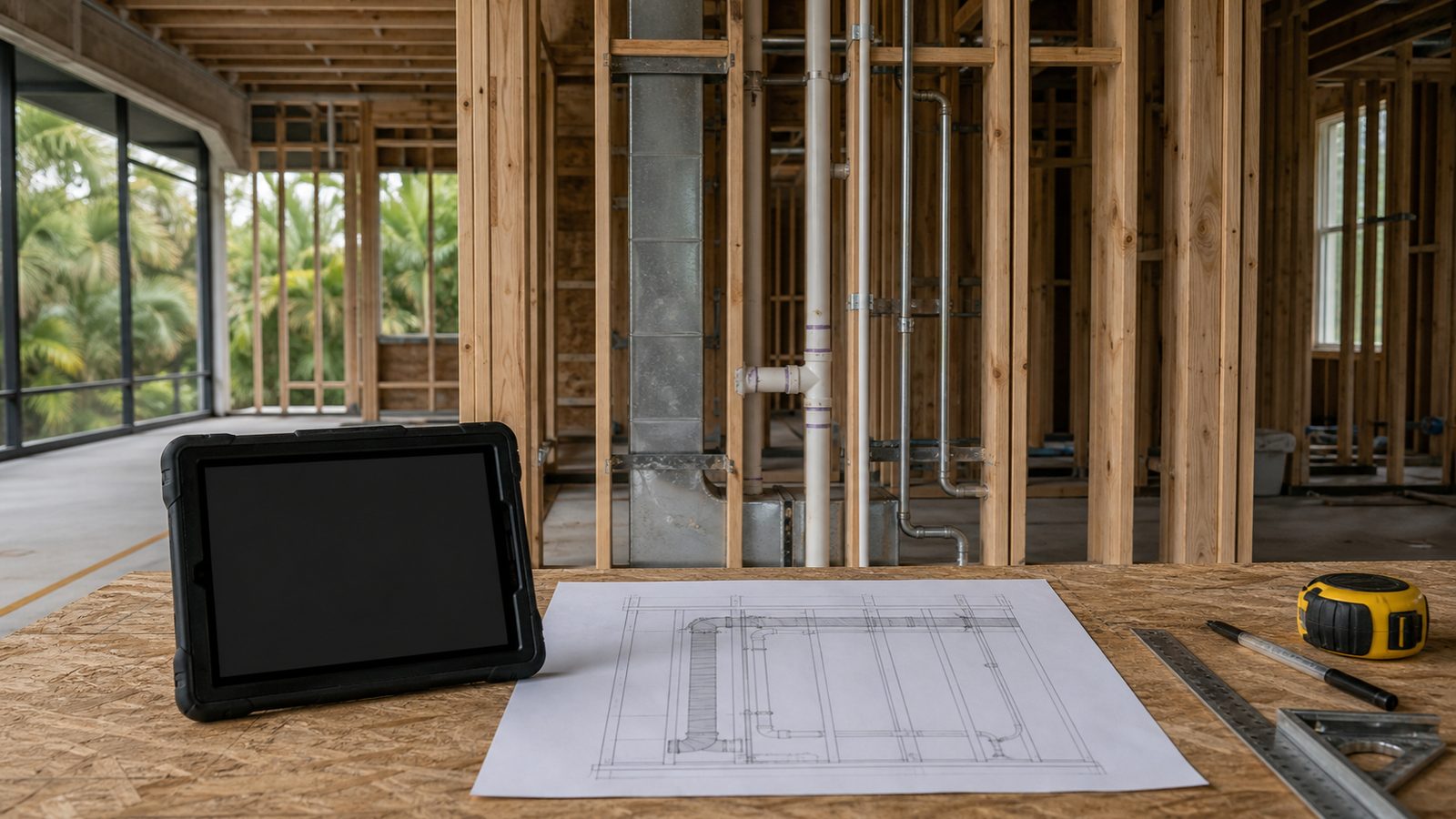
How JK Prestige Manages RFIs
On JK Prestige projects, every open RFI is tracked in the project management system with the issue date, the reviewer, the response due date, and the current status. The owner sees the full RFI log in real time through the project owner portal.
When an RFI approaches its response deadline without a response, JK's superintendent follows up directly with the architect and documents the follow-up in the project log. If a response is overdue and affects critical path work, JK notifies the owner in writing — not as a threat, but as a schedule alert that requires the owner's attention.
The JK Way covers how open RFIs, submittals, and schedule risks are reported in the weekly written owner update. The owner portal gives 24/7 access to live RFI and submittal logs — not a monthly meeting.
For ground-up construction and renovation projects in Jacksonville and beyond, a JK principal answers directly — (904) 944-0278.
No call center. No coordinator. A JK principal reviews every inquiry and replies with a real number, not a range, not a follow-up form.
Request Free Estimate →