Most homeowners who gut-renovate their Jacksonville home do not move out. Moving into temporary housing for 4 to 6 months is expensive, disruptive, and not always feasible. So the renovation happens around them. When the sequencing is planned correctly, an occupied renovation is manageable. When it is not planned, the result is a construction site that encroaches on livable space a little more every week until the whole house feels like a job site.
JK Prestige has managed occupied renovations on homes in Riverside, San Marco, Avondale, Springfield, and throughout the Jacksonville metro. Here is how the sequencing works.
The Core Principle: Rooms Come Online, Not Off-Line
The most common sequencing mistake in occupied renovation is working room-by-room without a recovery path. Demolish the kitchen, live without a kitchen for 12 weeks while it is rebuilt, then demo the primary bath. The homeowner is without a kitchen for 12 weeks.
Better sequencing: identify which spaces are truly non-negotiable for daily life (a kitchen or kitchenette, at least one full bathroom, sleeping area) and ensure those spaces are always available, even if that means a temporary setup.
For a kitchen renovation, JK sets up a temporary kitchen: a folding table, microwave, coffee maker, and a reach-in refrigerator in the dining room or garage. This costs $200 in equipment rental and eliminates the "no kitchen" emergency. The homeowner adapts to a temporary setup far more easily than they adapt to no setup at all.
Phase-Based Sequencing for a Whole-House Renovation
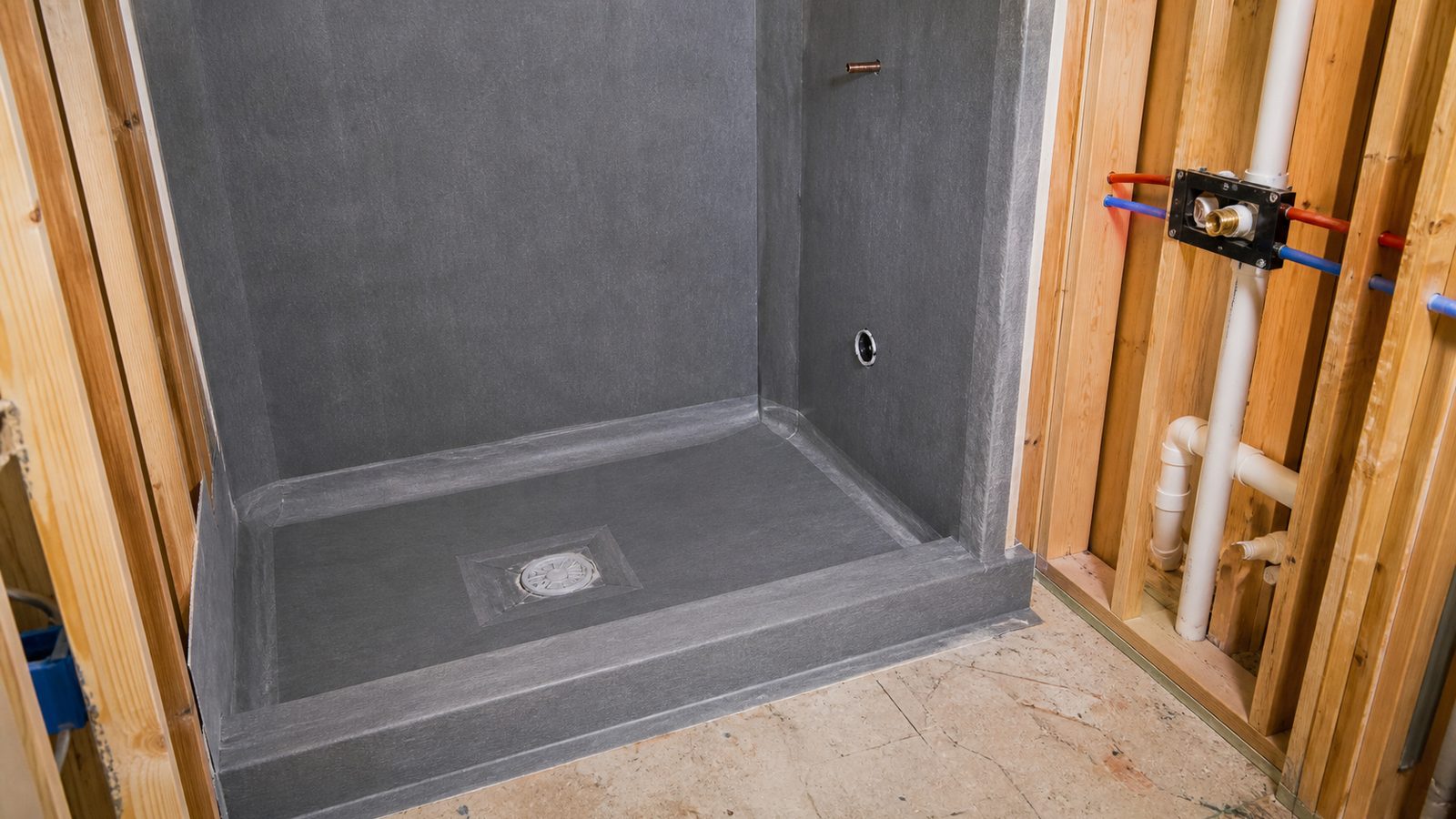
A whole-house renovation on an occupied home is phased by functional zone. JK maps the renovation into phases that maintain at least one functioning version of each critical daily-life system throughout the project.
Phase 1: Exterior and Systems
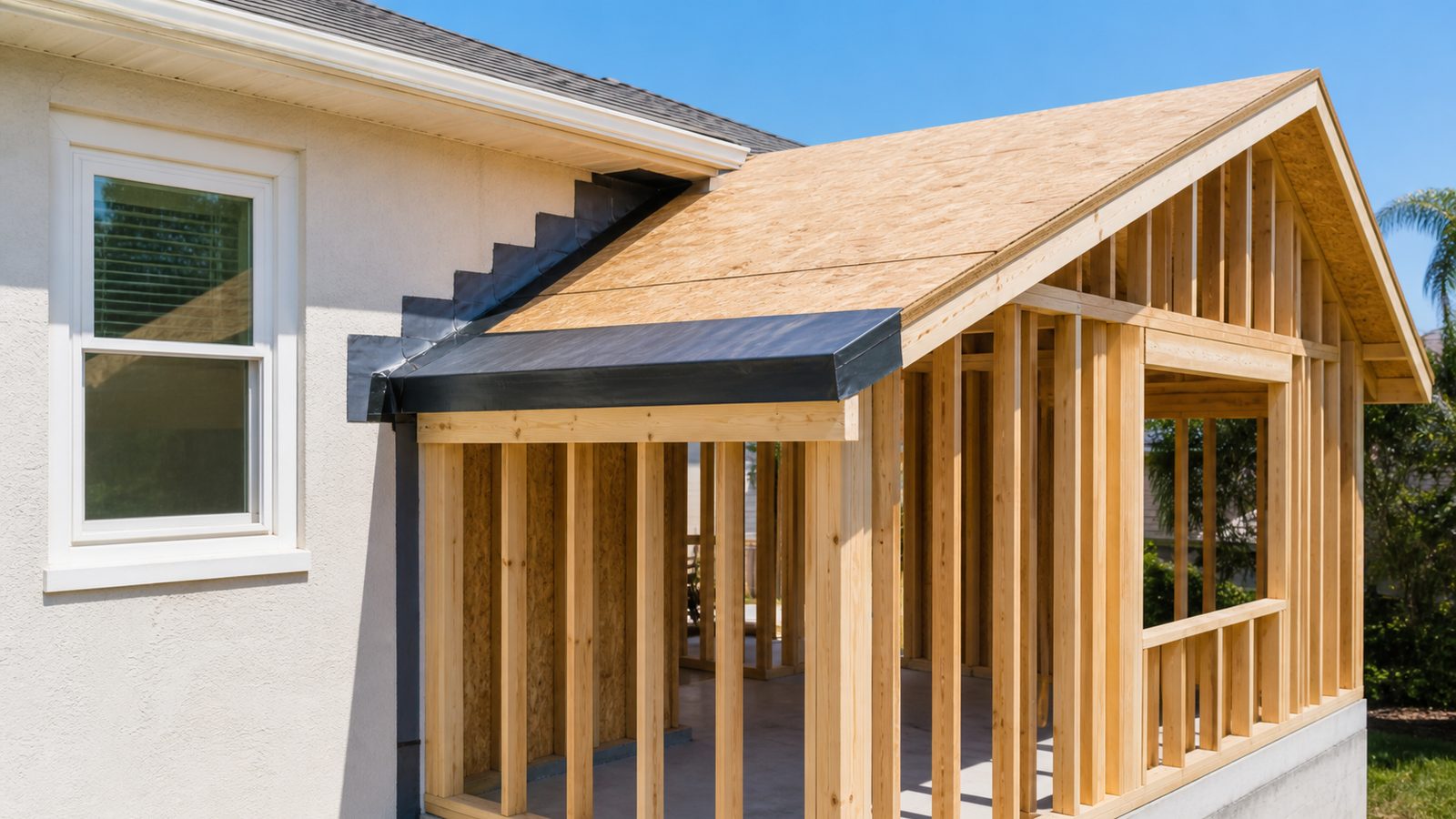
Start with work that does not disturb daily interior life: roof replacement, window replacement, exterior painting, HVAC replacement (staged so one unit stays operational), and panel upgrade. These trades run their course without displacing the family from any room.
Exterior work also eliminates weather vulnerability before interior work begins. A new roof before interior renovation means no rain event can set back the project.
Phase 2: Non-Primary Spaces
Bedrooms, guest bathrooms, laundry, and secondary living spaces are renovated in sequence while the family camps in the primary spaces. Each room is completed to a fully livable state before moving to the next.
This phase typically runs 4 to 8 weeks depending on scope.
Phase 3: Kitchen
The kitchen is often the most disruptive renovation in an occupied home. Cabinet lead times (8 to 16 weeks for custom, 3 to 6 weeks for semi-custom), plumbing rough-in, and the required sequential trades (framing, electrical, plumbing, drywall, cabinet install, countertop template, countertop install, backsplash) mean the kitchen is out of commission for 6 to 12 weeks in a full gut.
JK's approach: temporary kitchen setup from day one of kitchen demo. Full kitchen plumbing rough-in inspection scheduled within 48 hours of completion. Cabinet delivery date confirmed before demo begins — if it is not confirmed, demo does not start.
The single most common cause of a kitchen renovation running 16 weeks instead of 10 is demo starting before cabinet delivery is confirmed. JK does not do that.
Phase 4: Primary Suite
Primary bedroom and primary bath are renovated last. The family moves to a secondary bedroom and bathroom while the primary suite is under construction. By this phase, the rest of the house is complete and livable — the only active construction zone is the primary suite.
Dust Containment in Occupied Renovation
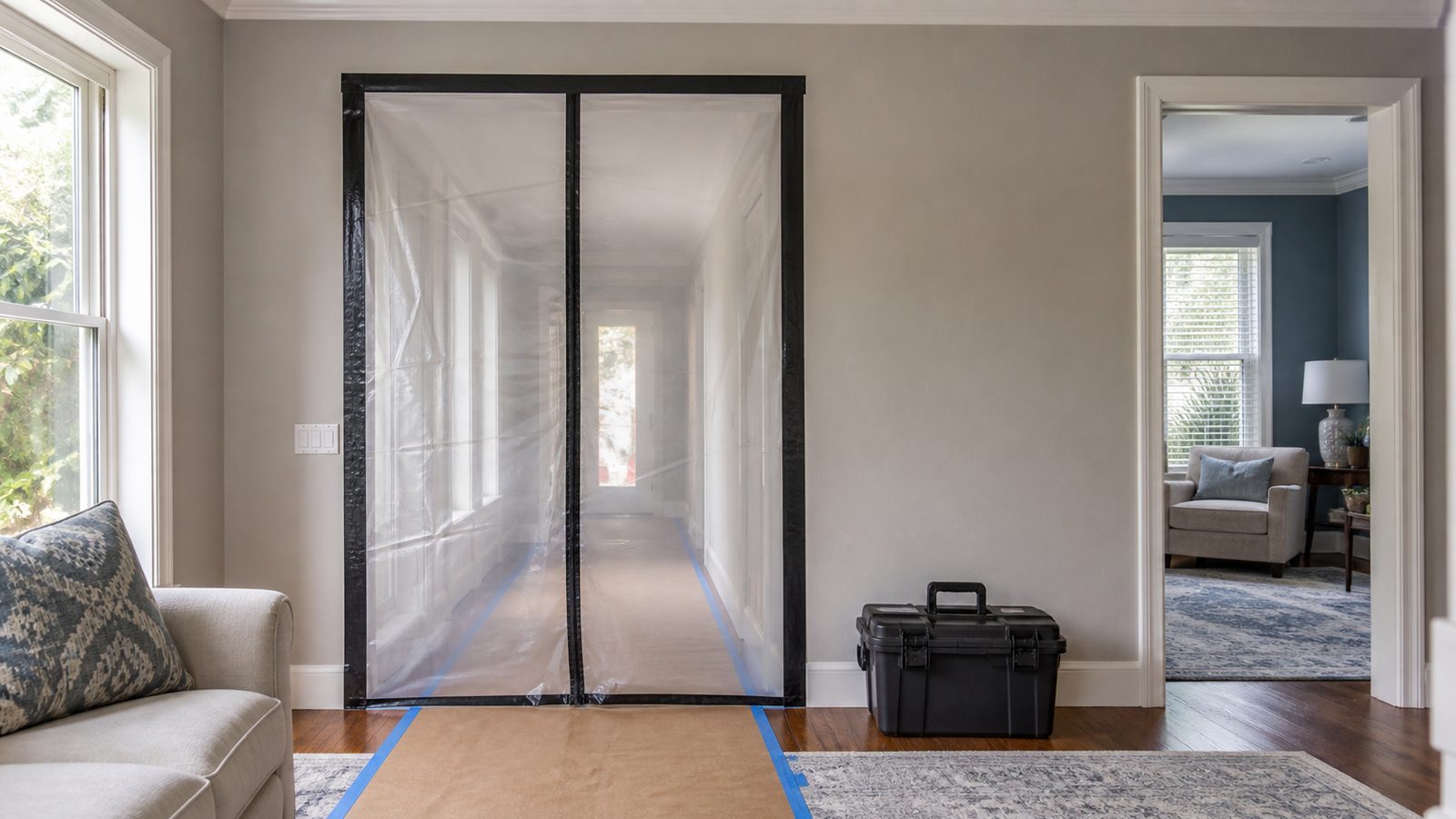
Dust contamination is the most consistent homeowner complaint during occupied renovation — not the noise, not the inconvenience, but the fine drywall and construction dust that settles on every surface in the house.
JK uses ZipWall barriers — floor-to-ceiling tensioned poles with 6-mil poly sheeting — to isolate each active construction zone from the occupied portion of the house. HVAC supply and return registers in the work zone are sealed with plastic sheeting and tape to prevent construction dust from entering the duct system and distributing through the house.
In Florida, HVAC system contamination during renovation is a real concern — fine construction dust pulled into the return air system deposits on the evaporator coil and can cause system performance degradation. We seal the registers before demo begins.
Noise and Schedule Management
Jacksonville residential contractors work within Duval County noise ordinance hours: generally 7 AM to 8 PM on weekdays and 8 AM to 7 PM on weekends. JK aligns our schedule to those windows. For homeowners with work-from-home setups, we can sequence noisier trades (framing, demolition, concrete saw) to specific half-days agreed upon in advance.
Weekly communication: JK provides a weekly schedule update to the homeowner every Friday — what was completed this week, what is planned next week, and any items that require a homeowner decision before work can proceed. No surprises over the weekend.
Permit Access During Occupied Renovation
Building inspectors will be on-site during the renovation. In Duval County, inspectors have the right of access to inspect permitted work. JK coordinates inspection scheduling and is present for all inspections — you do not need to be home, though you are welcome to be.
What Occupied Renovation Adds to Cost
Occupied renovation adds cost compared to an empty-house renovation in a few areas:
Slower pace in tight spaces. Moving materials through an occupied home requires more care than through a vacant one. Furniture must be protected or temporarily relocated. Hallways and stairs carry daily-life traffic while also carrying construction materials.
Dust mitigation. ZipWall barriers, register sealing, and daily cleanup at the construction zone perimeter add labor time.
Scheduling flexibility. Some trades need to adapt to homeowner schedule — JK builds schedule buffers for this rather than pretending the project will run on the same clock as a vacant-house renovation.
Total cost premium for an occupied renovation vs. an identical vacant-house renovation: approximately 8 to 12 percent on JK's projects. This is the cost of doing it correctly — not an arbitrary add-on.
No call center. No coordinator. A JK principal reviews every inquiry and replies with a real number, not a range, not a follow-up form.
Request Free Estimate →