Every construction contract includes a warranty. Most owners don't read it carefully until something goes wrong — at which point they discover it doesn't cover what they thought it did, or the GC's warranty response process is a phone tree that leads nowhere.
Understanding what a year-one workmanship warranty actually covers — and what it specifically excludes — before you sign the contract saves significant frustration after move-in.
This post defines workmanship warranty clearly, gives specific examples of what is and isn't covered, and explains what a functional warranty process looks like versus a warranty clause that exists only on paper.
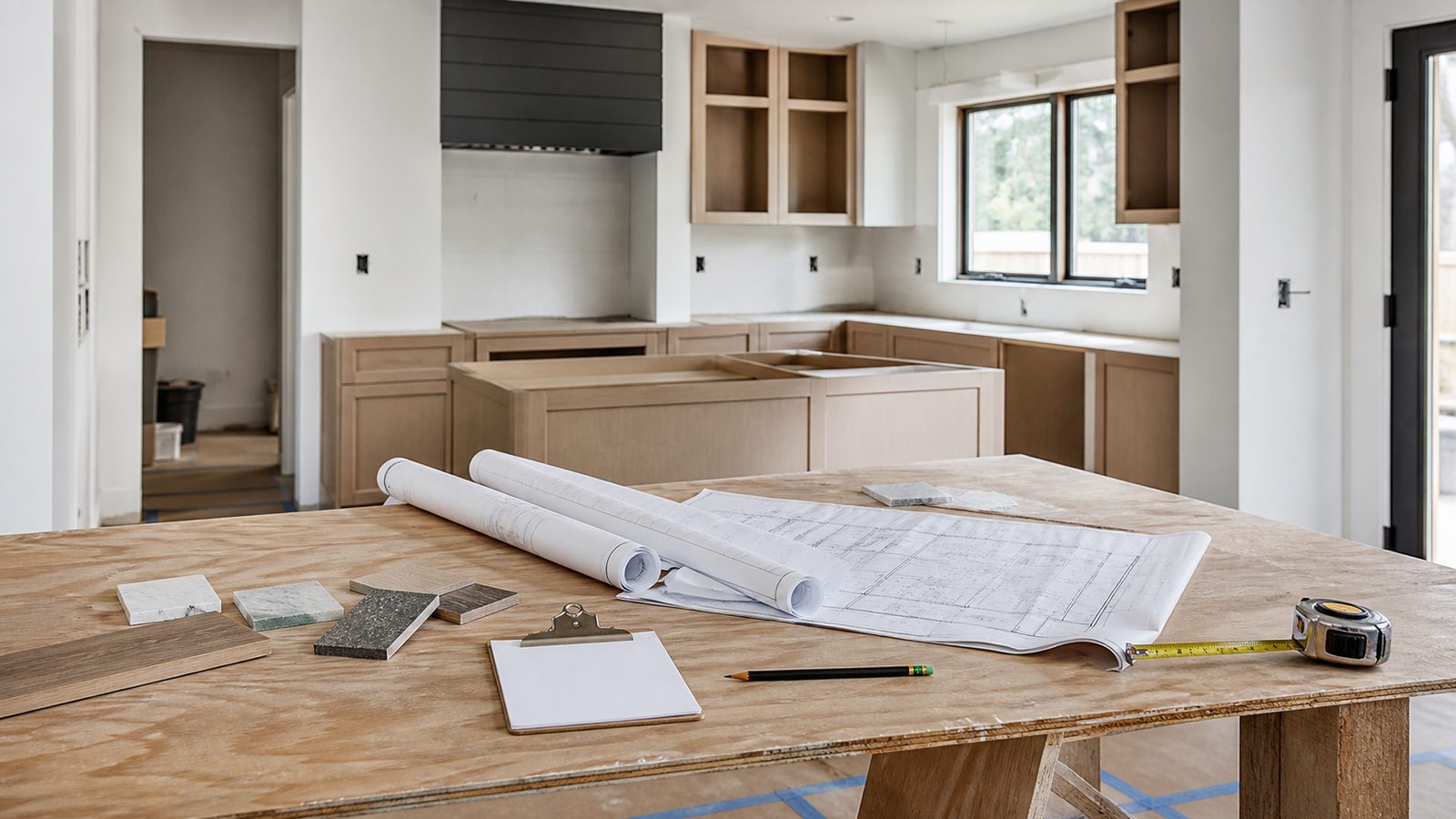
What "Workmanship Warranty" Means
A workmanship warranty (sometimes written as a "labor warranty" or "craftsman warranty") covers defects caused by how something was installed — not what was installed.
The GC and their crews are responsible for the quality of their labor. If a defect emerges after occupancy that is caused by improper installation, the workmanship warranty obligates the GC to correct it at no cost to the owner. The standard duration is one year from the certificate of occupancy (CO), though some GCs offer extended terms on specific systems.
The distinction between workmanship and materials is legally and practically significant. The GC controls the labor. The GC doesn't manufacture the materials. Those two categories of liability are therefore separated.
What a Workmanship Warranty Covers
Improper Installation of Any Trade
If the installation itself was wrong — regardless of which trade performed it — the workmanship warranty applies. Specific examples:
Framing: Settlement cracks in drywall caused by framing that wasn't properly dried or that wasn't adequately supported for the load it carries. Doors and windows that have shifted out of square because framing members moved after installation. Floors that creak or bounce because joist blocking was omitted or inadequately installed.
Drywall and finishes: Tape joints that bubble, crack, or pop after drying — indicating tape was applied to a wet surface, inadequate compound layers, or improper joint treatment. Paint failure on surfaces that weren't properly primed or prepped.
Roofing: Leaks at penetrations, valleys, or edges caused by improper flashing installation. A roof that leaks where a vent boot or pipe flashing was incorrectly set is a workmanship issue, not a material issue, even if the boot itself is not defective. Roofing nails placed outside the nailing strip, causing shingles to blow off in wind — workmanship.
Plumbing: Drains that don't drain at the correct slope because pipes weren't installed at the required pitch. Connections that leak because fittings were undertorqued or improperly soldered. Faucets that drip because packing was installed incorrectly.
Electrical: Outlets that don't function because connections weren't made properly. Breakers that trip immediately under normal load because the circuit was undersized relative to the final load (a design issue, but if it was installed contrary to the drawings, it's a workmanship issue).
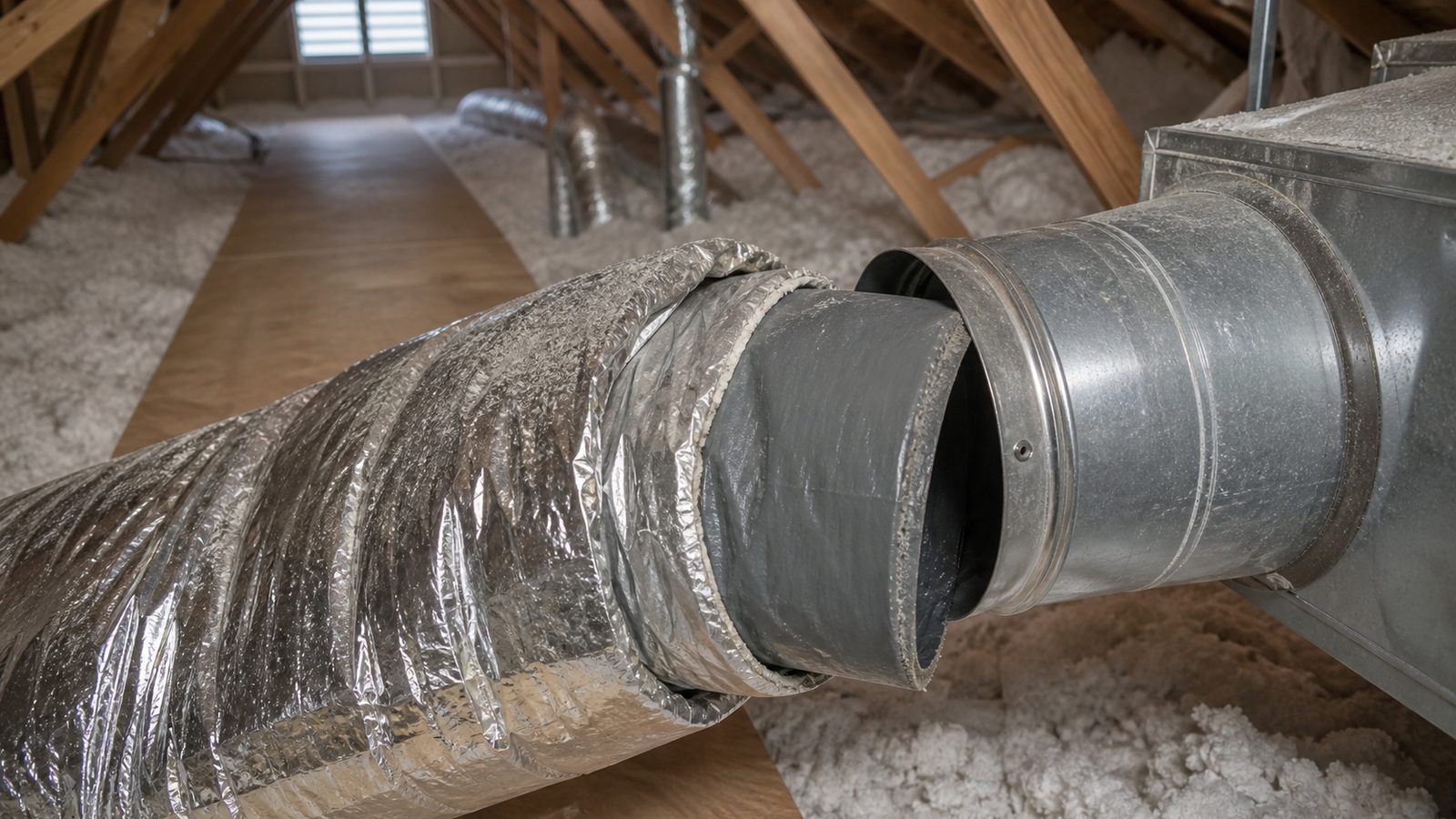
HVAC: Systems that don't deliver the designed CFM in specific rooms because ductwork was installed with too many bends, improperly sized, or with significant leakage at connections. Refrigerant leaks at fittings installed by the HVAC crew.
What a Workmanship Warranty Does Not Cover
Material Failures Under Normal Use
If a product fails within its rated service life under normal conditions, that is a manufacturer warranty claim — not a GC workmanship warranty claim. The GC's warranty response to a material failure is to assist the owner in filing the manufacturer claim, not to replace the product at GC expense.
Examples of material failures:
- A GAF shingle that delaminates within its rated life — GAF warranty, not GC workmanship
- An HVAC compressor that fails within its rated service life — manufacturer warranty
- A refrigerator or appliance failure — manufacturer warranty
- Carpet that wears prematurely under normal traffic — product warranty
Cosmetic Wear from Normal Use
Scratches, scuffs, stains, and surface wear that result from occupant use are not warranty items. A hardwood floor that was properly installed and shows scratches after two years of use is not a workmanship defect. A hardwood floor that cups or gaps within the first year because the subfloor moisture content wasn't properly verified before installation — that's workmanship.
Damage Caused by the Owner
If the owner drills into a wall and hits a pipe, causing a leak, that's owner-caused damage — not a warranty item. If the owner modifies a structural wall without a structural engineer's approval and the modification causes settling, the warranty doesn't cover the resulting damage.
Items Not in the Original Scope
The workmanship warranty covers work that was performed under the contract. If an owner adds a deck during year one using a different contractor and it leaks into the structure, the original GC's warranty doesn't extend to that work.
What a Functional Warranty Process Looks Like
The warranty clause is the easy part — almost every GC includes standard language. The warranty process is where the difference between GCs becomes obvious.
What bad looks like: The owner calls a general number. They're directed to an inbox or a warranty intake form. A project coordinator responds within a week to schedule a site visit. The site visit results in a determination that the item "needs further evaluation." Two weeks later, a subcontractor calls to schedule the repair. The repair is scheduled three weeks out. The total elapsed time from the owner's call to the repair: six weeks.
What good looks like: The owner calls the direct number in the contract. A principal answers. The principal schedules a site visit within 48 hours. If the defect is clear, a crew is dispatched within days. If evaluation is needed, the timeline is communicated explicitly. Total elapsed time from call to repair: one to two weeks for most items.
The mechanism that makes the second scenario possible is principal-led warranty response — the person who managed the project owns the warranty, not a warranty coordinator who never touched the project.
JK Prestige Year-One Warranty
At JK Prestige Constructor, the one-year workmanship warranty begins at the certificate of occupancy. The warranty point of contact is the named principal who signed the contract — not a call center, not a warranty department, not a service coordinator.
Our crews self-perform framing, concrete, drywall, finish carpentry, and roofing. On warranty calls involving those trades, there is no subcontractor to coordinate — the JK crew returns. The 48-hour response commitment applies from the first day of occupancy through the last day of the warranty period.
This structure is documented in The JK Way. The warranty isn't a separate service tier — it's the final phase of the same accountability model that runs from first estimate through project closeout.
For custom homes, see how we handle the post-occupancy period on our custom homes page. For commercial and industrial projects, the same principal-direct warranty model applies regardless of project type.
Contact JK Prestige Constructor to discuss an upcoming project and understand exactly what warranty coverage looks like for your project type. Call (904) 944-0278. A principal answers.
No call center. No coordinator. A JK principal reviews every inquiry and replies with a real number, not a range, not a follow-up form.
Request Free Estimate →